

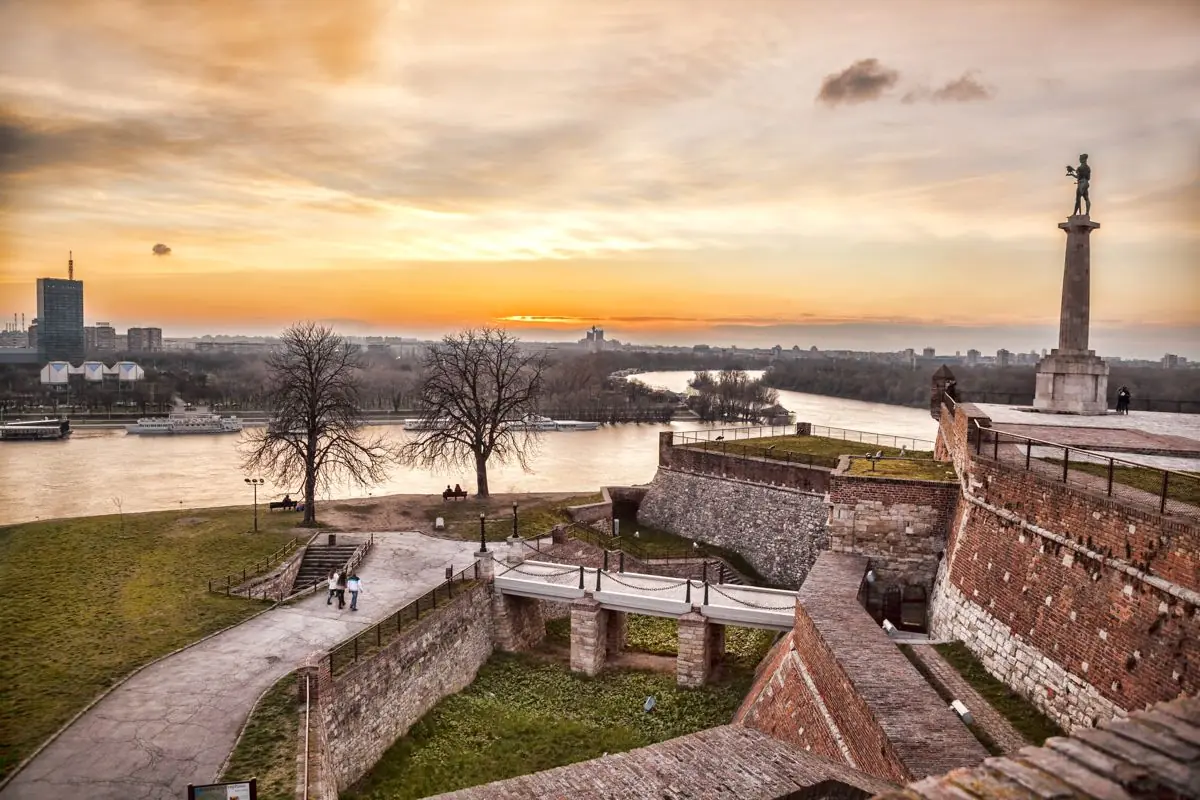
A Short History of the Balkans
How the Balkans became what they are, in one readable story.
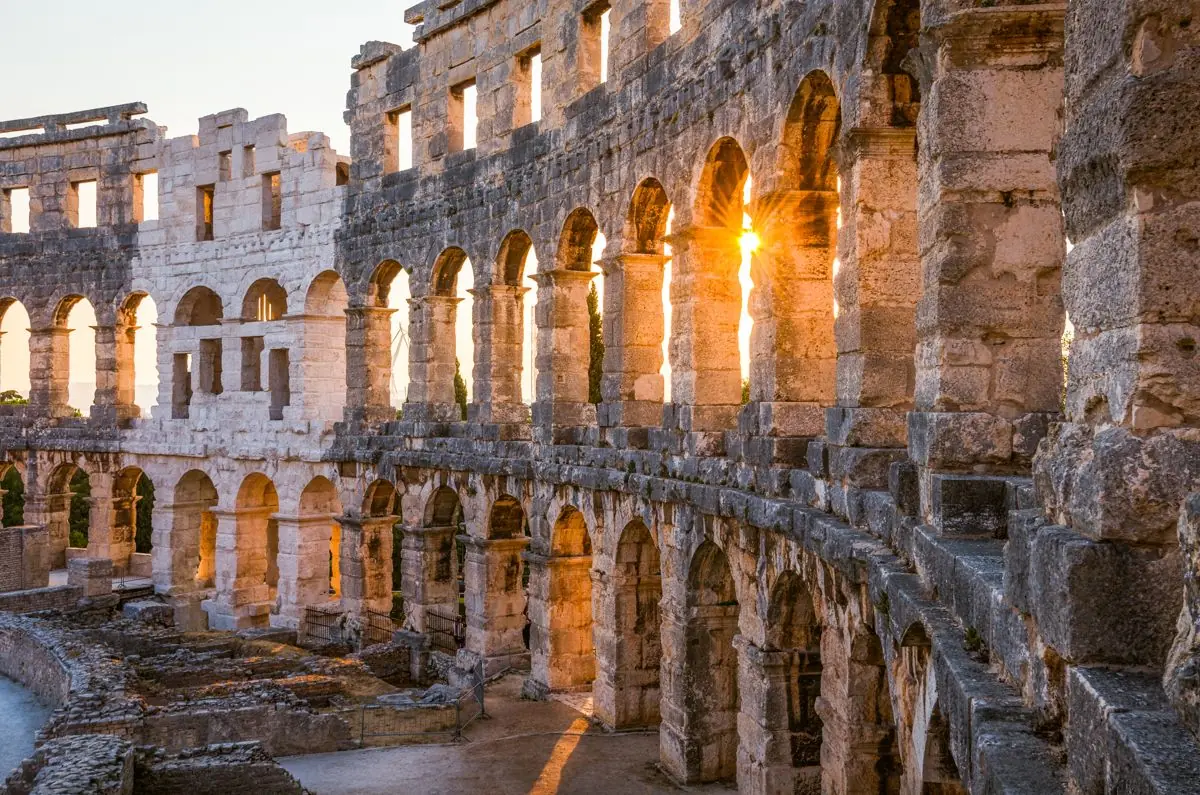
Roman Heritage in the Balkans: Where to See It
Where to see Roman palaces, theaters and towns that are still lived in.
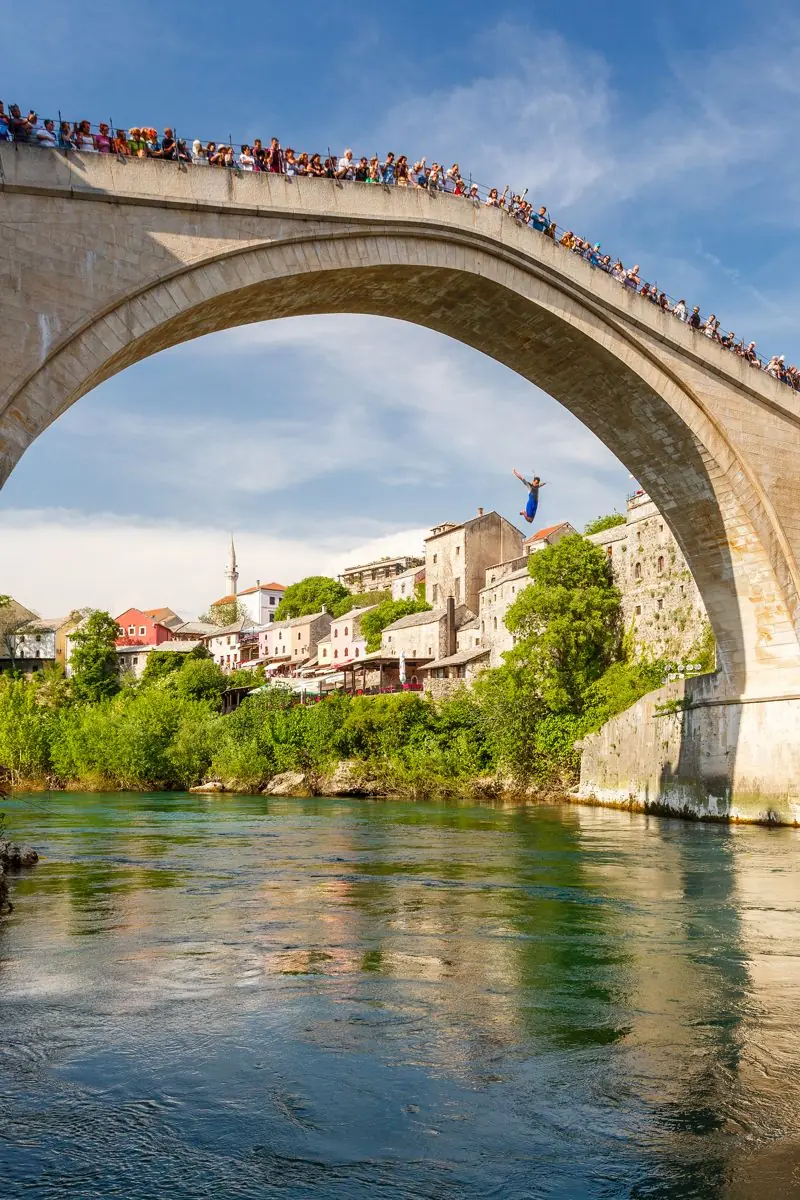
Ottoman Heritage in the Balkans: Bridges, Bazaars and Mosques
Which bridges, bazaars and mosques show four centuries of Ottoman rule.
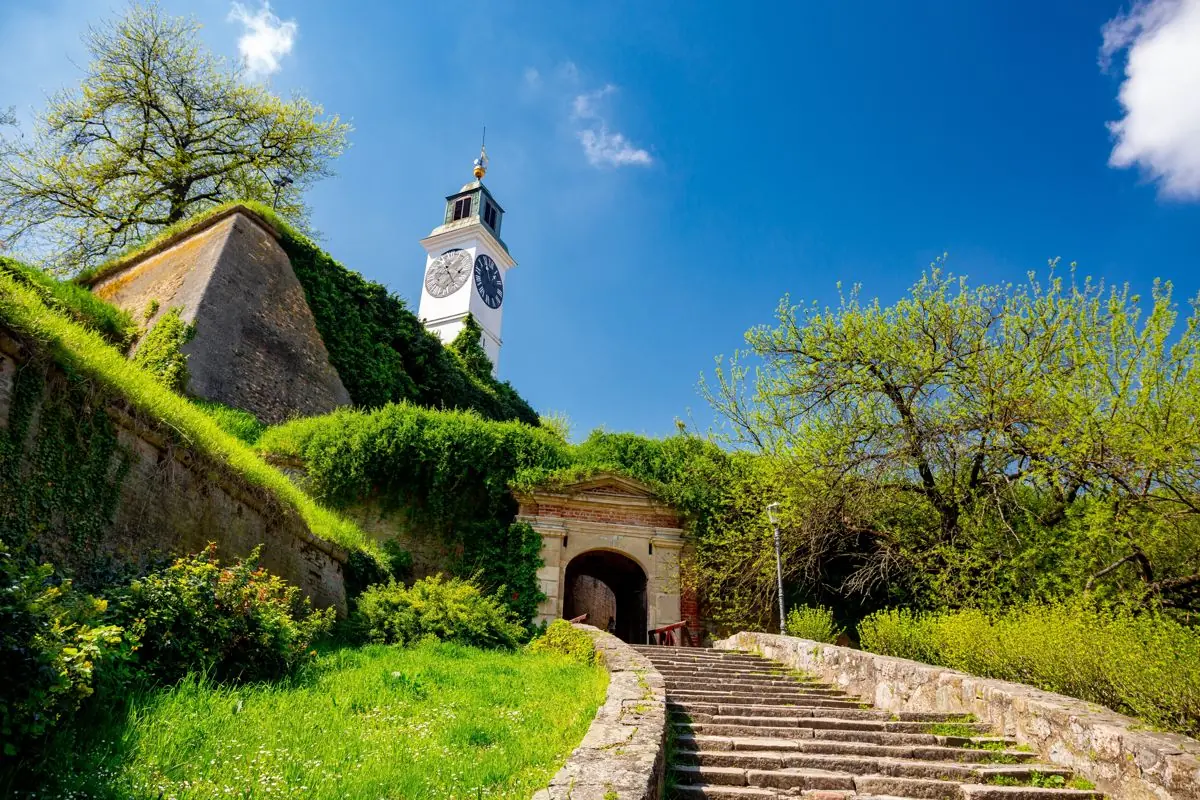
Austro-Hungarian Heritage in the Balkans
Where the Habsburgs left Vienna in miniature, from Novi Sad to Ljubljana.
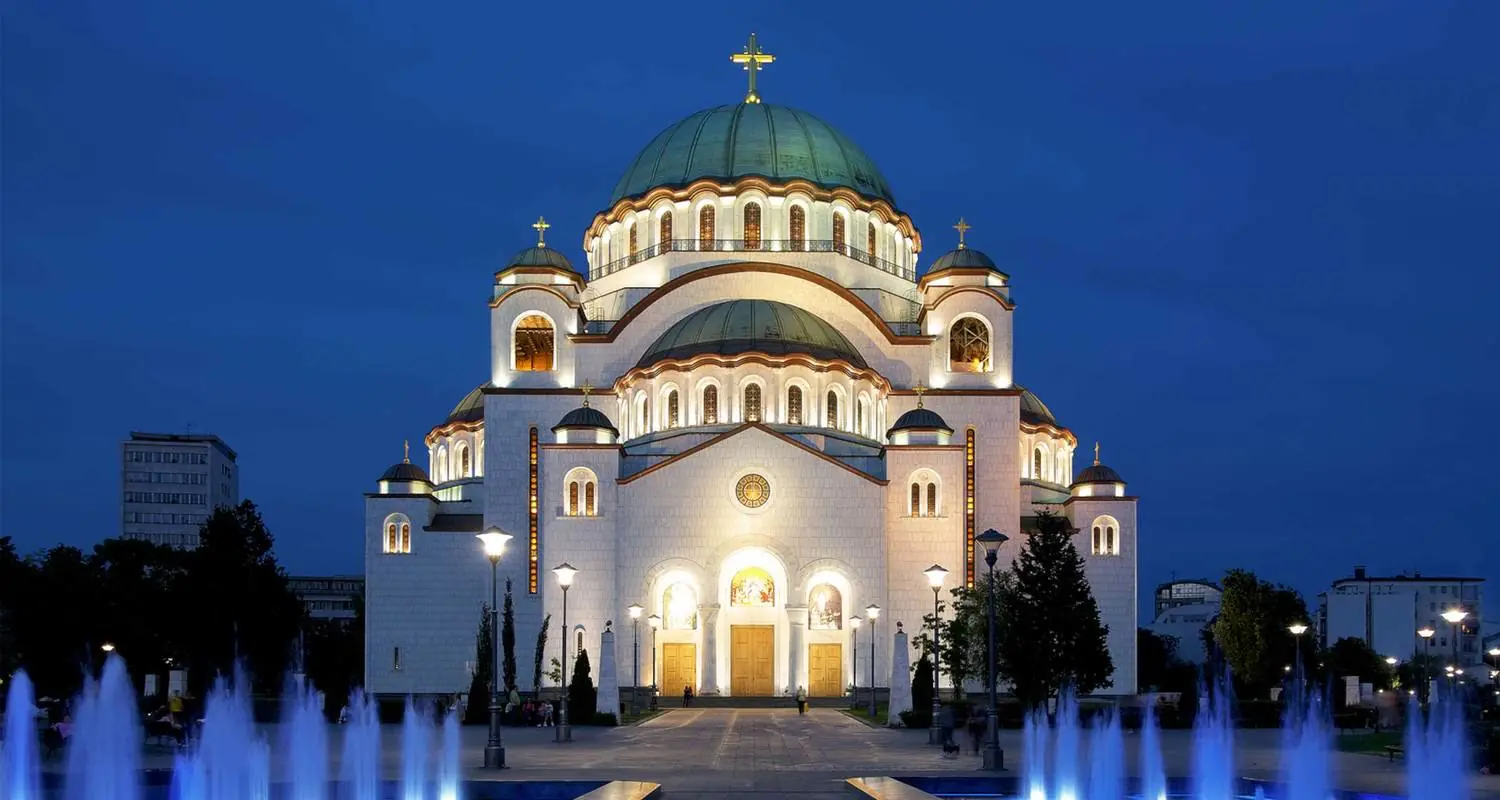
Yugoslavia: What It Was and What Remains
What the country was, why it broke up, and what remains of it.
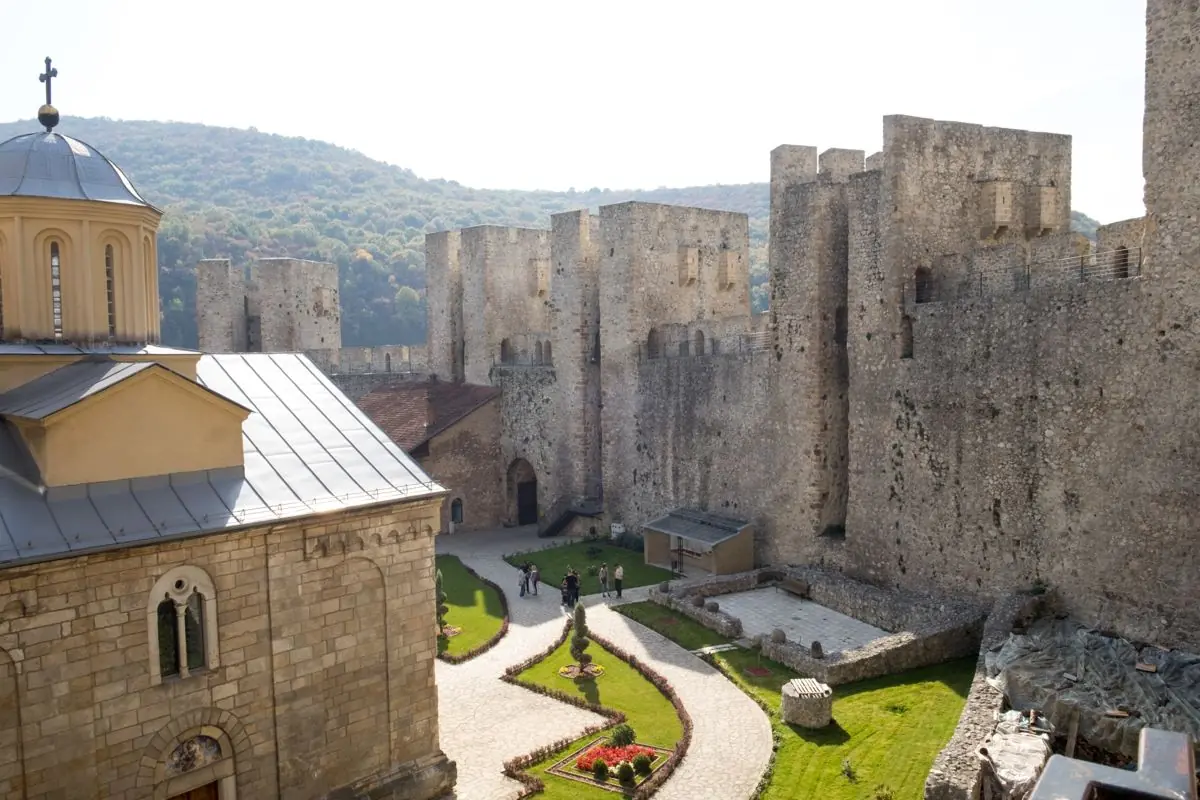
Orthodox Monasteries in the Balkans: Which to Visit
Which monasteries are worth the detour, and how to visit respectfully.
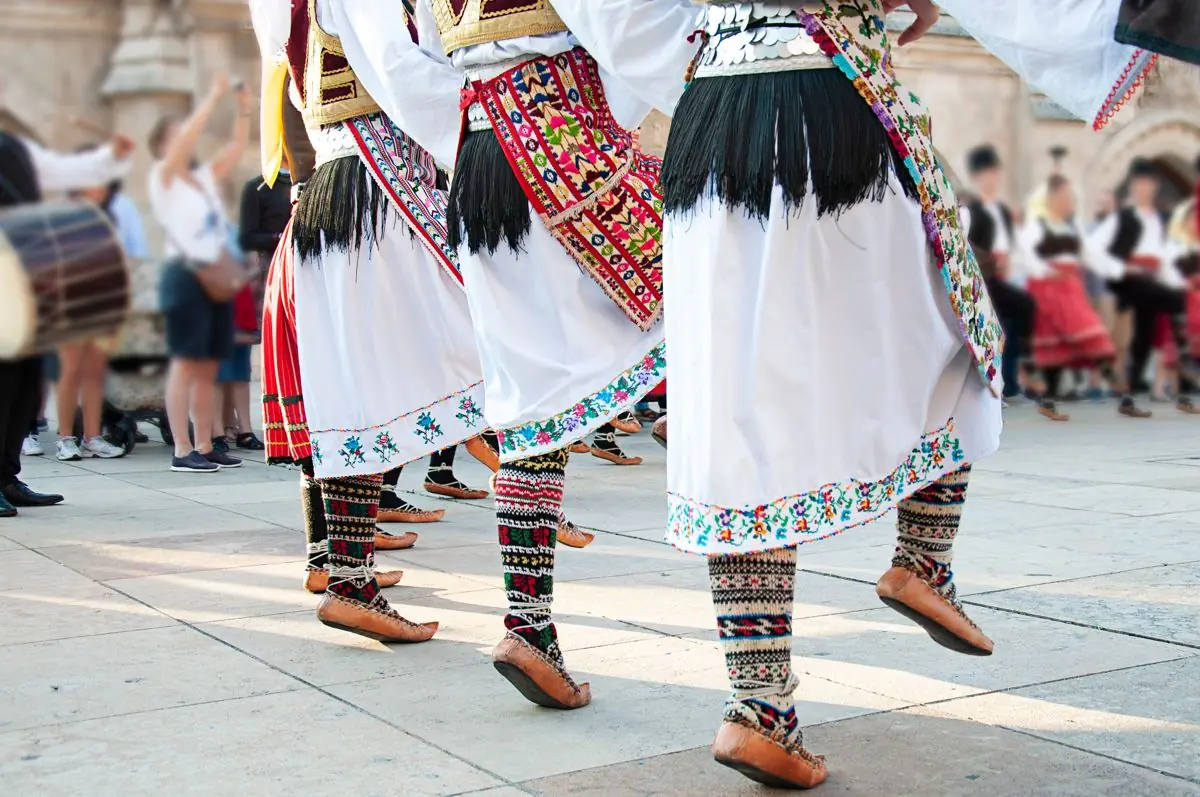
Balkan Traditions and Festivals: What They Mean
The customs that still shape the year, from slava to Sinjska alka.
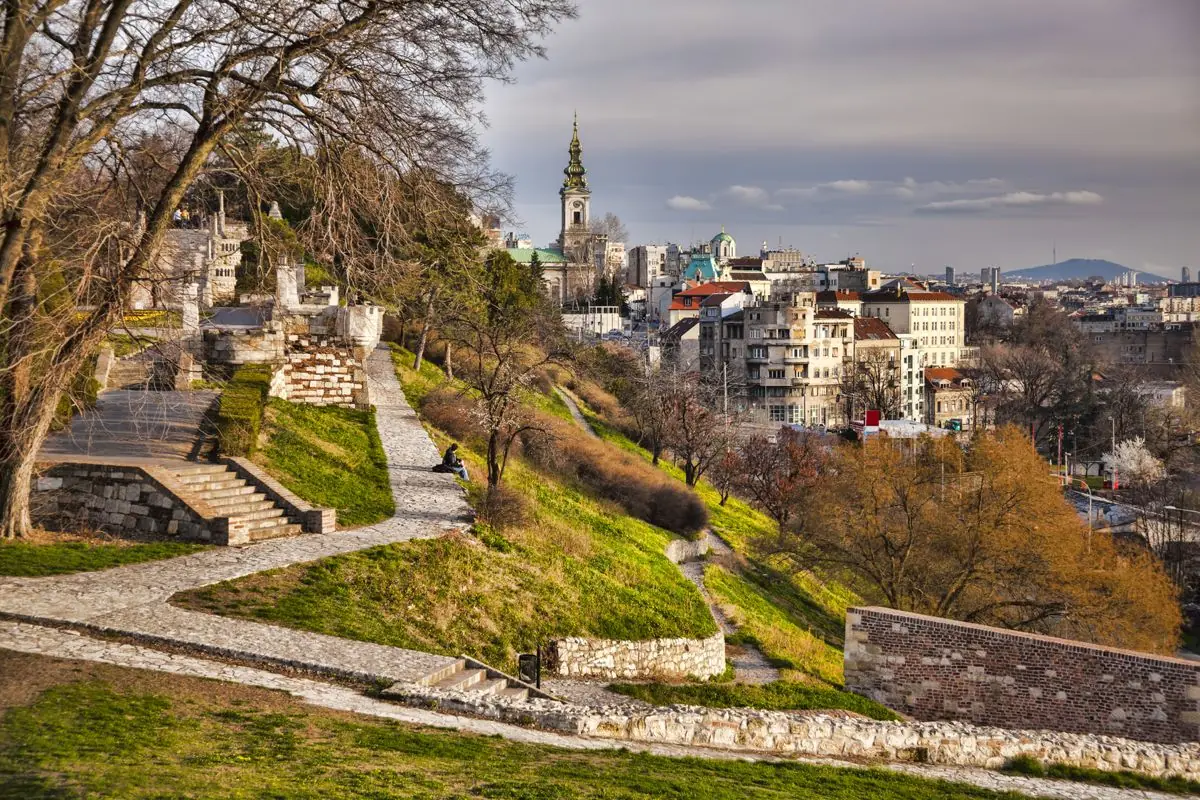
Balkan Architecture: How to Read a Balkan Town
How to read a Balkan town, from Roman stone to Yugoslav concrete.
What are the key dates in Balkan history?
| When | What happened |
|---|---|
| 1st century BC to 5th century AD | Roman rule; emperors such as Diocletian and Constantine are born in the region |
| 6th–7th centuries | Slavs settle the peninsula; the Byzantine Empire rules much of it |
| 9th–14th centuries | Medieval kingdoms of Croatia, Serbia, Bosnia and Bulgaria; Orthodox monasteries are built |
| 1358–1808 | The Republic of Ragusa (Dubrovnik) trades independently on the Adriatic |
| 14th–15th centuries | The Ottoman Empire conquers most of the Balkans |
| 16th–19th centuries | The Habsburgs rule the north: Slovenia, much of Croatia, Vojvodina, Transylvania |
| 1804–1878 | National uprisings; Serbia, Montenegro and Romania win full independence in 1878 |
| 1914 | The assassination in Sarajevo starts World War I |
| 1918–1991 | Yugoslavia, first as a kingdom, then as Tito’s socialist federation |
| 1991–today | Yugoslavia breaks up; new states form; four countries we cover join the EU |
Explore by topic
How do we tell this history on our journeys?
Through local guides who grew up with it. History in the Balkans is personal: the grandparents of the people you meet lived through much of the 20th century. Our guides explain it plainly, answer questions openly, and connect it to what you see, from a Roman palace in Split to a fresco in a medieval monastery.
FAQ
Why is Balkan history so complicated?
Because so many empires, faiths and peoples met here, and borders moved many times. The places themselves make it easier to understand.
Is it all right to ask locals about the wars of the 1990s?
Yes, with tact. Let people share what they want to; most are open, and guides are glad to explain.
Which country has the most history to see?
Every country has a lot; what differs is the mix. Croatia is strongest on Roman and Venetian history, Bosnia on Ottoman, Serbia on medieval Orthodox, Slovenia on Habsburg.
Do I need to read up before I go?
It helps but is not necessary; start with our History Overview.
Next step
Read the History Overview, or see our journeys led by local guides.