
Budapest
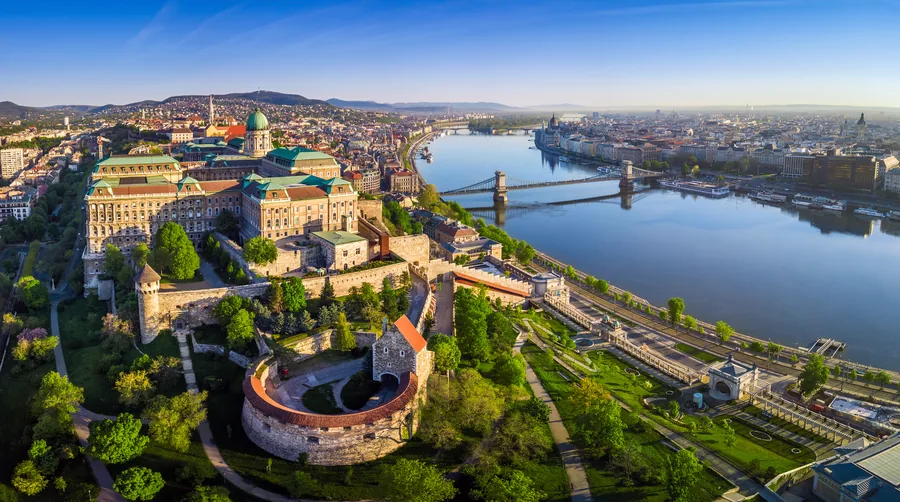
The Castle District and Fisherman’s Bastion in Buda, the Parliament and St. Stephen’s Basilica in Pest, the Great Synagogue, the thermal baths and an evening on the Danube.
Plan 2–3 daysHungary is where our Central European journeys begin. Budapest, spread across both banks of the Danube, combines grand 19th-century boulevards, thermal baths fed by natural hot springs and a café and music culture to rival Vienna’s. Most guests spend two or three days in Budapest at the start of a trip that continues south to Serbia and Croatia, or west to Vienna and Prague.
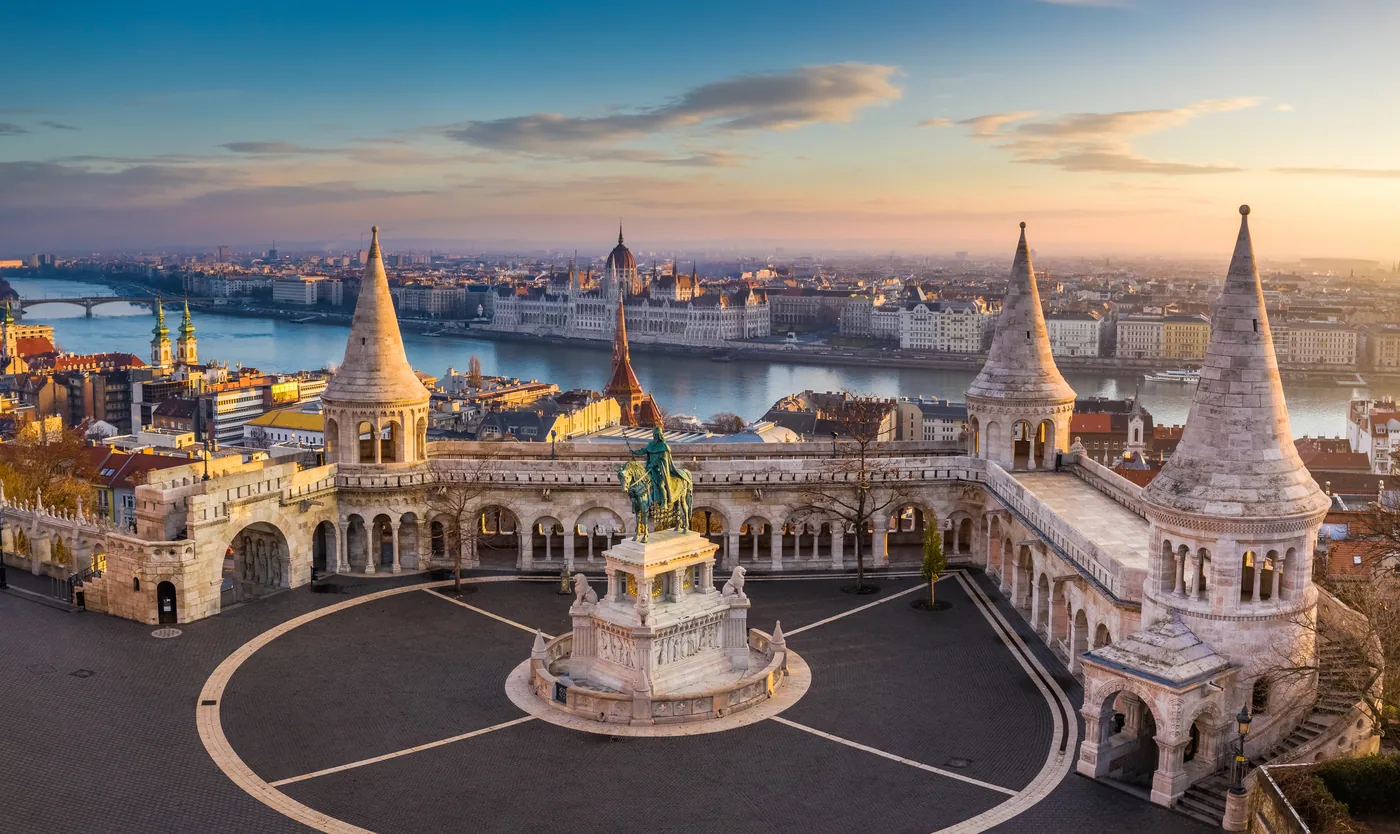
Budapest is one of the great capitals of Europe, and the most natural place to begin a journey south to the Balkans.
In a few days you can walk across the Chain Bridge to the Castle District, see the Parliament lit up from the river, soak in a thermal bath that has been in use for a century or more, and hear music in a city that produced Liszt and Bartók. Outside the capital, the Danube Bend, Lake Balaton and the wine country of Eger and Tokaj are each an easy drive away.
For our guests, Hungary is the gateway. Our journeys begin in Budapest and follow the Danube south to Novi Sad and Belgrade, or west to Vienna, Salzburg and Prague, so Hungary is where the story of the region starts: at the meeting point of Central Europe and the Balkans.
Four areas cover what most visitors come for. Drive times are from Budapest.
The Castle District and Fisherman’s Bastion in Buda, the Parliament and St. Stephen’s Basilica in Pest, the Great Synagogue, the thermal baths and an evening on the Danube.
Plan 2–3 daysThe artists’ town of Szentendre, the castle ruins high above Visegrád and Esztergom’s basilica, where the Danube turns south.
About 1 hour (25 miles)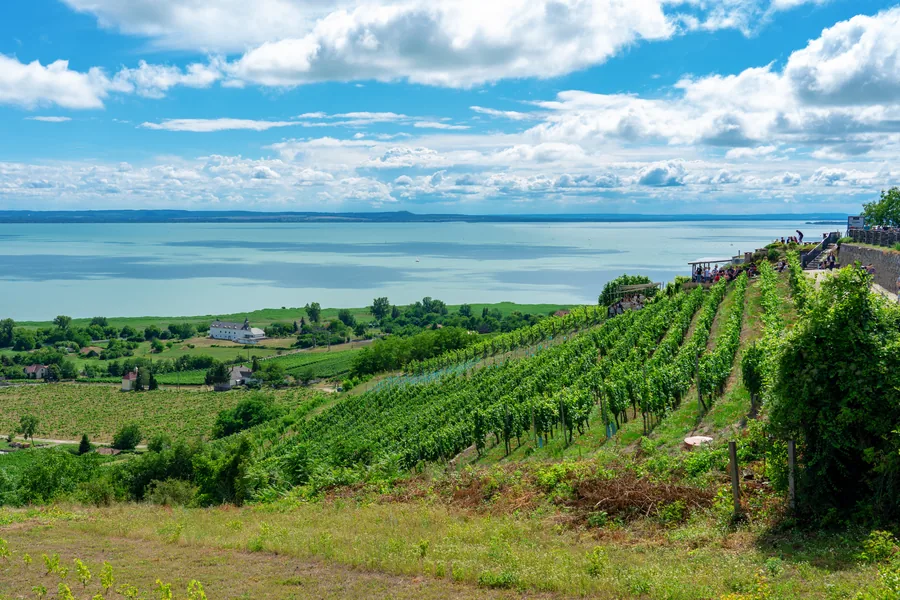
Central Europe’s largest lake, with the Tihany peninsula, its abbey and lavender fields, and wineries on the northern shore.
About 2 hours (80 miles)Eger’s castle, baroque center and “Bull’s Blood” red wine; further east, the UNESCO-listed Tokaj region, home of sweet Aszú wine.
About 1 hour 45 minutes to Eger (85 miles)April to June and September to October: mild days, fewer visitors and, in autumn, the grape harvest.
July and August are warm, with highs around 81°F (27°C) in Budapest; plan sightseeing for the morning and the baths for the afternoon.
November to March suits a city break: the thermal baths are at their best in cold weather, and from late November Budapest’s Christmas markets fill Vörösmarty Square and St. Stephen’s Basilica.
Two or three days cover Budapest; five to seven let you add the Danube Bend, Lake Balaton or the wine country. Most guests combine Hungary with:
South along the Danube to Novi Sad and Belgrade, then west to Ljubljana, Istria and down the Adriatic coast.
Balkan Extended: Budapest to Dubrovnik, 15 daysFrom €4,240The imperial capitals: Budapest, Vienna and Prague, with the lakes and mountains around Salzburg.
Imperial Cities and Alps (Budapest), 11 daysFrom €3,011From Belgrade north through Vojvodina to Budapest, then on to Vienna and Prague.
Imperial Cities and Alps (Belgrade), 13 daysFrom €3,258East across the Great Plain to Transylvania’s Saxon towns and fortified churches.
On private journeysPrice on requestFour small group journeys begin in or pass through Budapest, with every departure guaranteed, so you can book flights right away. Each can also run privately on your own dates.
 On sale
 On sale
The moments our guests remember most, already included in our journeys.
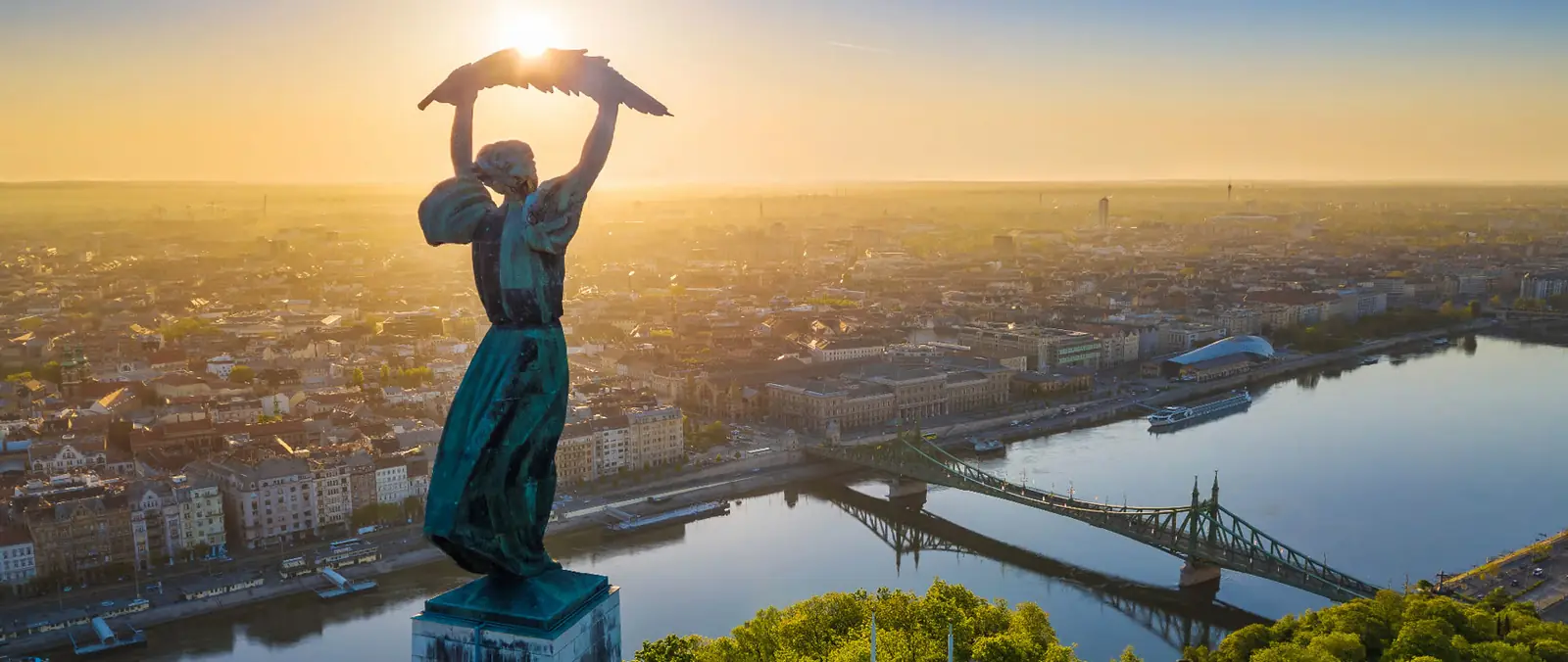
A one-hour cruise along the Danube with a glass of wine, past the illuminated Royal Palace, Parliament and bridges of Budapest.
On 4 journeys, including Balkan Extended: Budapest to Dubrovnik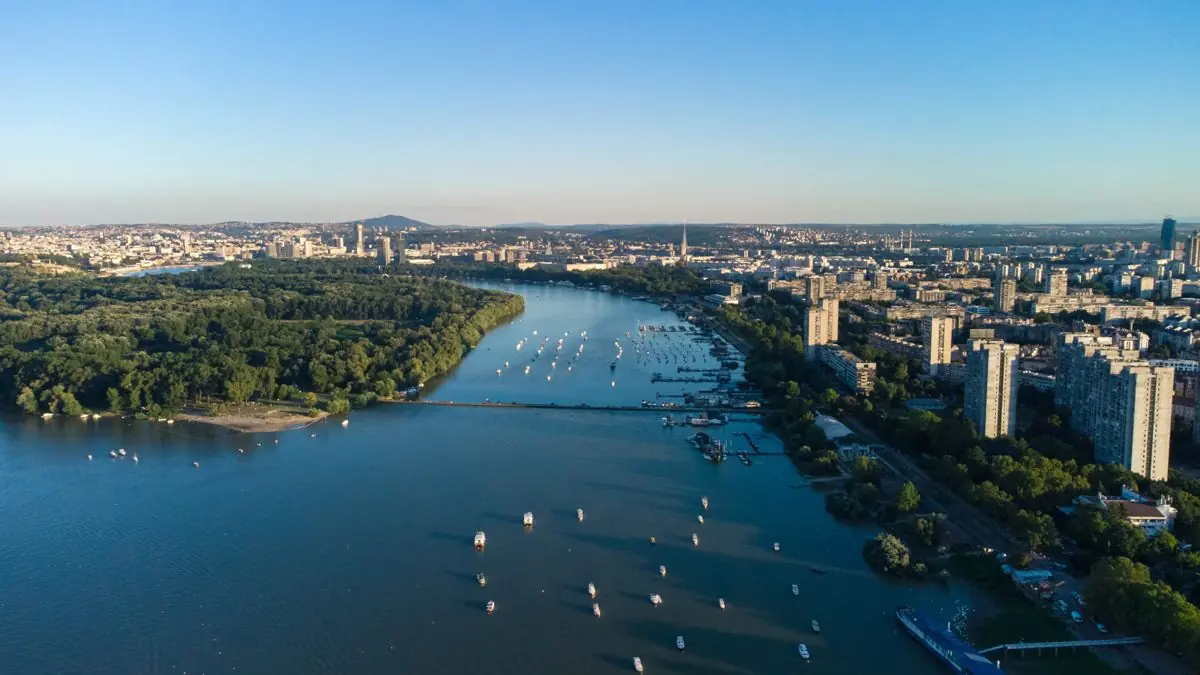
Which airport to fly into and out of, nonstop flights from the US, and why open-jaw tickets work best.
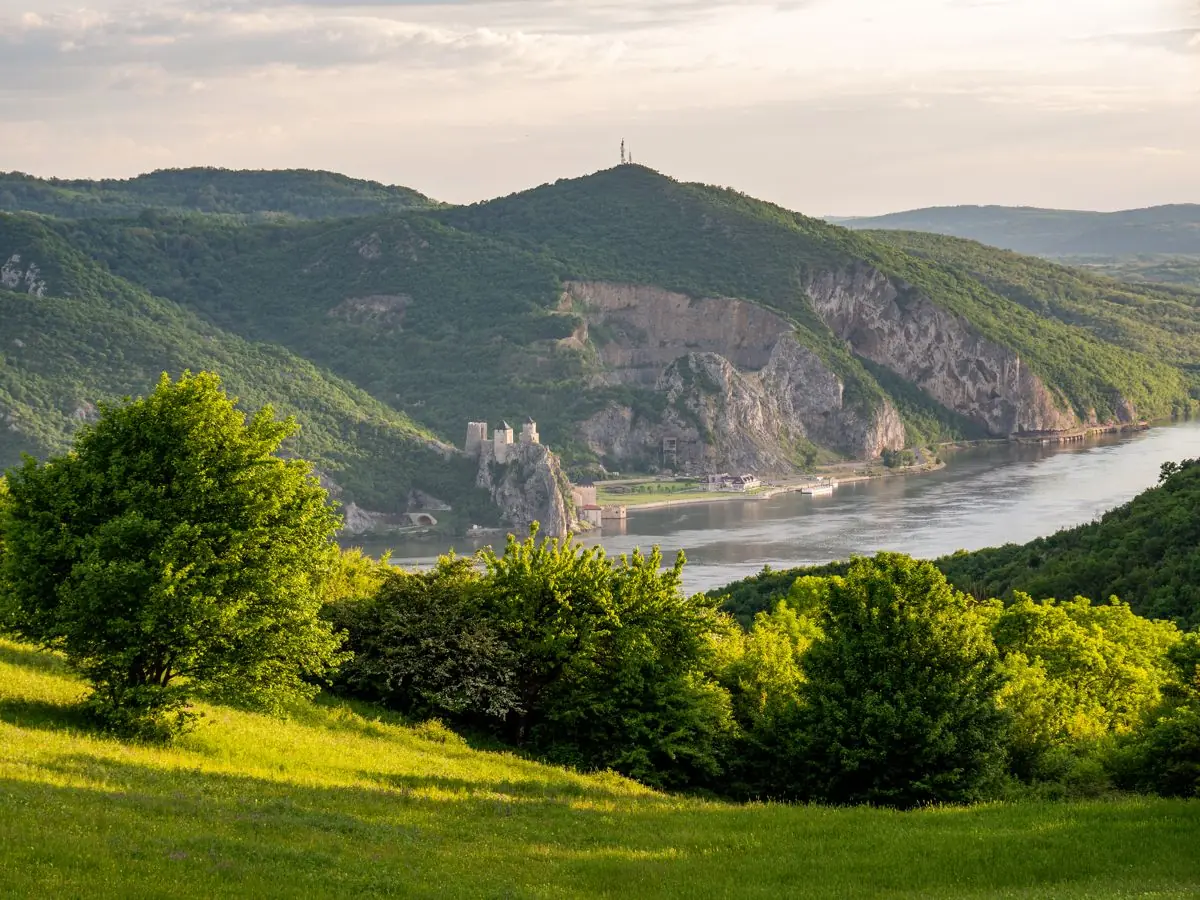
How the Danube through the Iron Gates fits into a land trip.
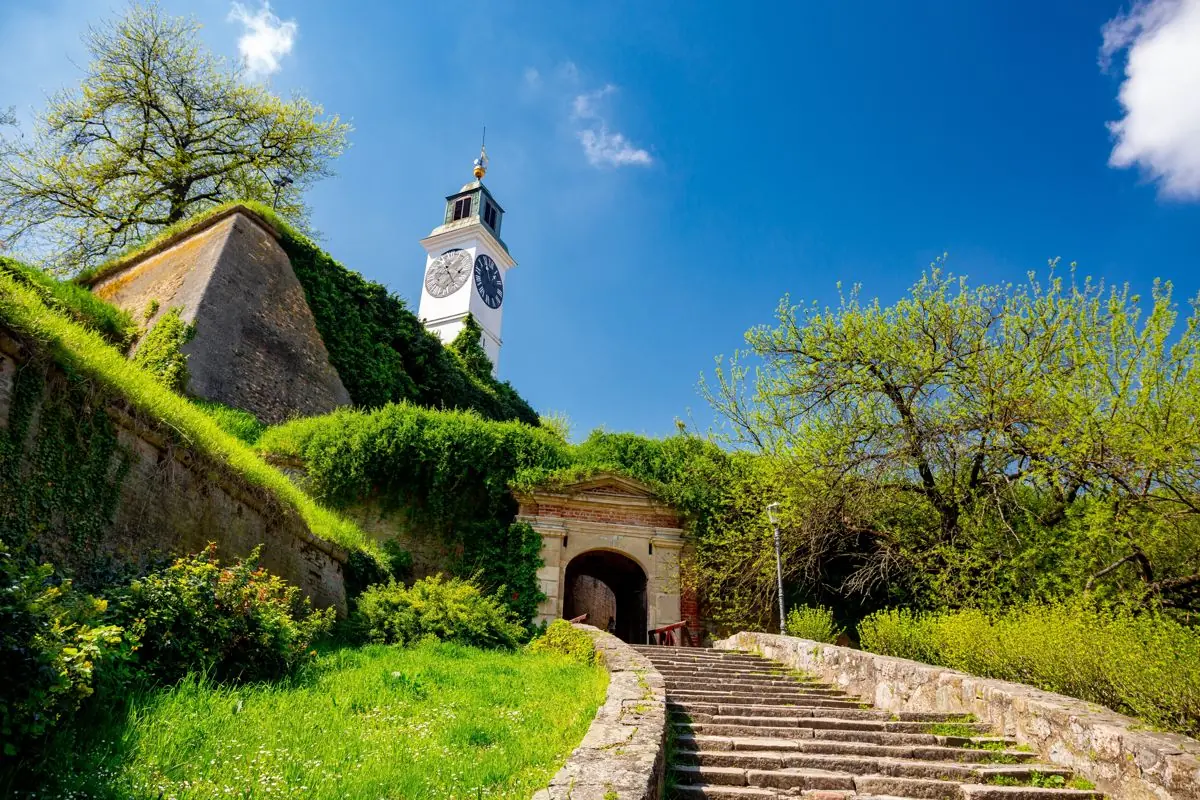
Where the Habsburgs left Vienna in miniature, from Novi Sad to Ljubljana.
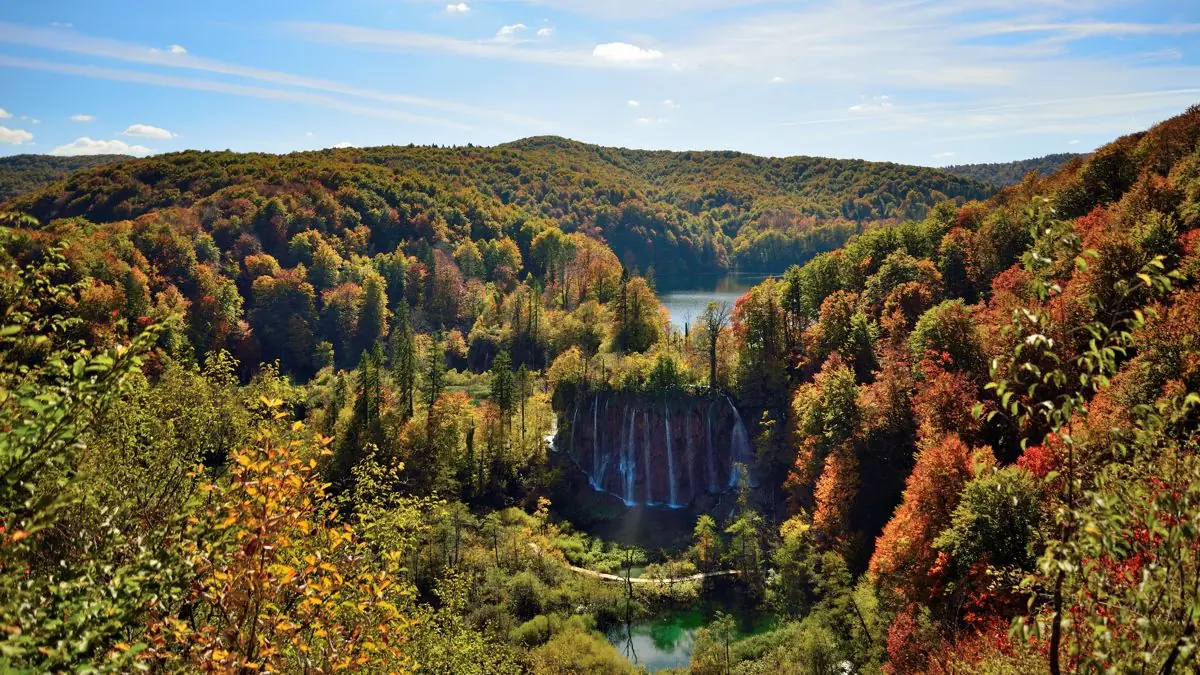
Why April to June and September to October are best for touring, and when summer and winter work.
No. Hungary is in Central Europe, but it borders Serbia, Croatia, Slovenia and Romania, and Budapest is a natural starting point for a Balkan journey. That is why we include it.
No. Hungary is in the Schengen Area: with a US passport you can stay up to 90 days in any 180 across all Schengen countries. Your fingerprints and photo are registered at your first entry. Check travel.state.gov before you travel.
No. The currency is the Hungarian forint (HUF). Cards are accepted almost everywhere; some places in Budapest also take euros, usually at a poor rate.
Two full days for the main sights, three if you want time for a thermal bath and a slower pace.
A swimsuit, flip-flops and a towel, though towels can be rented. Most baths have both indoor and outdoor pools and are open all year.
Yes, widely in Budapest, in hotels, restaurants and anywhere tourism is established. Hungarian is unrelated to the languages around it, so a few words of thanks (“köszönöm”) go a long way.
Any journey can be taken privately, on your own dates. Our team in the Balkans will shape it around you.