
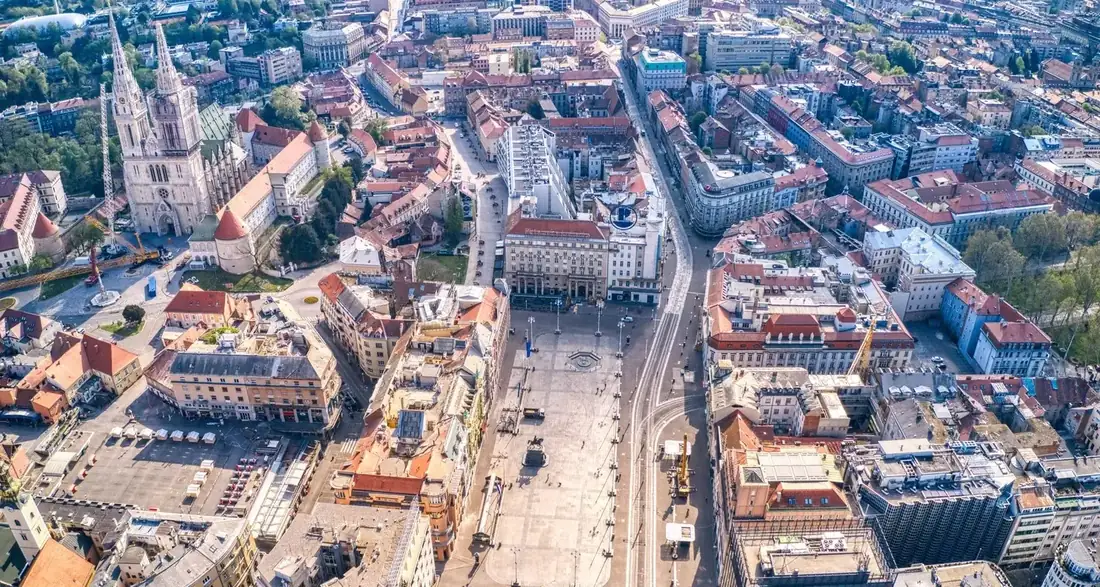
Zagreb
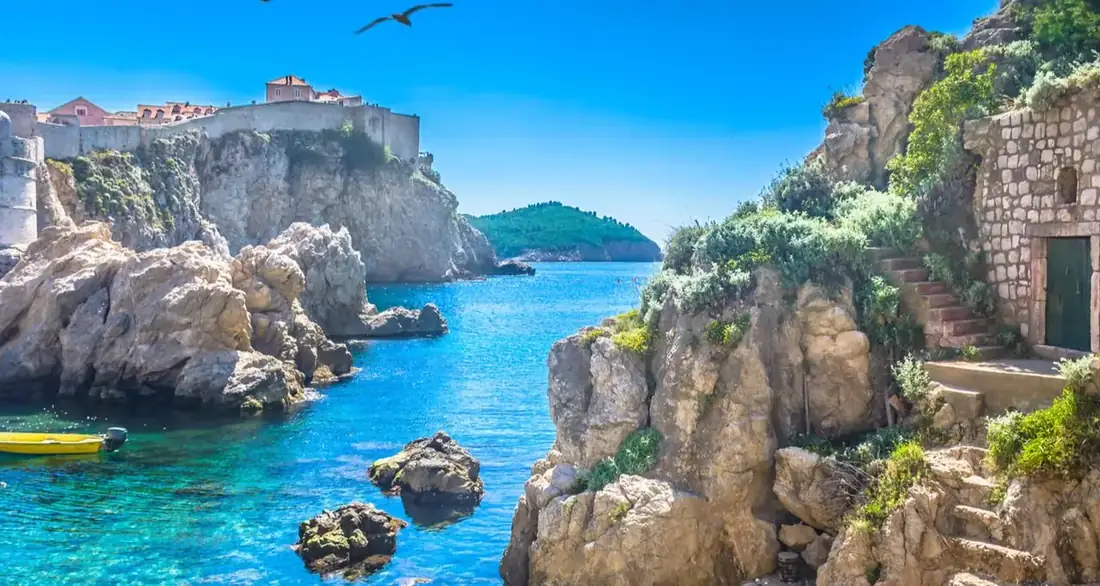
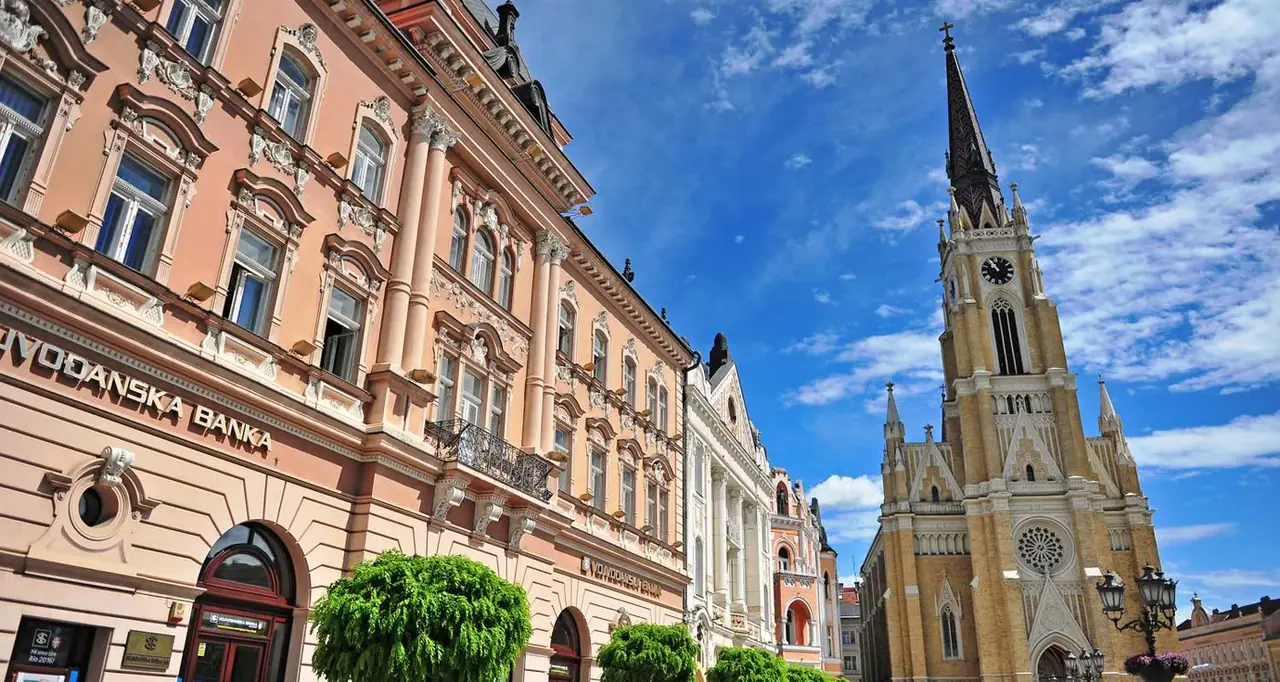
The capital's Upper Town, St. Mark's Church and the squares and parks of the Lower Town, built under Austria-Hungary.
About 30 minutes (about 10 miles)Croatia is the Adriatic coast of the Balkans: walled Dubrovnik, Roman Split, the Plitvice Lakes and the hill towns of Istria. All our small group journeys combine it with at least one neighbor, often ending in Dubrovnik or Split. Plan three or four days for Dubrovnik and Split, and another week for Istria, Plitvice and the islands.
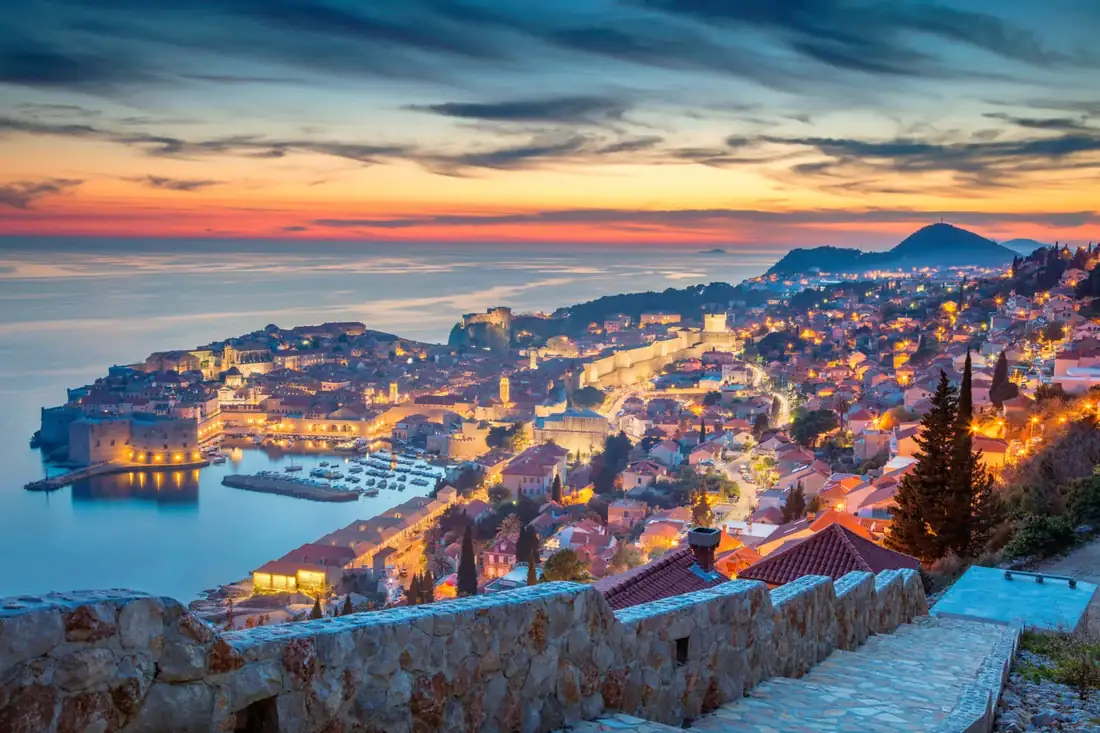
Croatia puts Roman, Venetian and Austro-Hungarian history along one coast, with the sea a short walk from almost every old town.
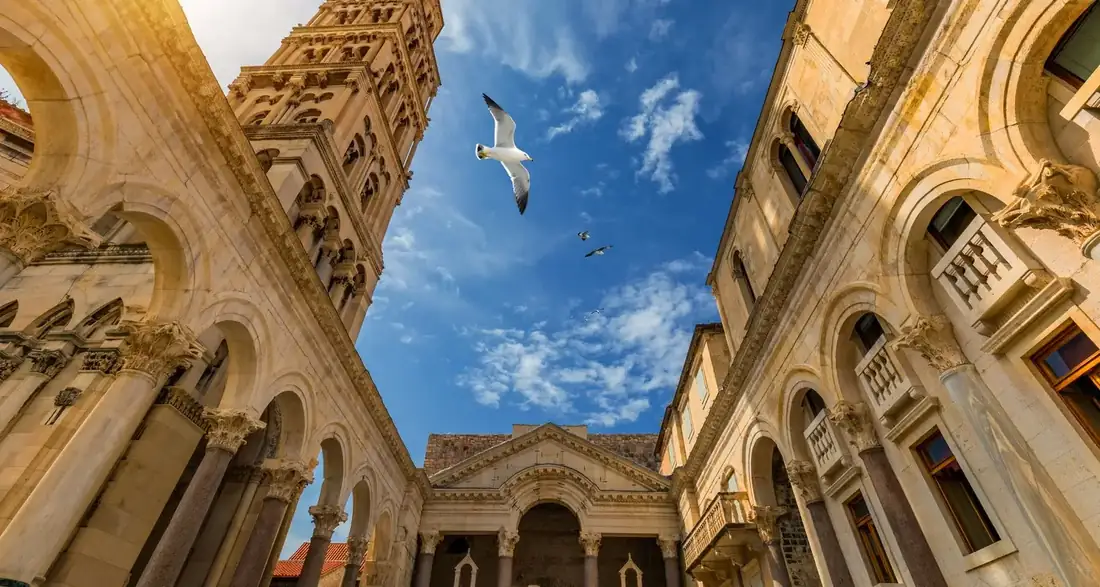
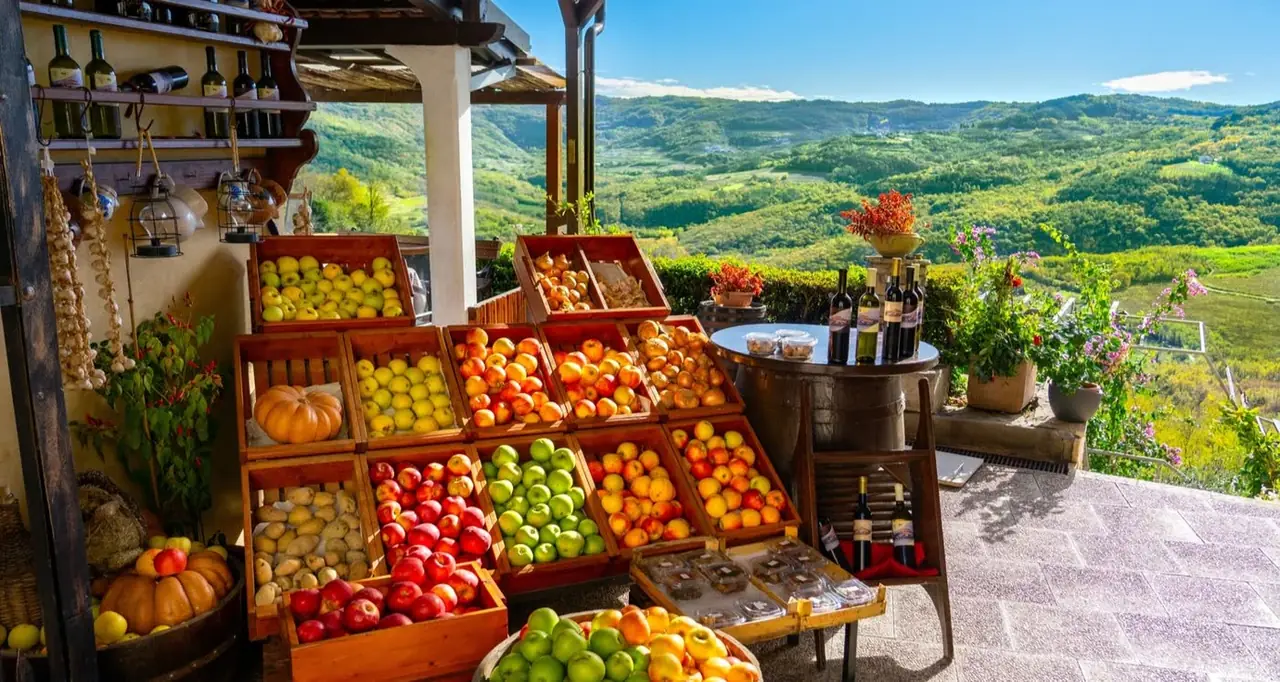
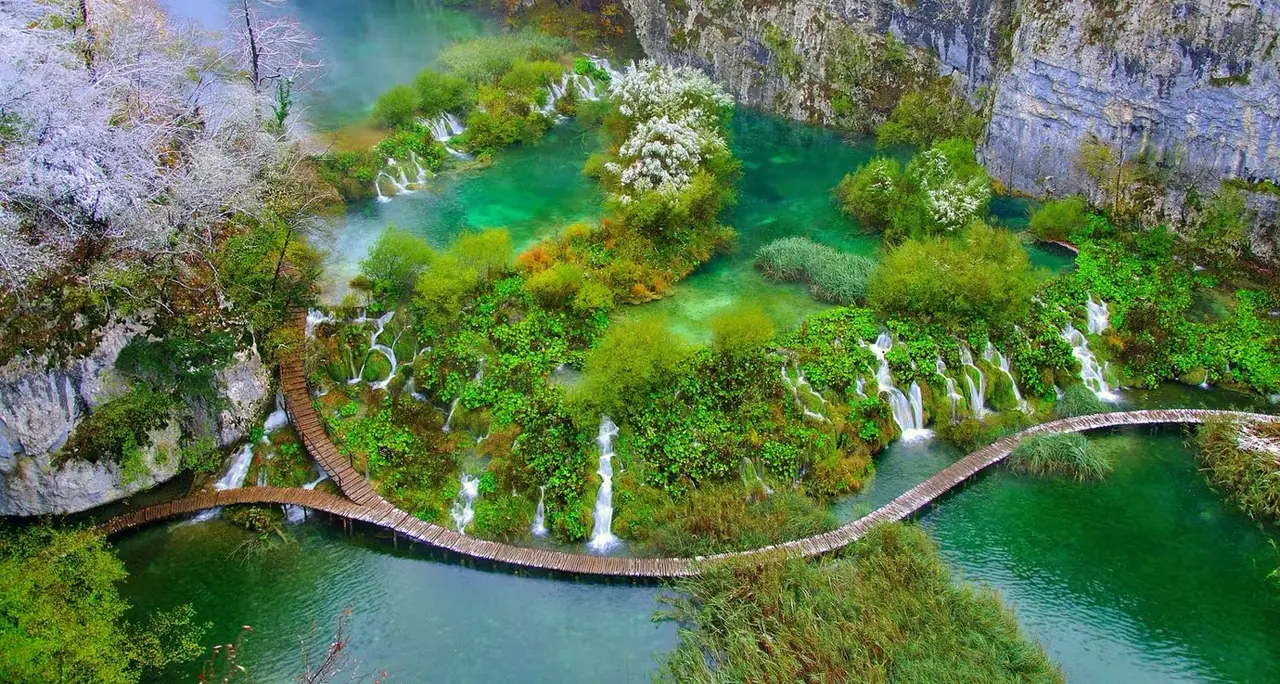
On one journey you can walk the walls of Dubrovnik, stand in Diocletian's Palace in Split and follow the wooden walkways around the Plitvice Lakes. In between are the oyster beds of Lim Bay, the truffle forests of Istria and the Plavac Mali vineyards of Pelješac.
Croatia is where our journeys reach the Adriatic. Fourteen of our small group journeys cross it, including all eight Balkan Extended routes from Istria down the coast. Our team in the Balkans plans each day, and local guides lead you through every old town.
Approximate drive times from Zagreb Airport; actual times vary with season and traffic.
The capital's Upper Town, St. Mark's Church and the squares and parks of the Lower Town, built under Austria-Hungary.
About 30 minutes (about 10 miles)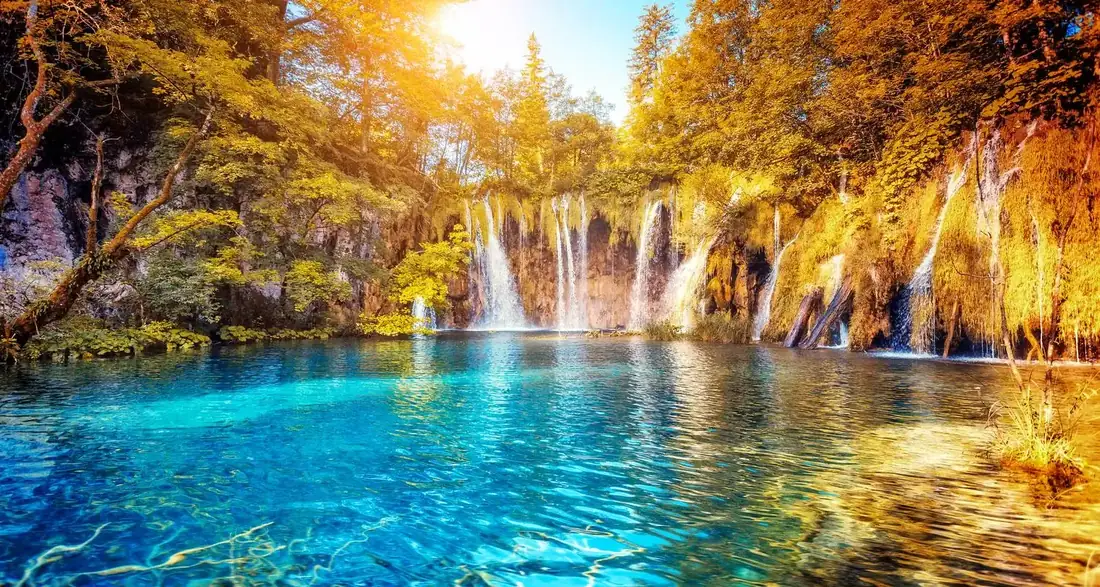
A UNESCO-listed national park of terraced lakes and waterfalls, linked by wooden walkways.
About 2 hours (about 85 miles)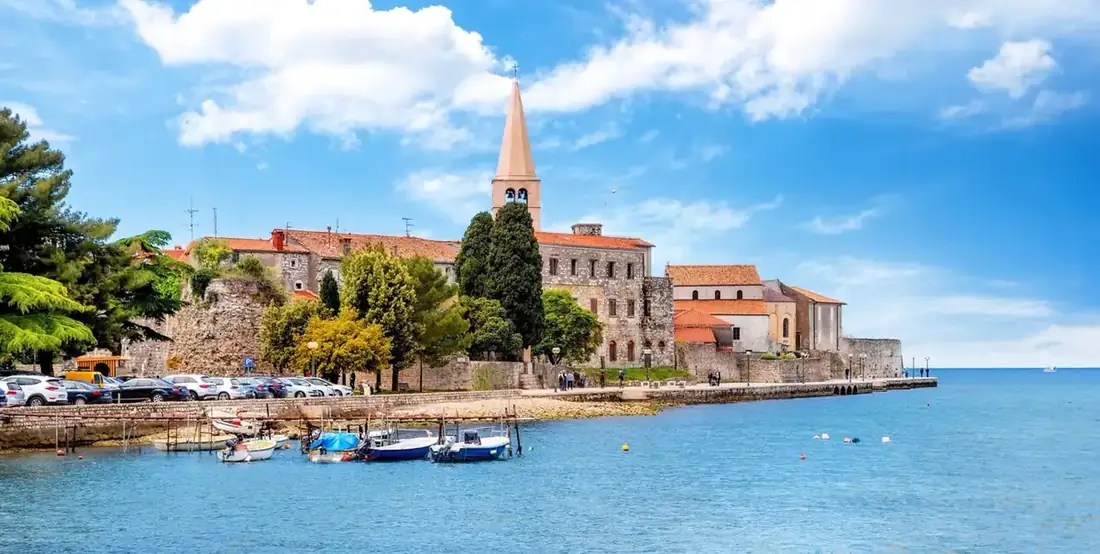
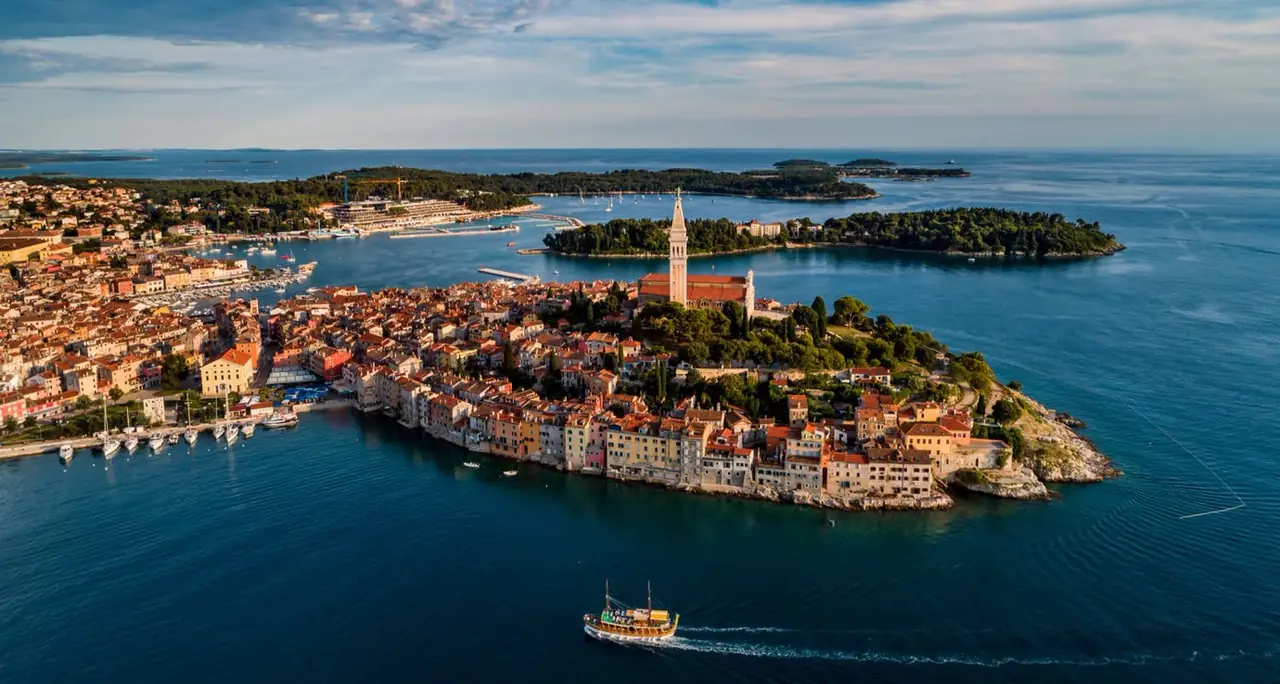
Rovinj on the coast, the UNESCO-listed Euphrasian Basilica in Poreč, the Roman amphitheater in Pula, the hill towns of Motovun and Grožnjan, and Opatija on the Kvarner Gulf.
About 3 hours to Rovinj (about 170 miles)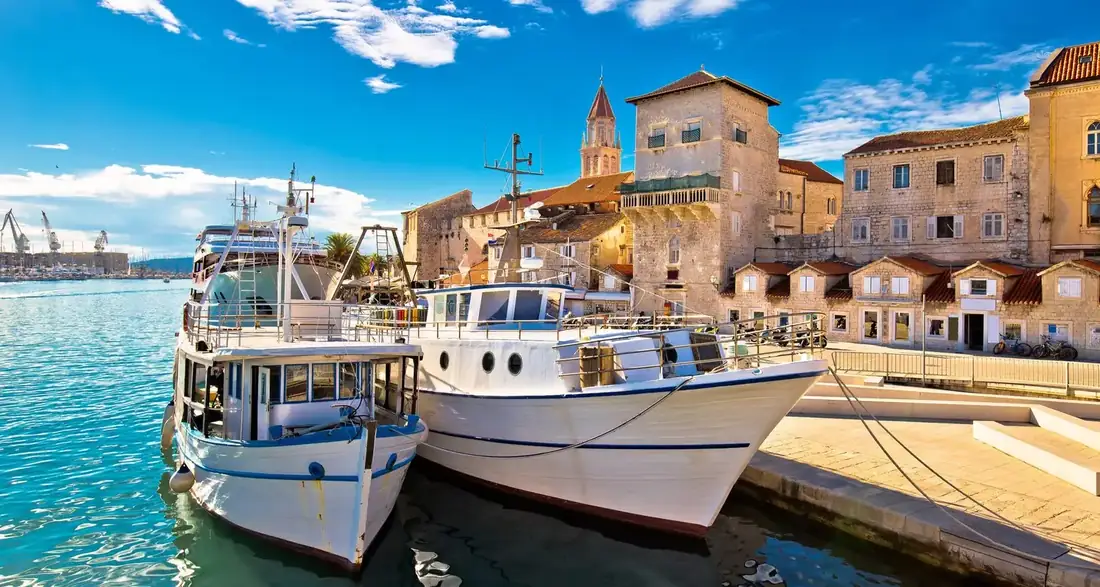
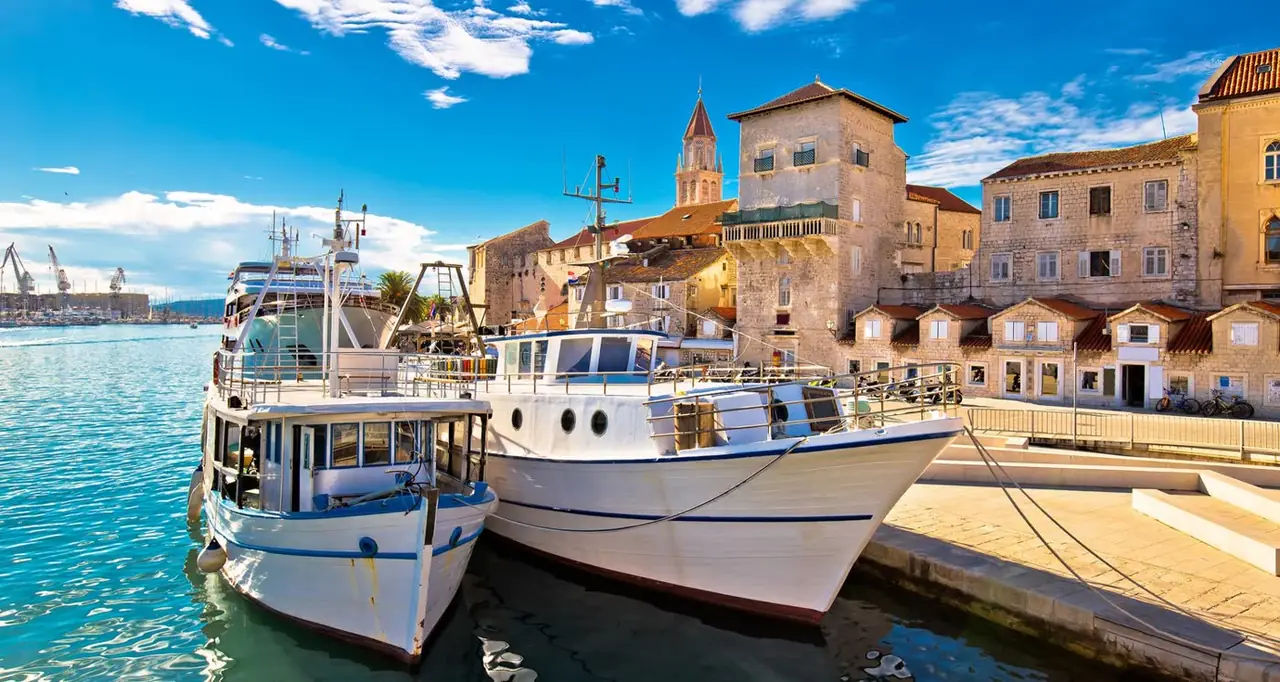
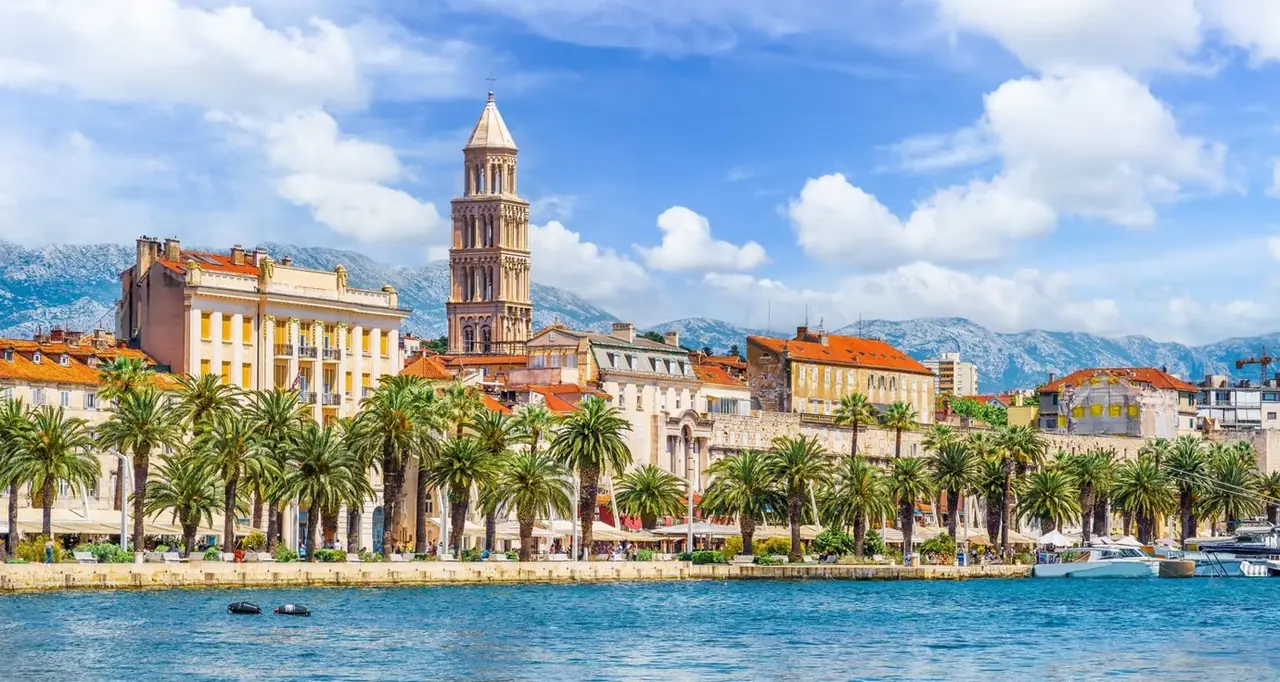
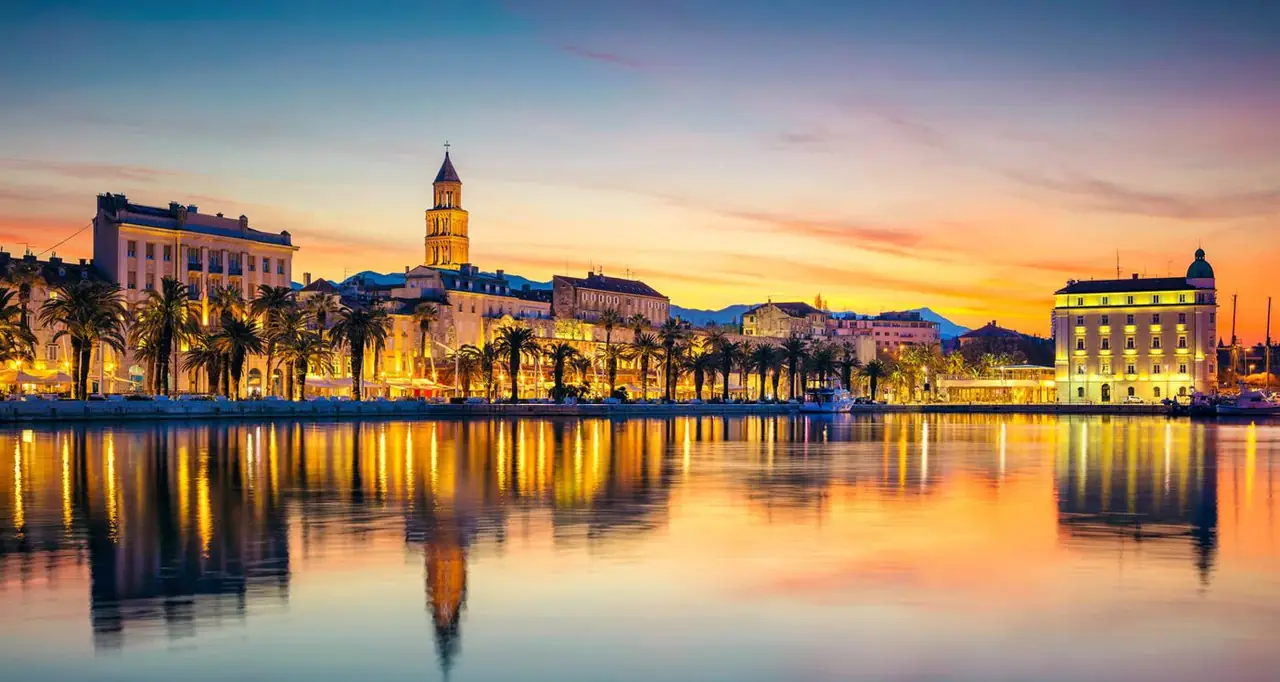
Diocletian's Palace in Split, the UNESCO-listed island town of Trogir and Zadar to the north.
About 4 hours to Split (about 255 miles)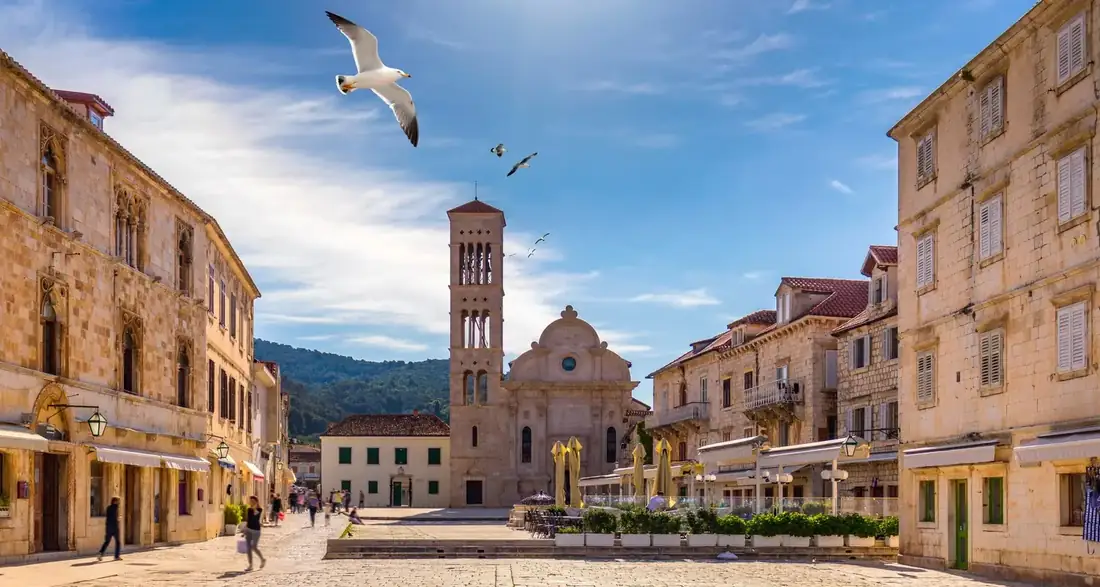
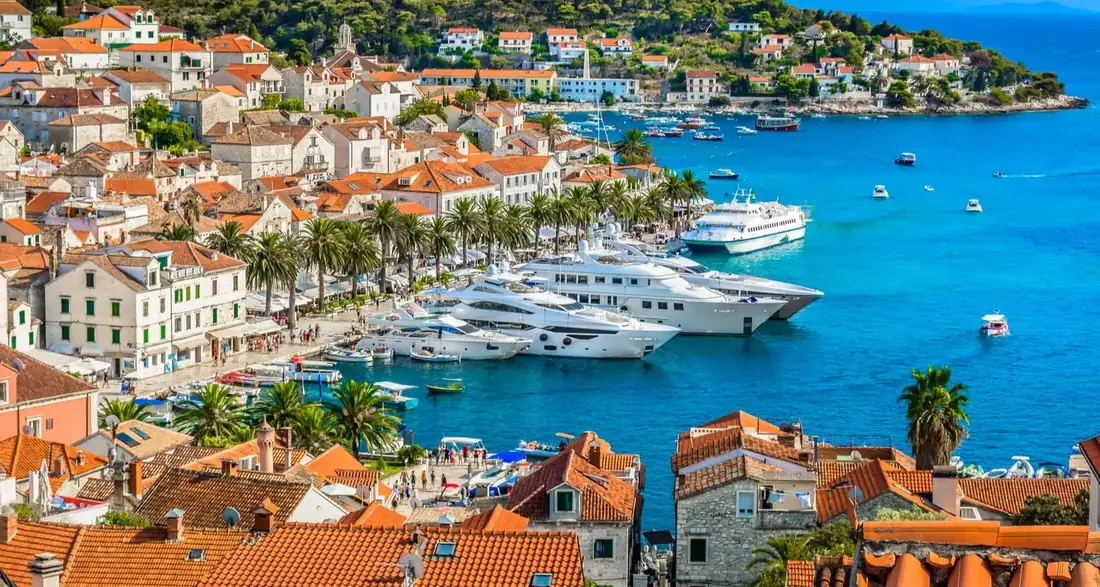
Brač, Hvar and Korčula, with vineyards, olive groves and stone harbor towns.
About 4 hours to Split (about 255 miles), then by ferry or catamaran; crossing times vary by island and port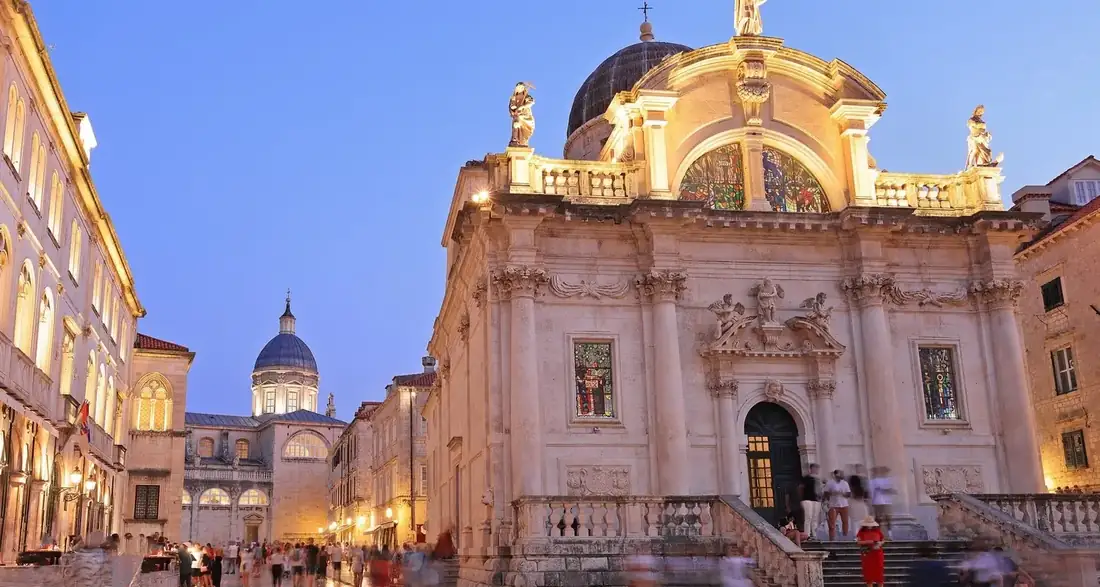
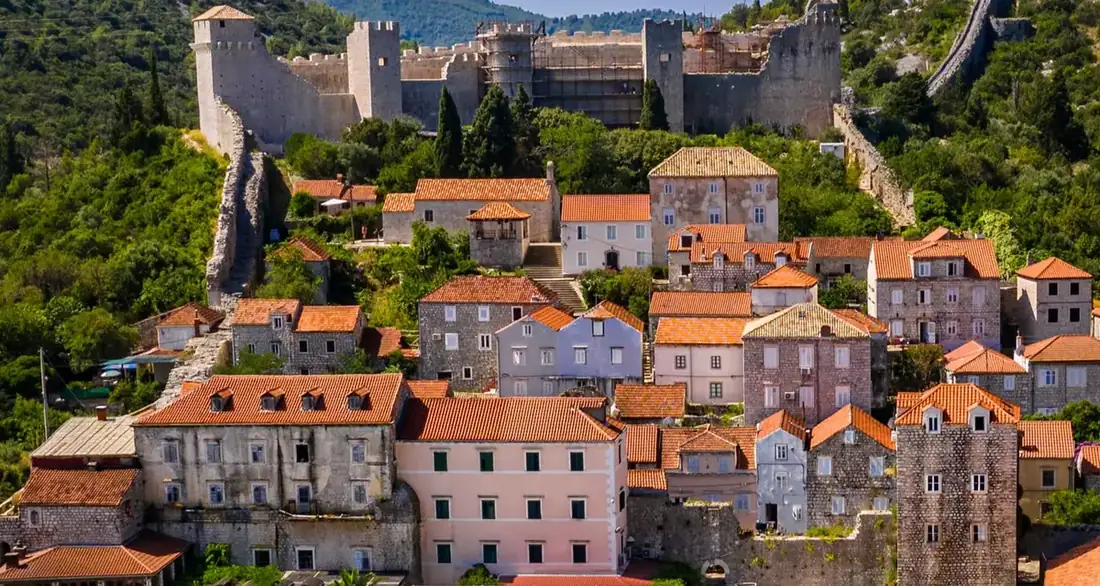
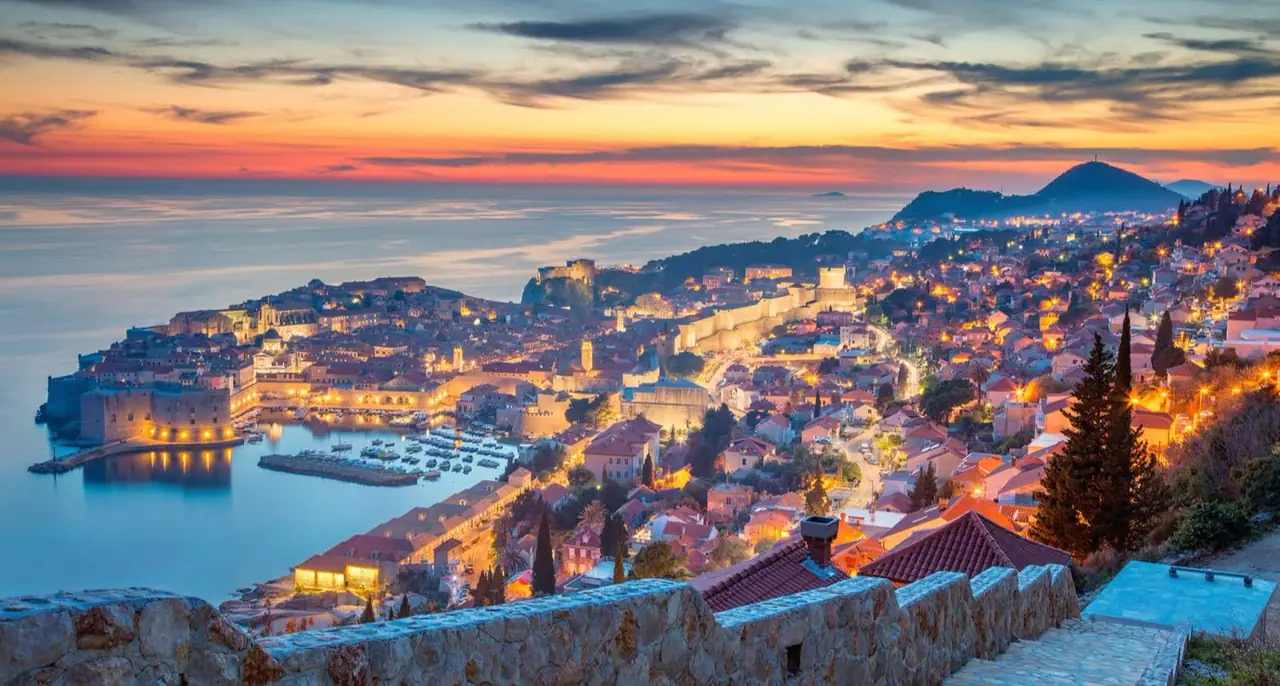
Dubrovnik's walled Old Town, the Pelješac peninsula's vineyards and the medieval walls and oyster beds of Ston.
About 6 to 7 hours (about 370 miles); Dubrovnik also has its own airportMay, June, September and early October are the best months for Croatia: average highs of roughly 70–80°F (21–27°C) and fewer crowds than in summer.
In July and August, coastal highs average about 86°F (30°C), and Dubrovnik and Split are at their busiest.
From November to March, island ferries run a reduced winter schedule that changes from year to year. Zagreb's Advent market fills December.
Plan three or four days for Dubrovnik and Split. Add another week for Istria, the Plitvice Lakes and the islands of Brač, Hvar or Korčula.
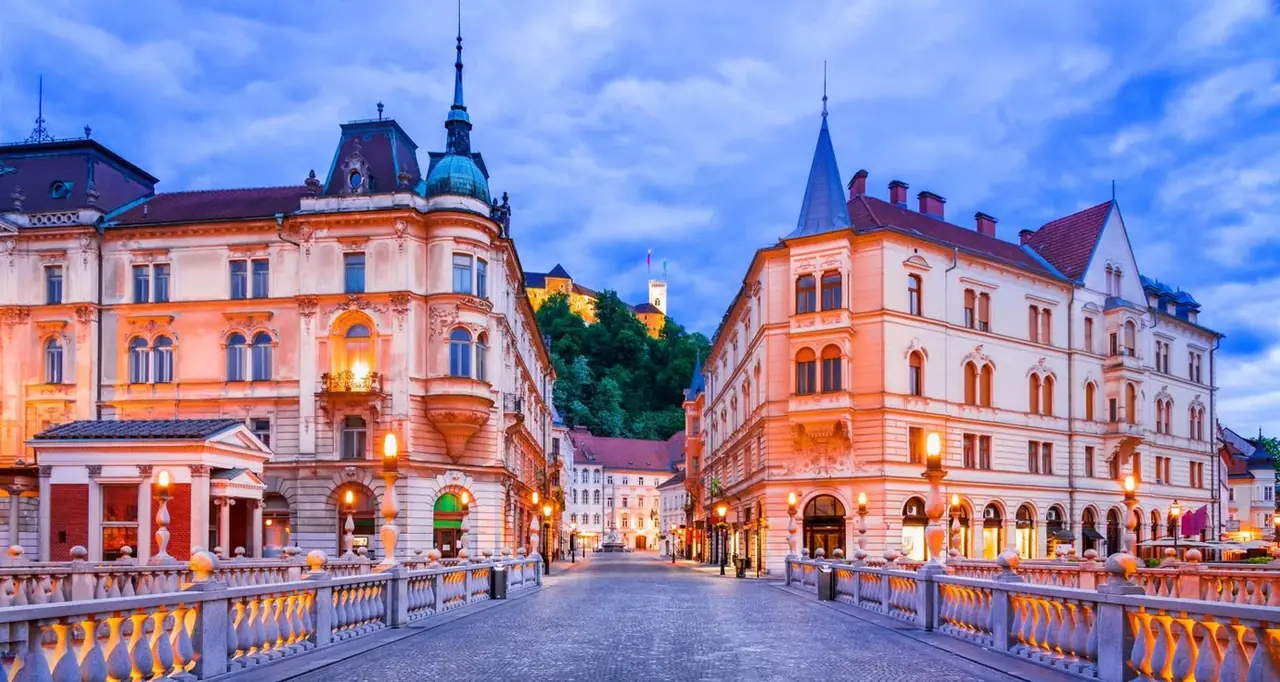
Ljubljana, Postojna Cave and the Goriška Brda wine hills, then south into Istria, Plitvice and Split.
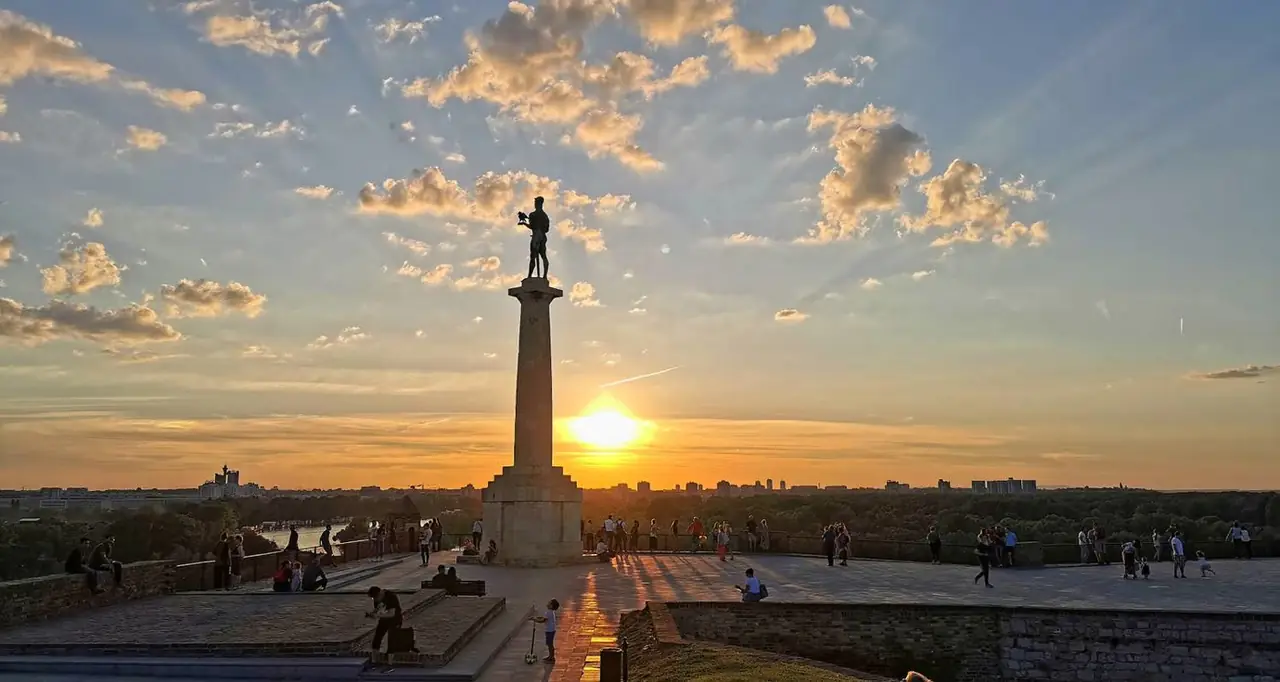
Balkan Extended: Ljubljana to Split, 9 daysFrom €2,990Belgrade to Sarajevo, Mostar and the Bay of Kotor, then Dubrovnik, Split, Plitvice and Zagreb.
Balkan Essentials, 12 daysFrom €3,165Budapest and Belgrade on the Danube, Ljubljana, then the full Croatian coast from Istria to Dubrovnik.
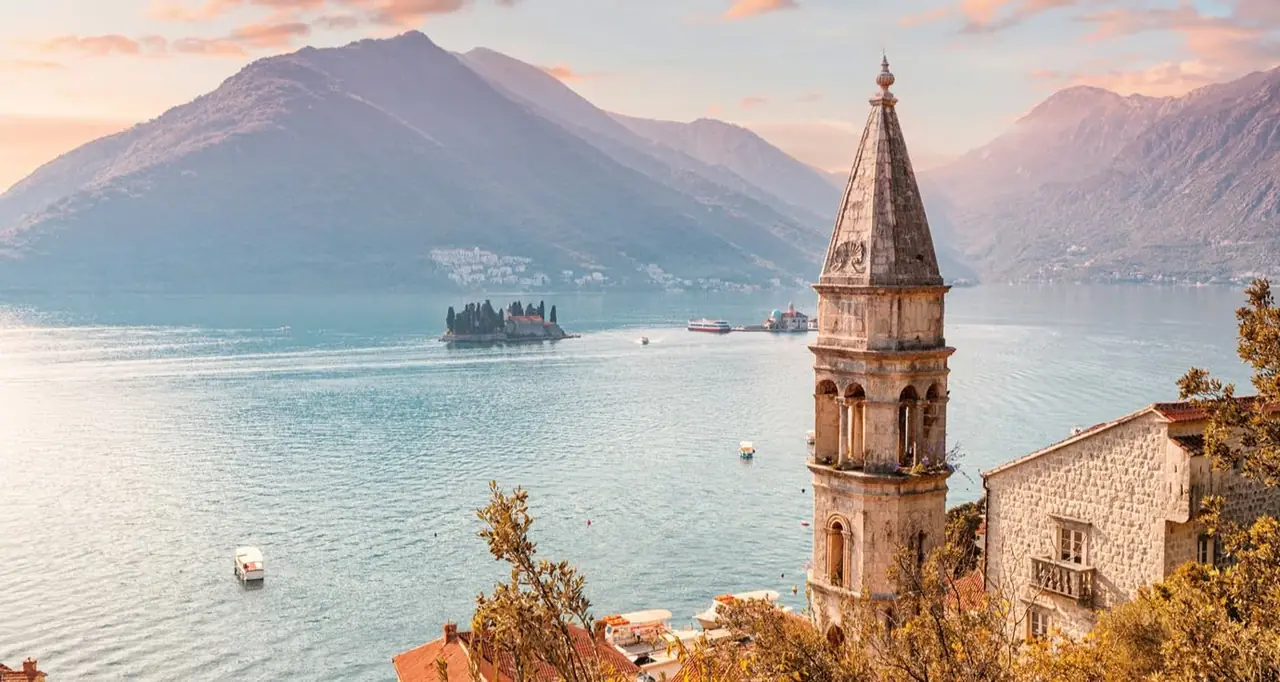
Balkan Extended: Budapest to Dubrovnik, 15 daysFrom €4,240The Bay of Kotor is about 2 hours from Dubrovnik, so the two coasts pair easily.
Croatia and Montenegro, 14 days, private journeyPrice on requestThese journeys include Croatia, as small group departures, private journeys or tours on request.
No journey matches these filters. Talk to an expert and we will suggest one, or travel privately on your own dates.
Three Experience More moments are included on our small group journeys through Croatia.
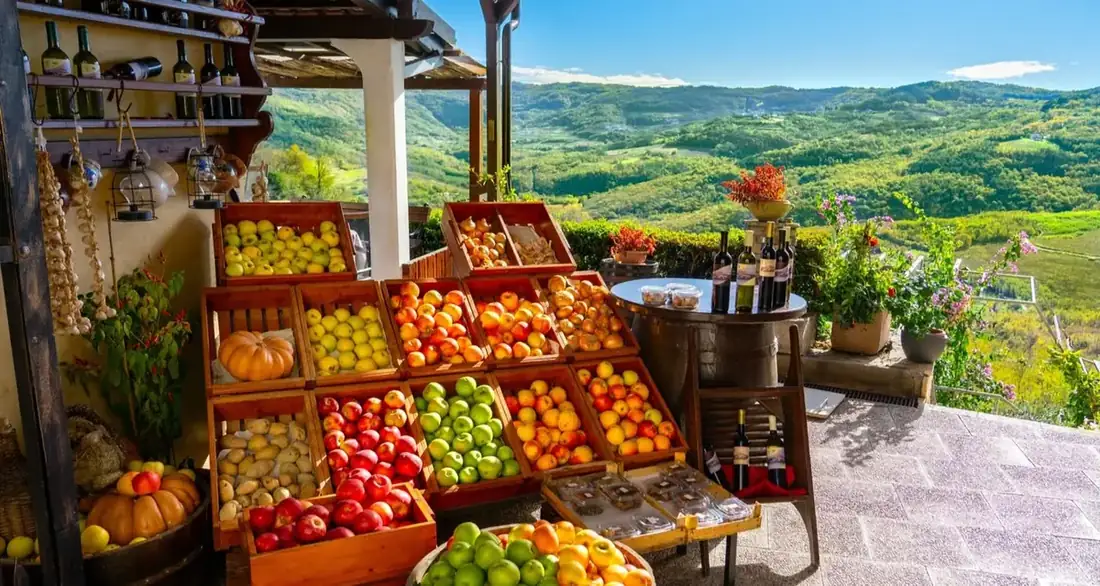
In an Istrian forest, a truffle hunter and his dog show how the region's white and black truffles are found. Afterward, you taste truffle cheese and sausages with a glass of Istrian wine.
On 8 journeys, including Balkan Extended: Belgrade to Dubrovnik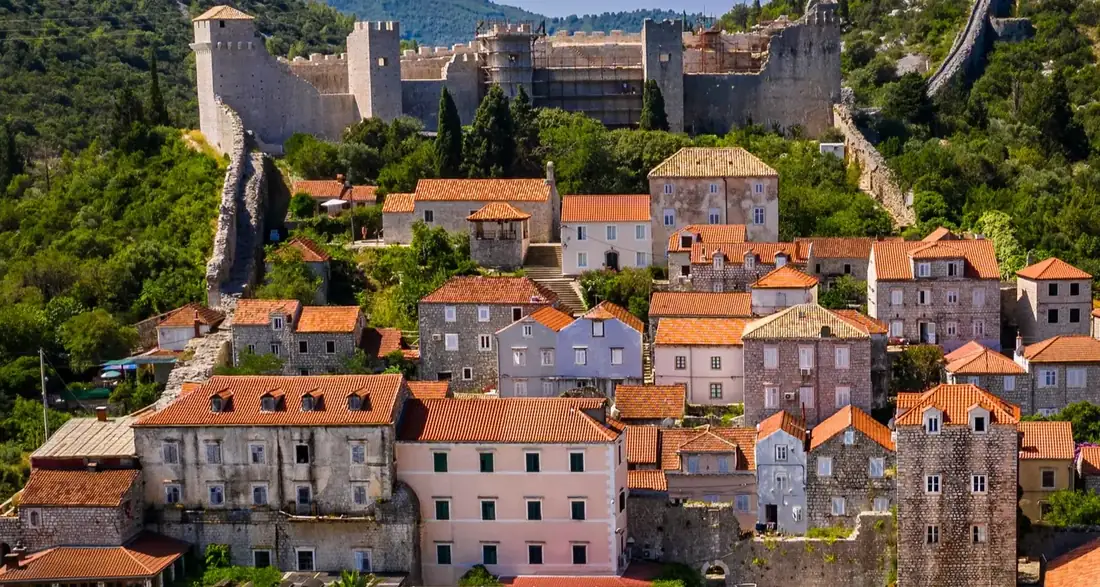
At Lim Bay, a 7-mile (11 km) inlet where fresh water meets the sea, a restaurant near the oyster farm serves oysters, mussels, clams and scallops with Istrian wine.
On 8 journeys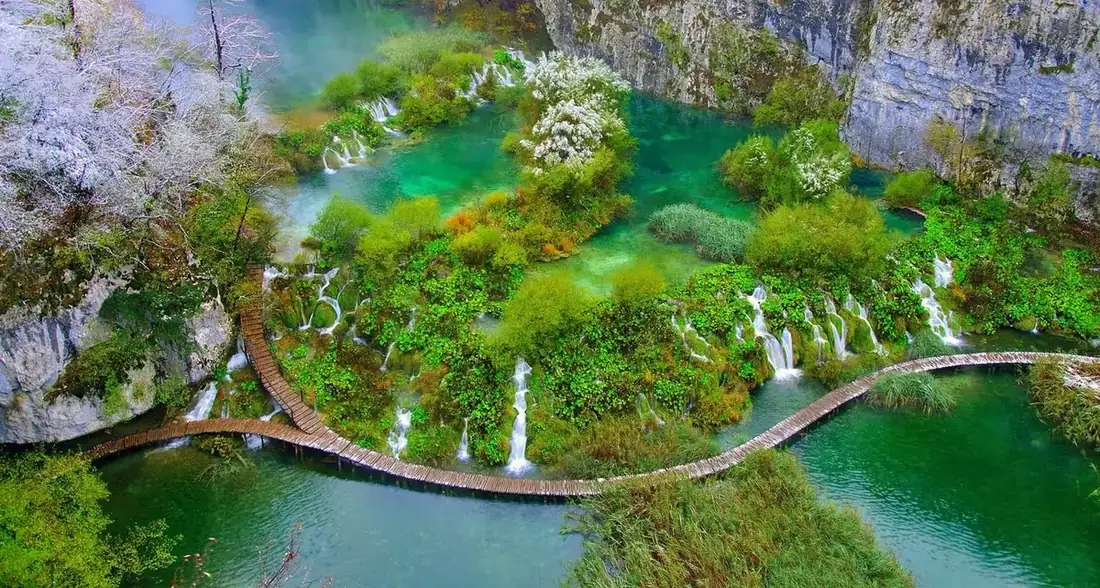
How food changes from Dalmatia to Istria and Slavonia.
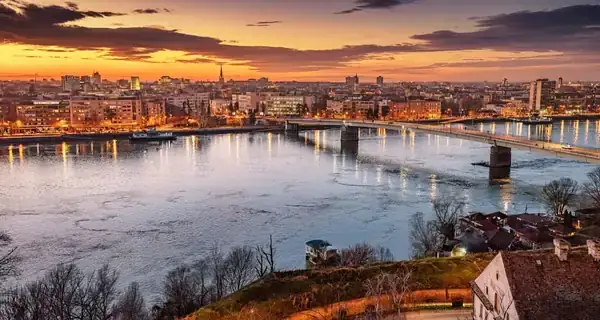
Why April to June and September to October are best for touring, and when summer and winter work.
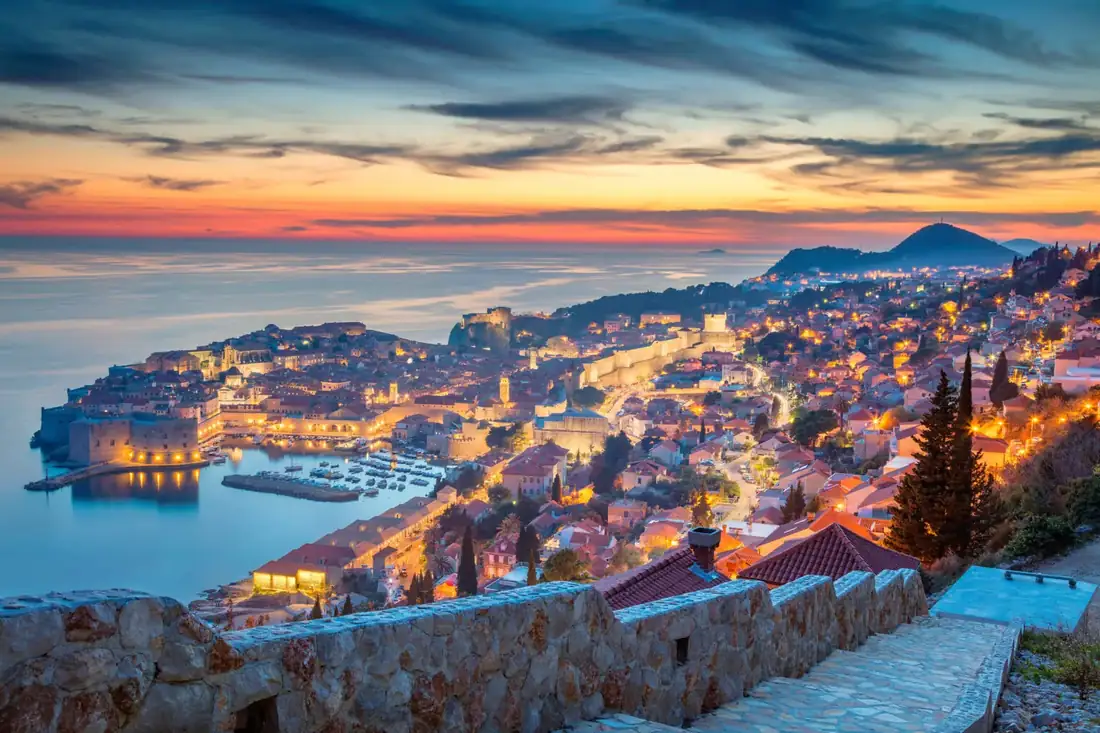
Which drives are most scenic, and where to stop along the way.

The World Heritage Sites worth building a route around.
Yes. The US State Department rates Croatia Level 1, its lowest advisory level, meaning normal precautions. In summer, keep an eye on valuables in crowded old towns.
No. With a US passport you can stay up to 90 days in any 180-day period without a visa. Croatia is part of the Schengen Area, so days here count toward your 90 Schengen days. Entry rules can change; check travel.state.gov before you travel.
Three or four days cover Dubrovnik and Split. Plan another week to add Istria, the Plitvice Lakes and the islands.
The euro, since January 2023. Cards are accepted in hotels, restaurants and most shops; carry some cash for markets and small cafés.
Yes. English is widely spoken in hotels, restaurants and tourist areas, and all our guides speak English.
Yes. All 14 of our small group journeys through Croatia are also available privately, on your own dates. Private journeys can also add the islands of Brač, Hvar and Korčula.
Any journey can be taken privately, on your own dates. Our team in the Balkans will shape it around you.