
Ljubljana
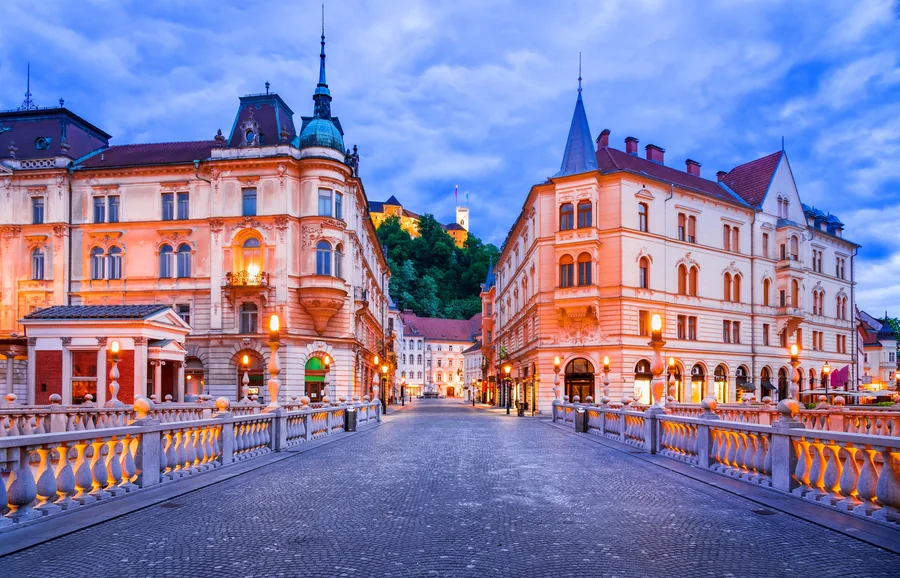
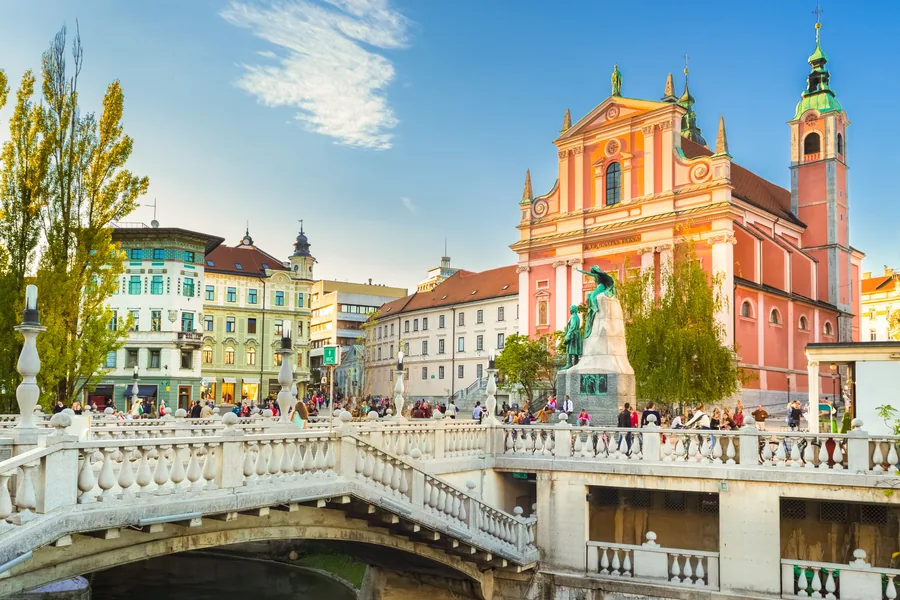
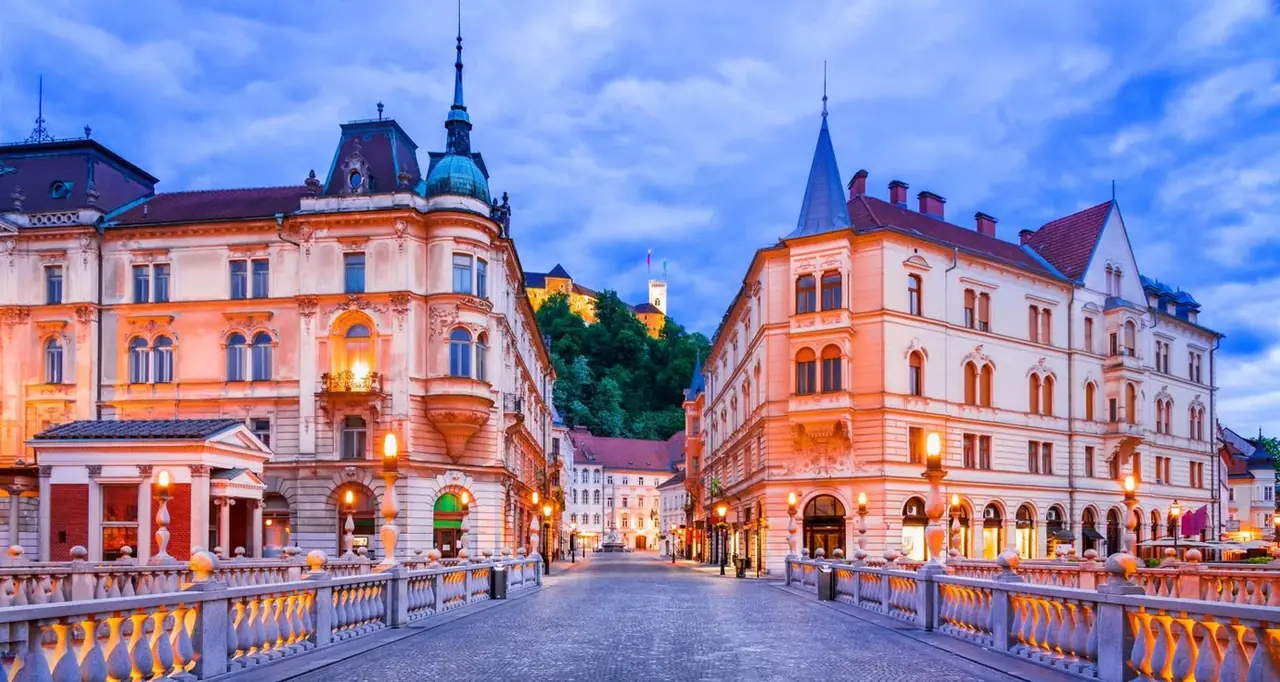
The Old Town below the castle, the bridges and market along the Ljubljanica River, and a car-free center.
About 30 minutes (about 15 miles)Slovenia is the small country where the Alps meet the Adriatic: Ljubljana, Lake Bled, the Karst caves and the wine hills of Goriška Brda, all within about two hours of the capital. Many of our journeys begin here before heading south into Croatia. Plan two or three days for Ljubljana and Bled, or a week to see the country properly.
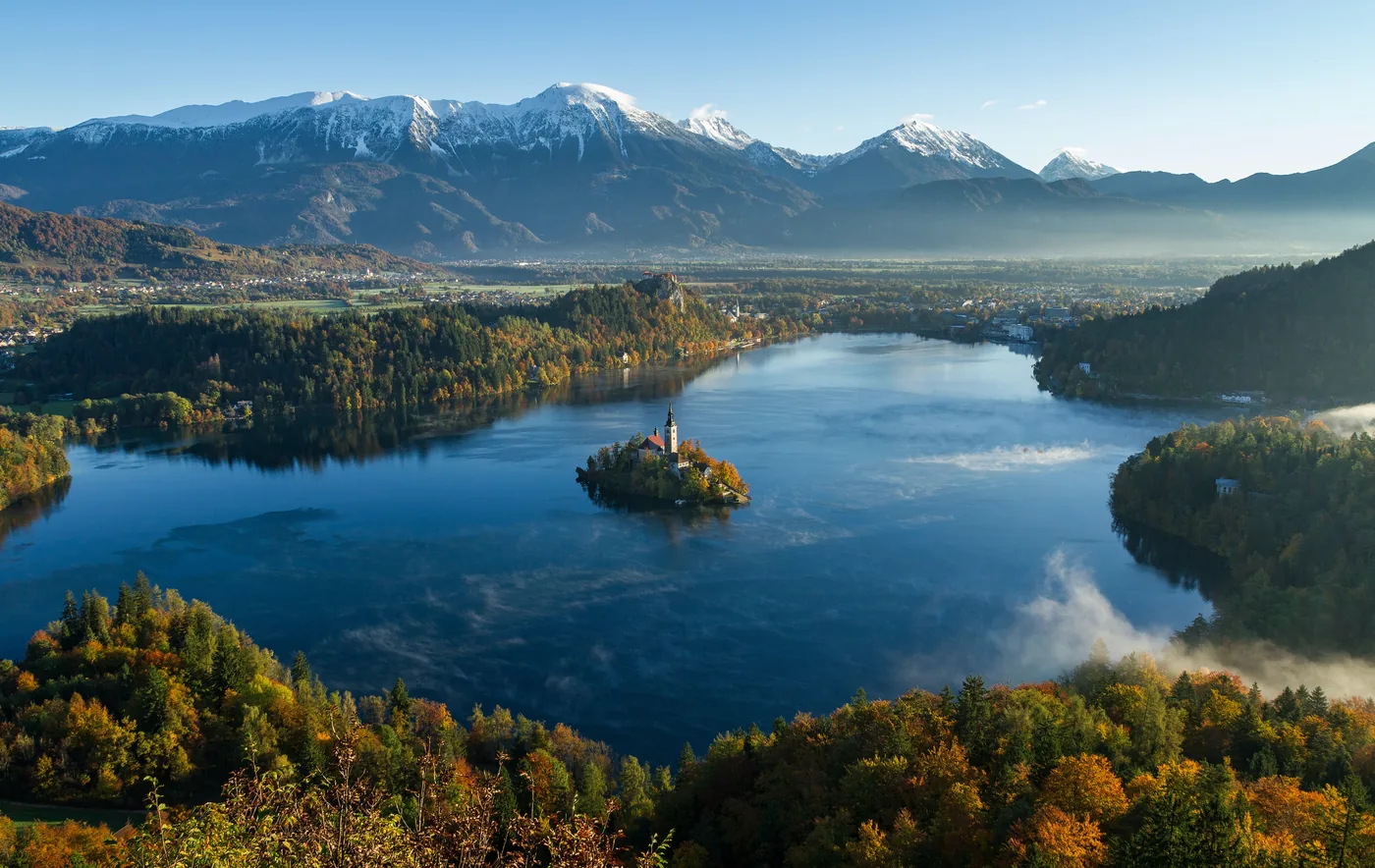
Slovenia fits the Alps, the Mediterranean, the Pannonian Plain and the Karst into one country smaller than New Jersey.
In one day you can stand on the shore of Lake Bled, ride the underground train into Postojna Cave and taste Rebula in the vineyards of Goriška Brda. Ljubljana, with its riverside cafés and castle hill, is never more than about two hours away.
Slovenia is where many of our journeys begin. All eight Balkan Extended routes cross it, four small group journeys stay in Slovenia from start to finish, and our Imperial Cities journeys end in Ljubljana.
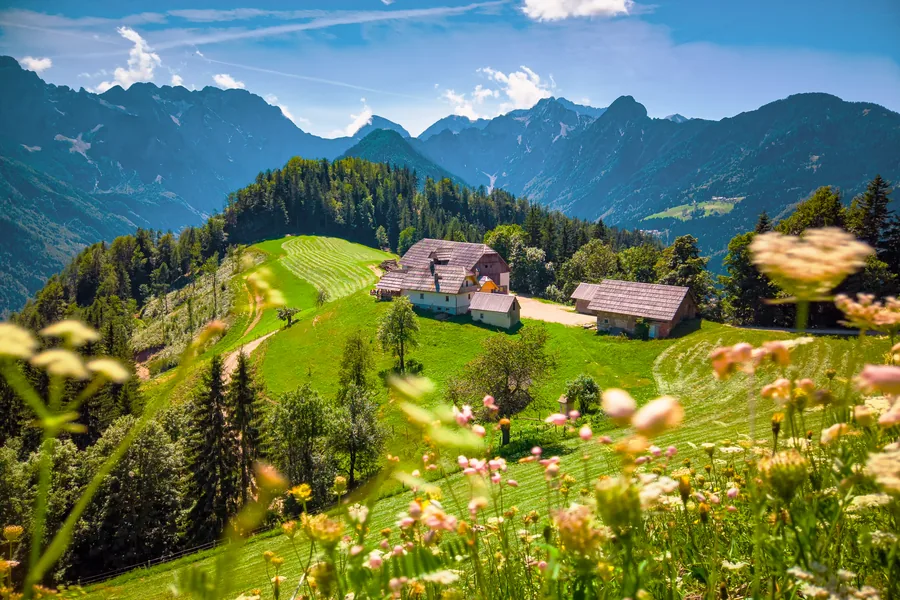
Approximate drive times from Ljubljana Airport; actual times vary with season and traffic.
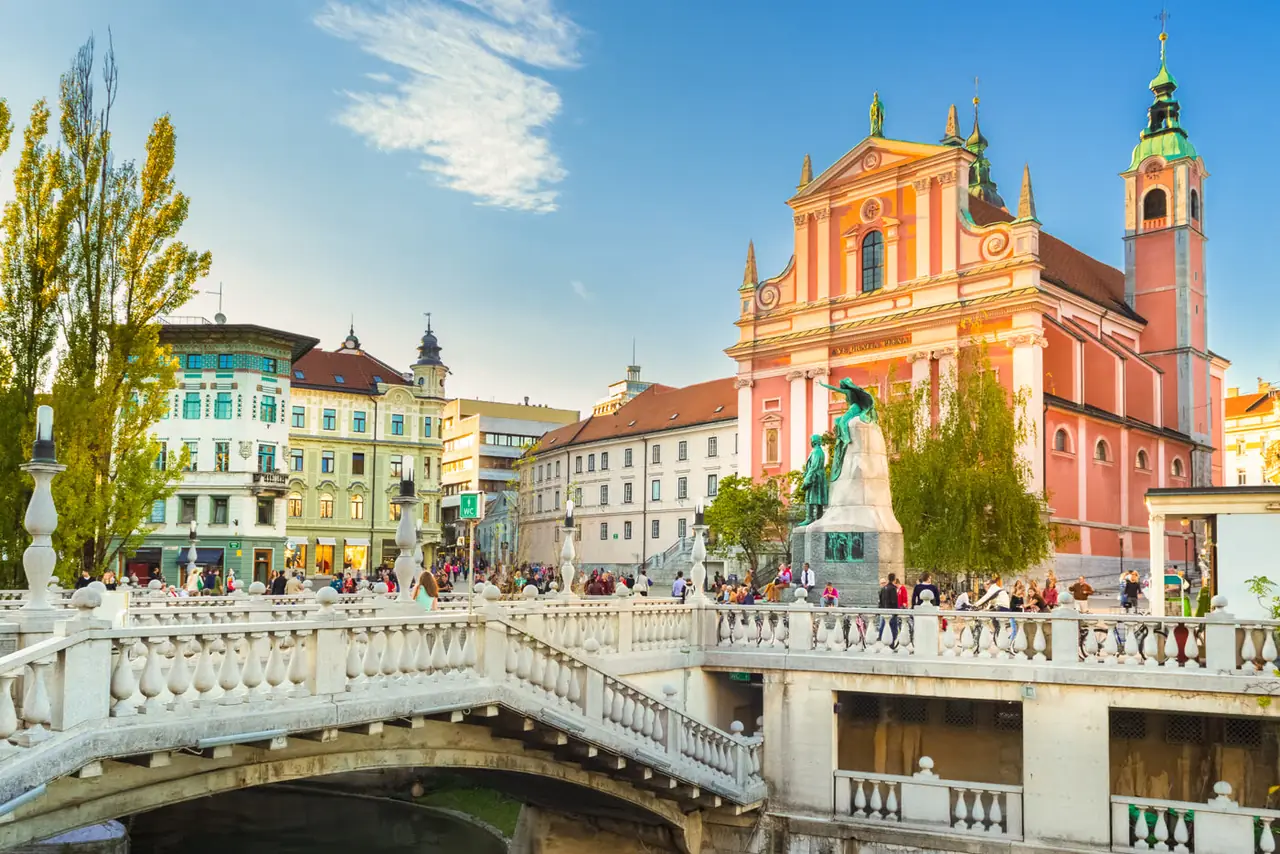
The Old Town below the castle, the bridges and market along the Ljubljanica River, and a car-free center.
About 30 minutes (about 15 miles)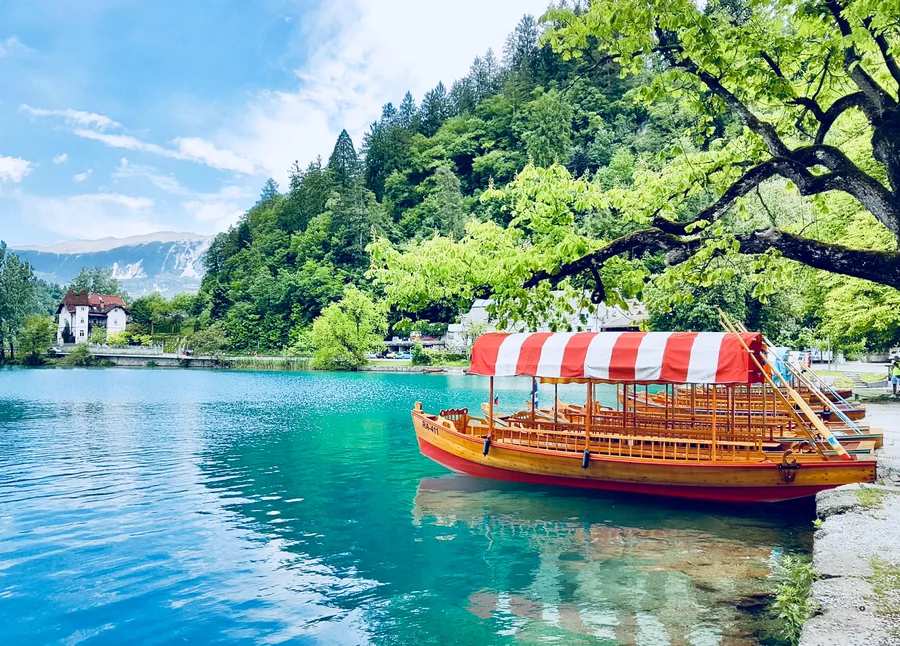
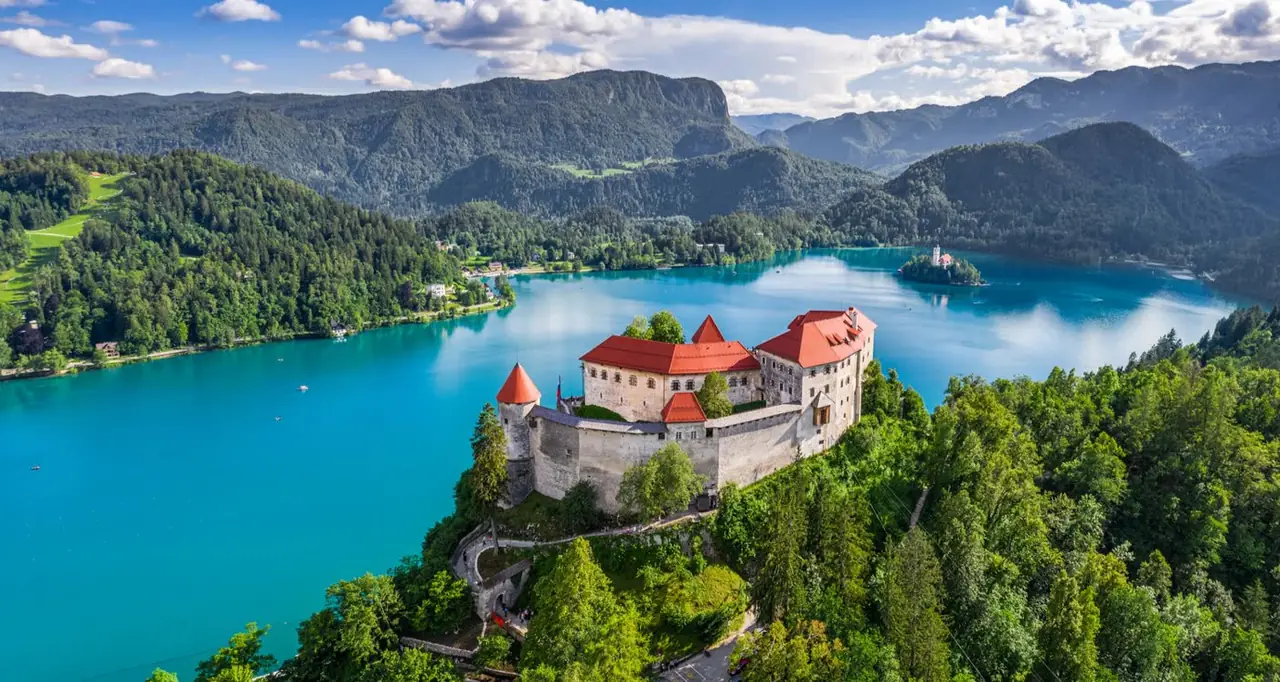
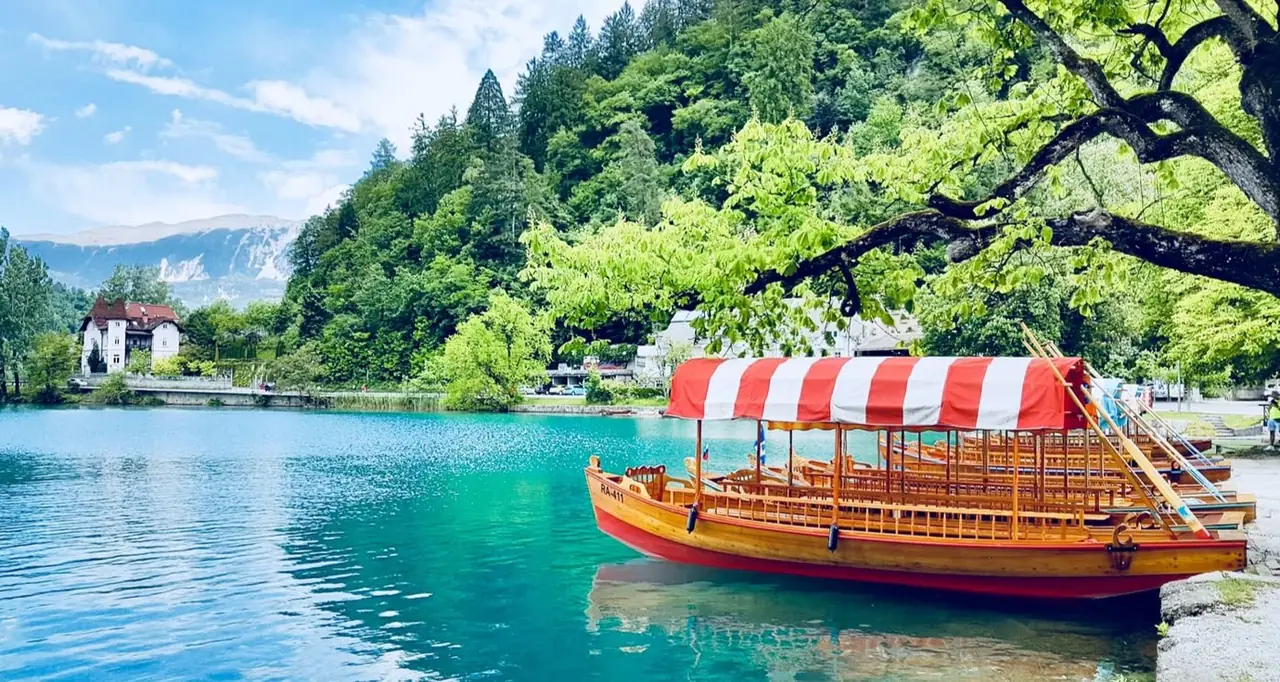
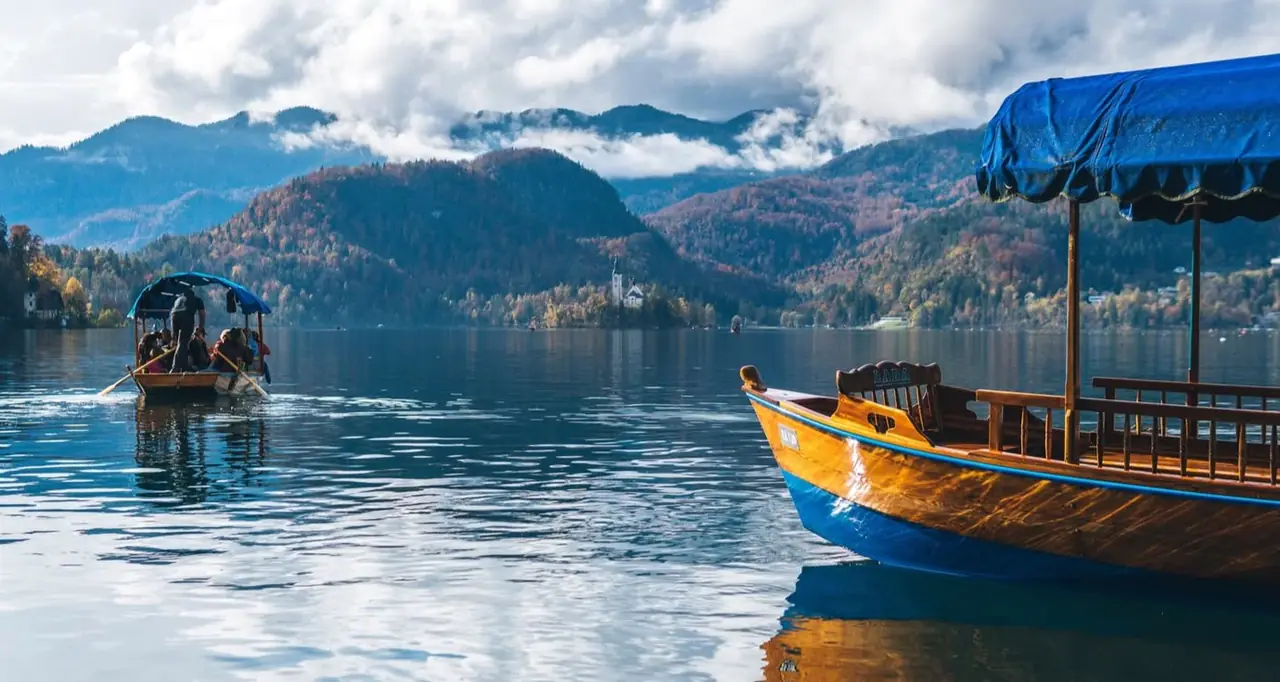
Bled's island church and clifftop castle, and quieter Lake Bohinj inside Triglav National Park.
About 30 minutes to Bled (about 20 miles)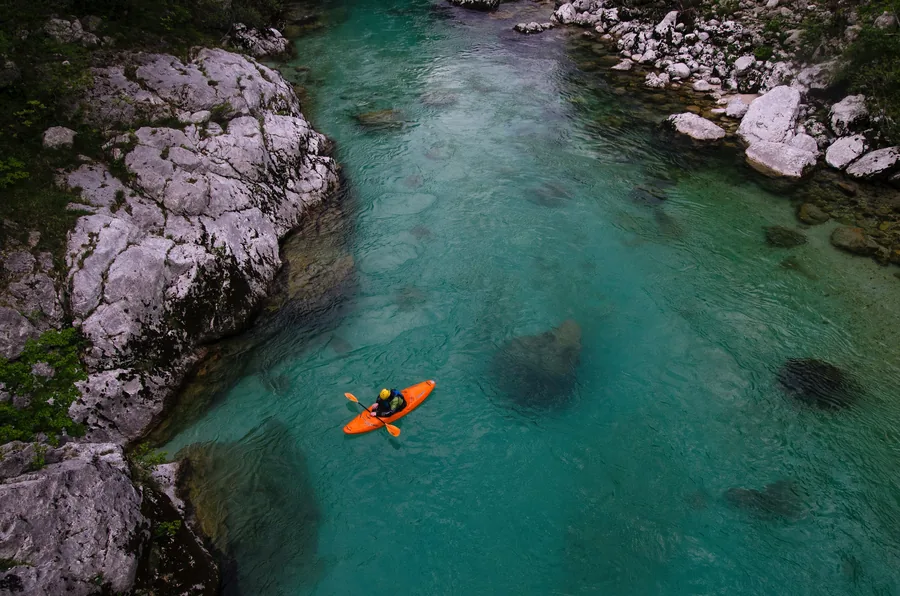
The emerald Soča River, World War I history in Kobarid and the mountain road over the Julian Alps.
About 2 hours (about 70 miles)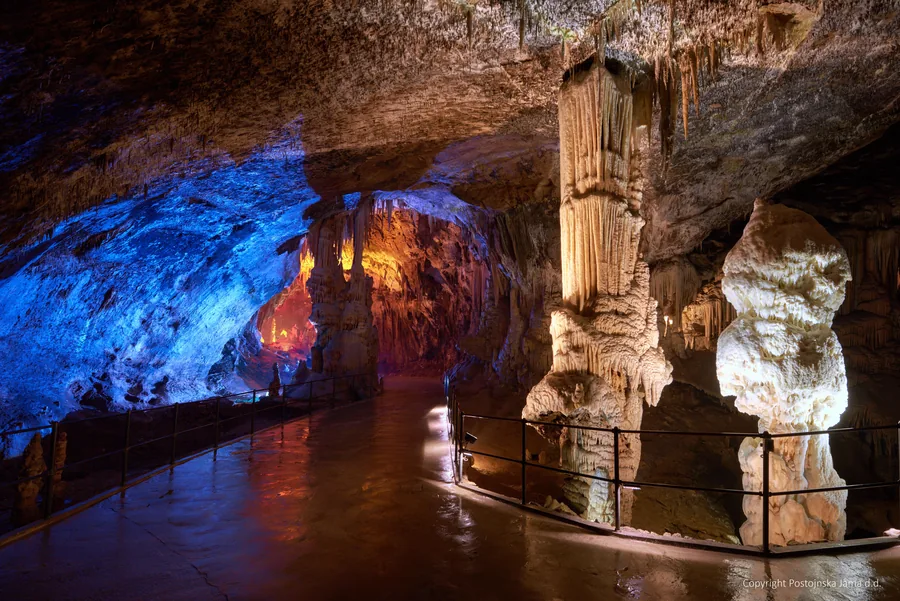
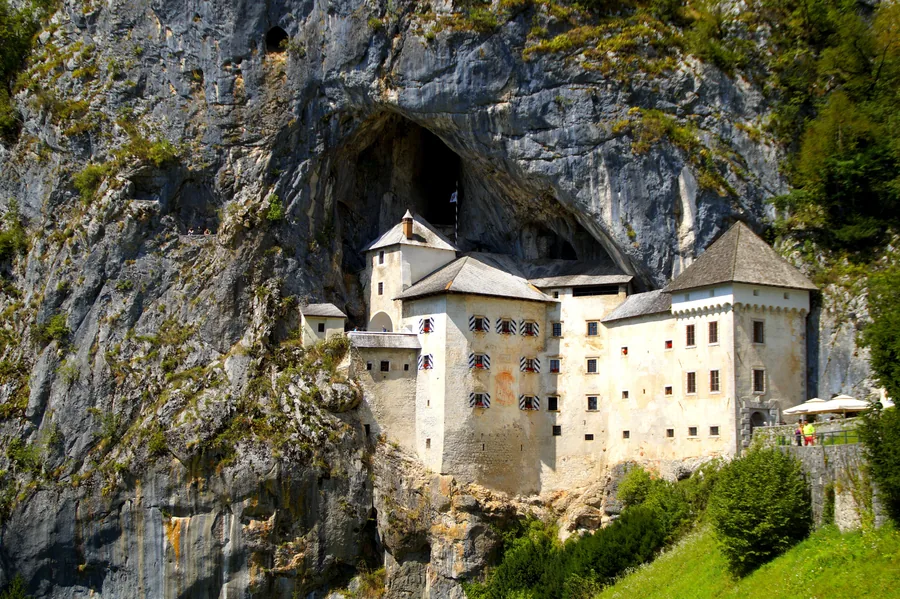
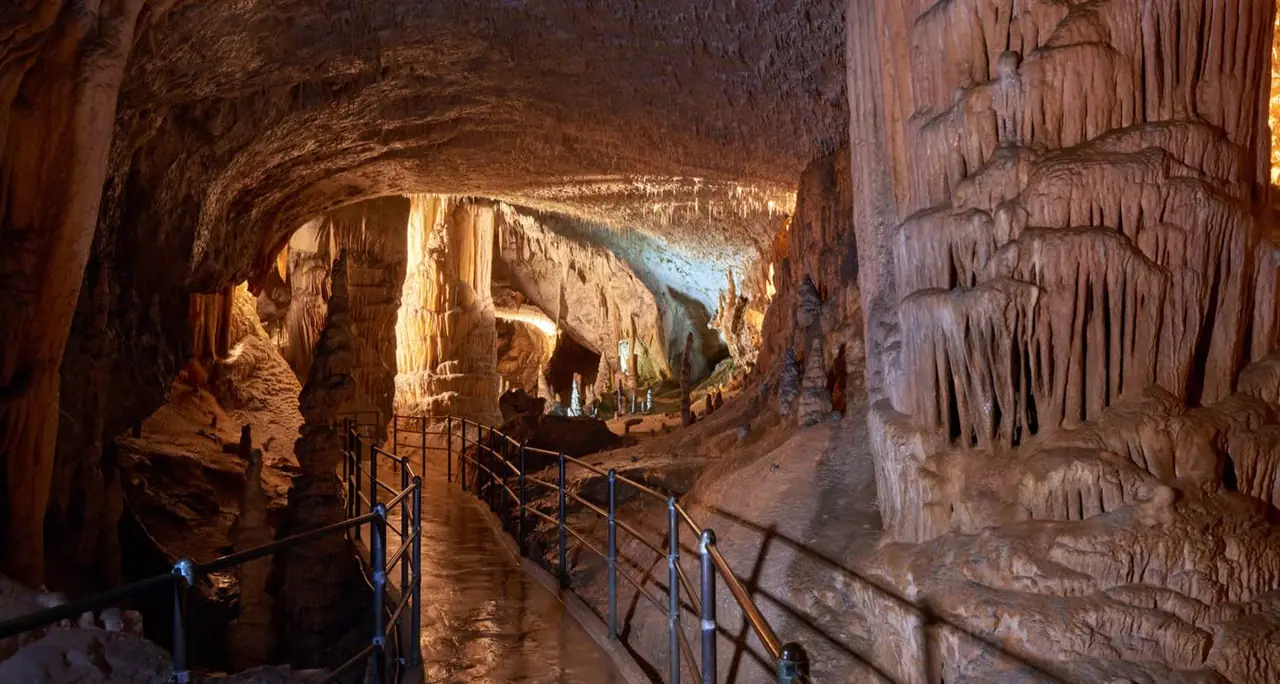
Postojna Cave, the UNESCO-listed Škocjan Caves and the Lipica stud farm, home of the Lipizzaner horse.
About 1 hour to Postojna (about 50 miles)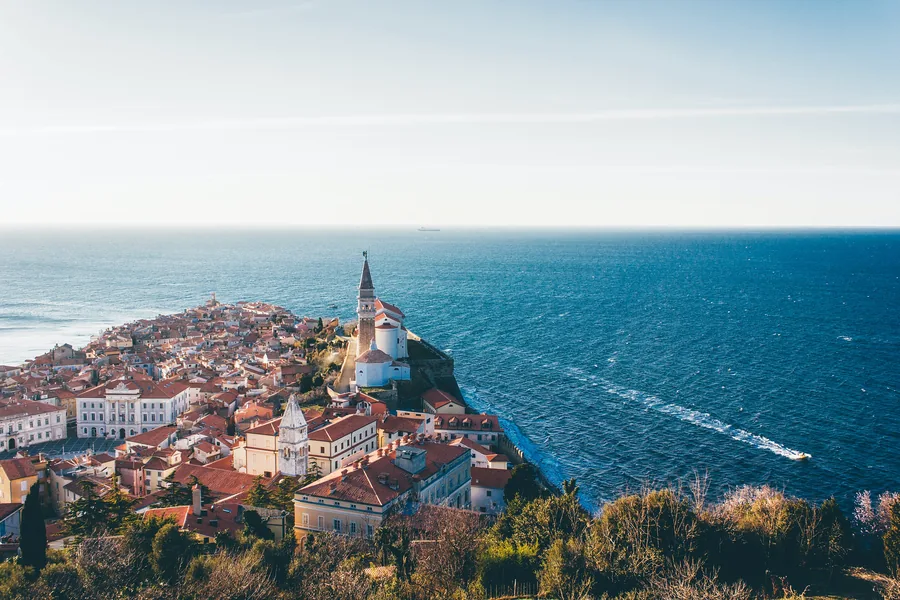
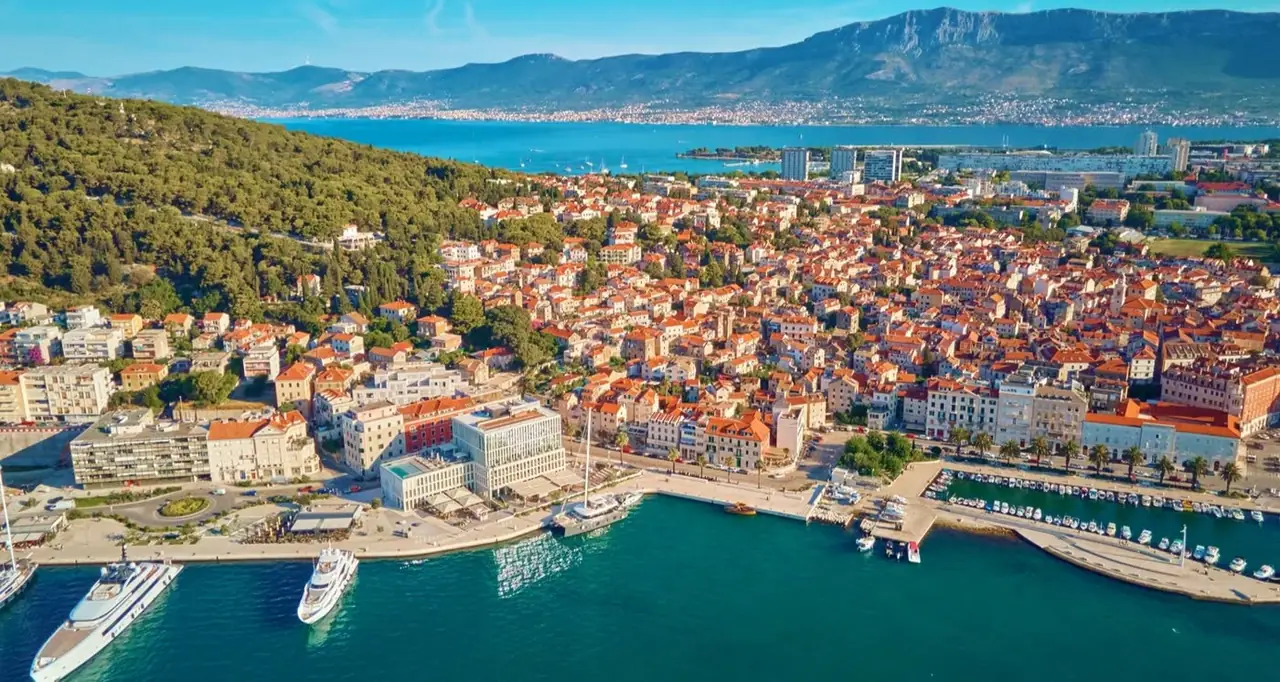
Piran's Venetian-era old town, the resort of Portorož and the Sečovlje salt pans.
About 1½ hours to Piran (about 85 miles)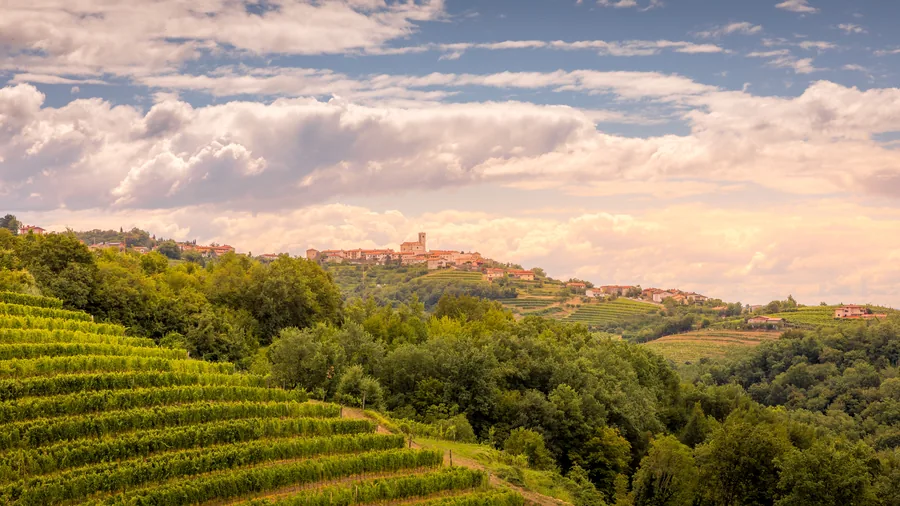
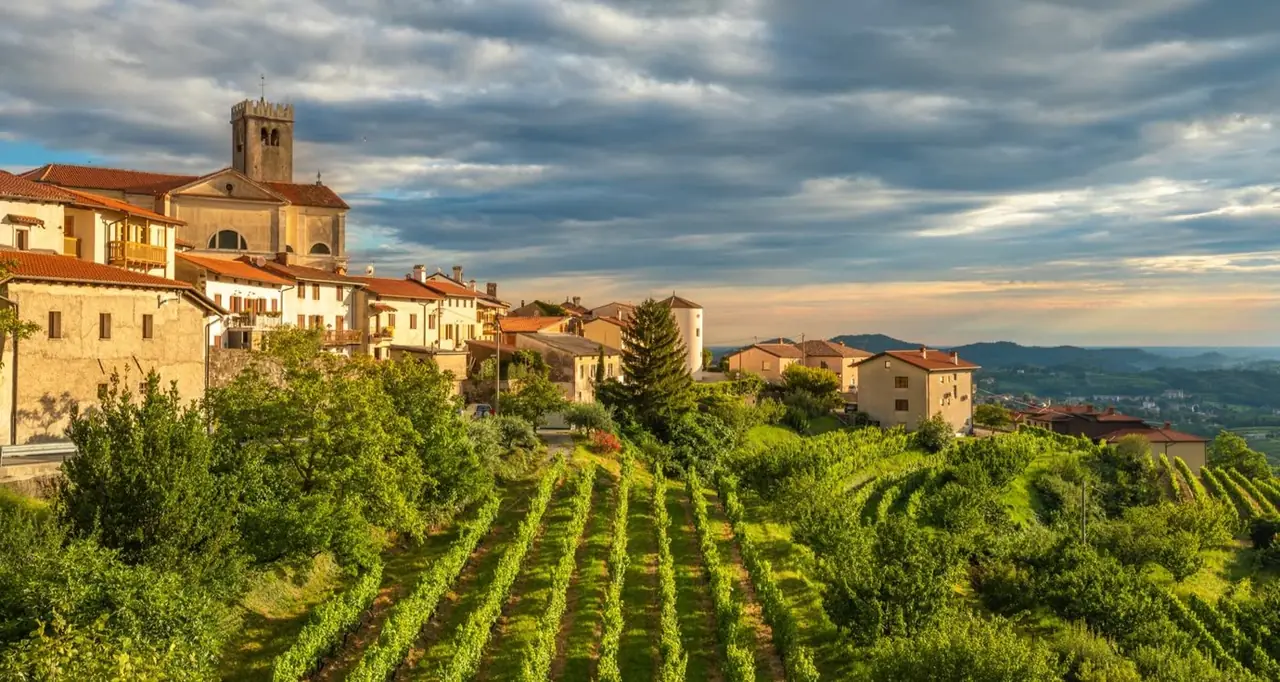
Wine hills along the Italian border, the medieval village of Šmartno and the Vipava Valley.
About 1½ hours (about 75 miles)May, June, September and early October are the best months for Slovenia: mild weather, open mountain roads and fewer crowds at Bled and Postojna.
In July and August, highs in Ljubljana average about 81°F (27°C), and Lake Bled and Postojna Cave are at their busiest.
The Vršič Pass road usually closes in winter, with opening dates that change from year to year; Ljubljana's Advent market fills December.
Plan two or three days for Ljubljana and Lake Bled, and about a week to add the Soča Valley, the Karst and the coast. Most guests combine Slovenia with Croatia or Central Europe.
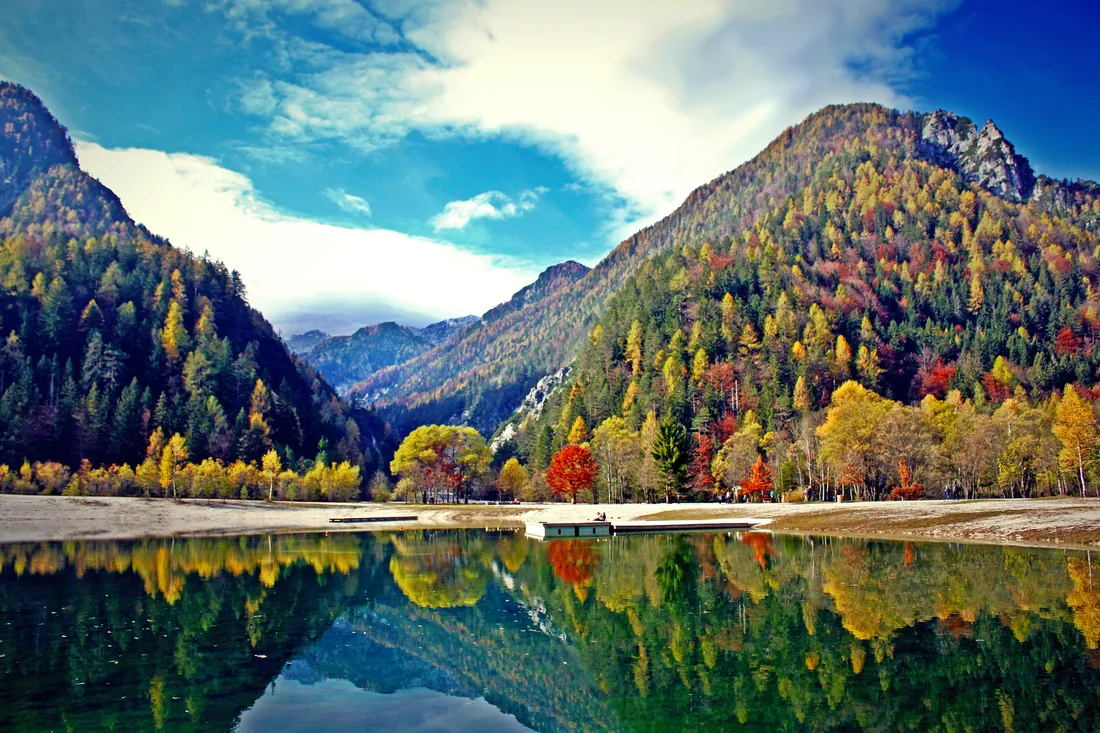
Ljubljana, Lake Bled, Postojna Cave and Goriška Brda, then Istria, the Plitvice Lakes and Split.
Balkan Extended: Ljubljana to Split, 9 daysFrom €2,990Venice and the glass island of Murano, then Ljubljana, Bled and the Karst before the Croatian coast.
Balkan Extended: Venice to Split, 11 daysFrom €3,745Budapest, Vienna and Prague, the lakes of Hallstatt and Salzburg, ending at Lake Bled and Ljubljana.
Imperial Cities and Alps (Budapest), 11 daysFrom €3,011Belgrade, then Ljubljana and Bled, and the Croatian coast from Istria to Dubrovnik.
Balkan Extended: Belgrade to Dubrovnik, 13 daysFrom €3,425These journeys include Slovenia, as small group departures, private journeys or tours on request.
No journey matches these filters. Talk to an expert and we will suggest one, or travel privately on your own dates.
One Experience More moment is part of our small group journeys through Slovenia.
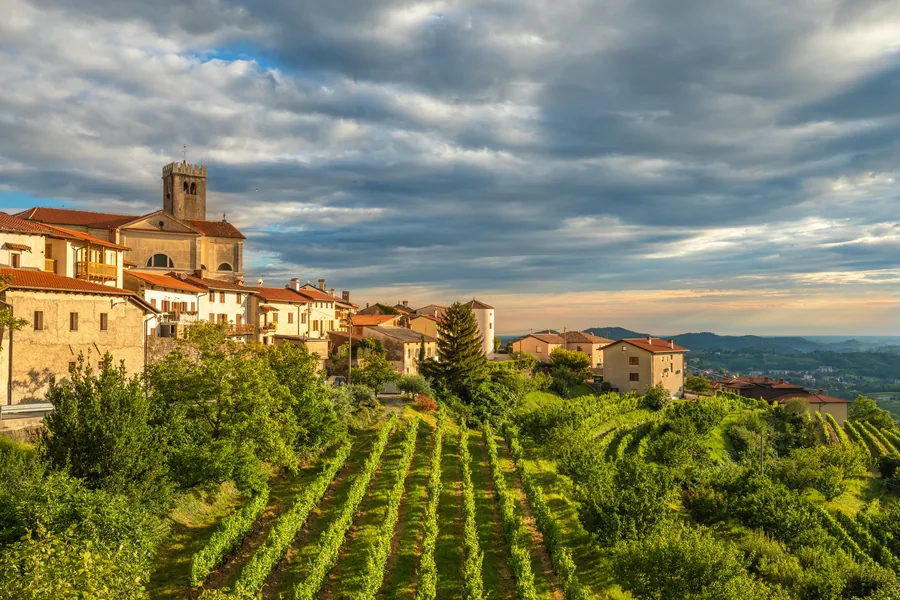
In Goriška Brda, the wine hills Slovenia shares with Italy, you visit Šmartno, a medieval village dating to the 14th century. At a local winery you taste the region's white wines, Rebula and Sauvignon.
On 8 journeys, including Balkan Extended: Belgrade to Dubrovnik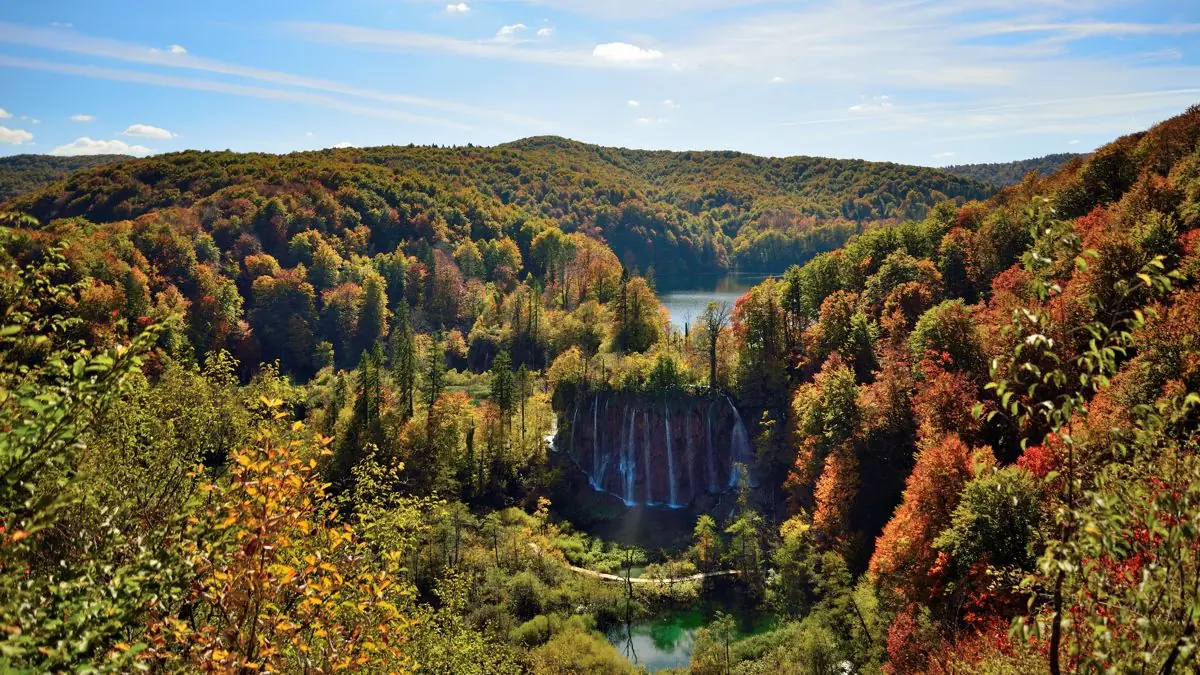
Why April to June and September to October are best for touring, and when summer and winter work.
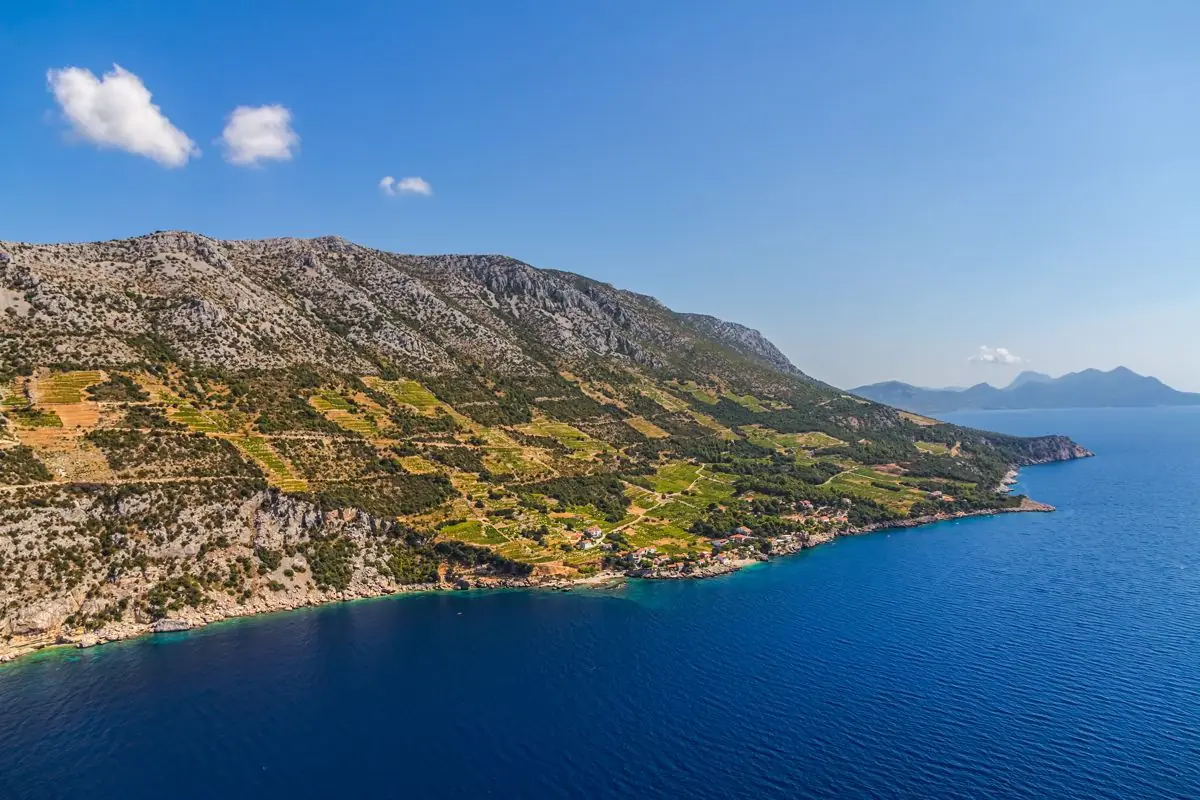
Which grapes and wine regions to know, country by country.
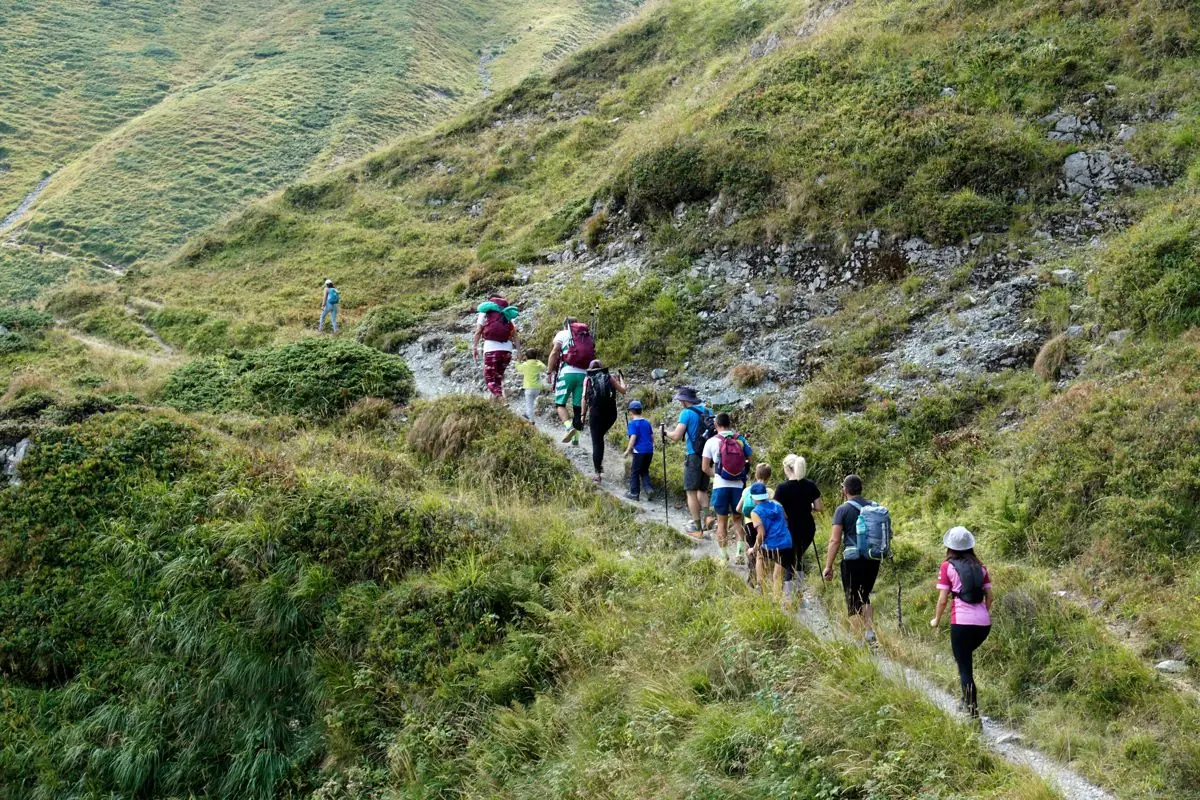
Which walks suit a sightseeing trip, and how to add an active day to a private journey.
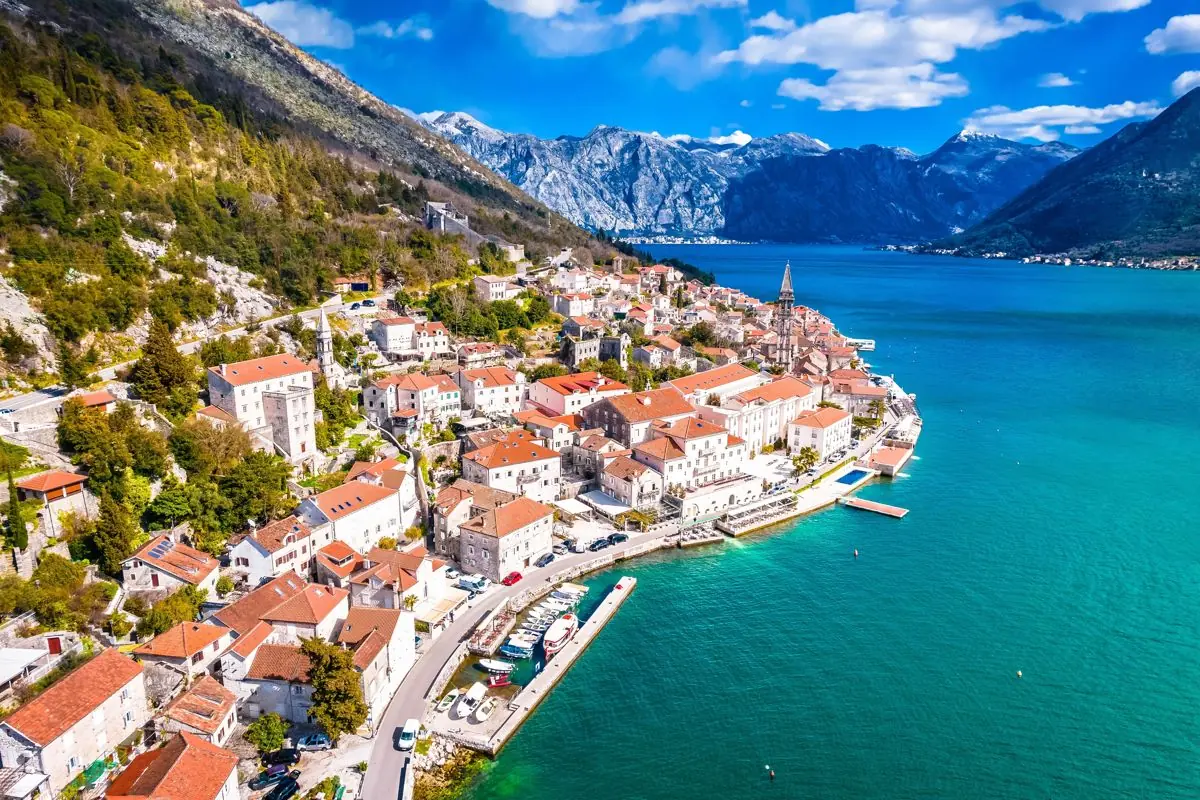
How many countries fit into 7, 10 or 14 days, with routes that work.
Yes. The US State Department rates Slovenia Level 1, its lowest advisory level, meaning normal precautions.
No. With a US passport you can stay up to 90 days in any 180-day period without a visa. Slovenia is part of the Schengen Area, so days here count toward your 90 Schengen days. Entry rules can change; check travel.state.gov before you travel.
Two or three days cover Ljubljana and Lake Bled. A week lets you add the Soča Valley, the Karst caves and the coast.
The euro, since 2007. Cards are accepted in hotels, restaurants and most shops.
Yes. English is widely spoken, especially in hotels, restaurants and tourist areas, and all our guides speak English.
Yes. Every small group journey through Slovenia is also available privately, on your own dates.
Any journey can be taken privately, on your own dates. Our team in the Balkans will shape it around you.