
Which UNESCO sites are in each Balkan country?
The sites most worth building a route around:
| Country | UNESCO World Heritage Sites |
|---|---|
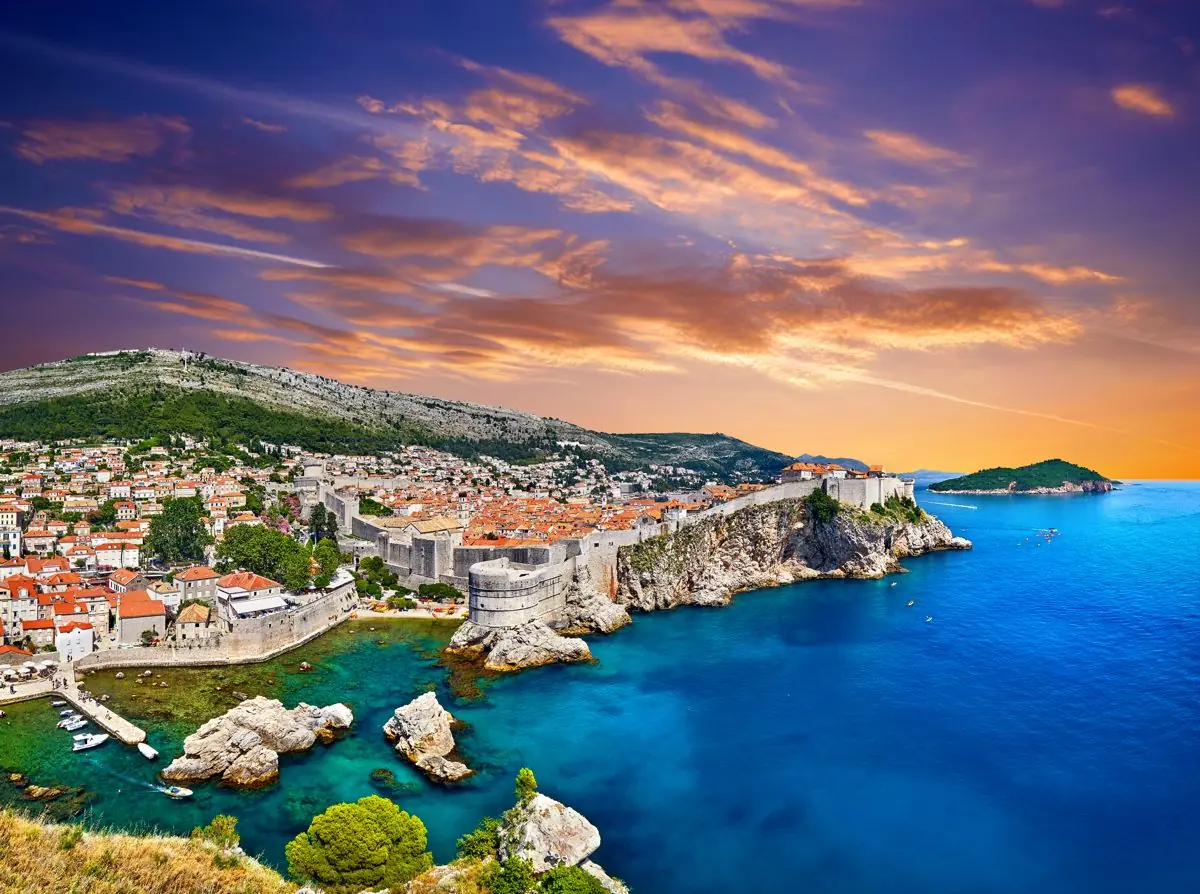
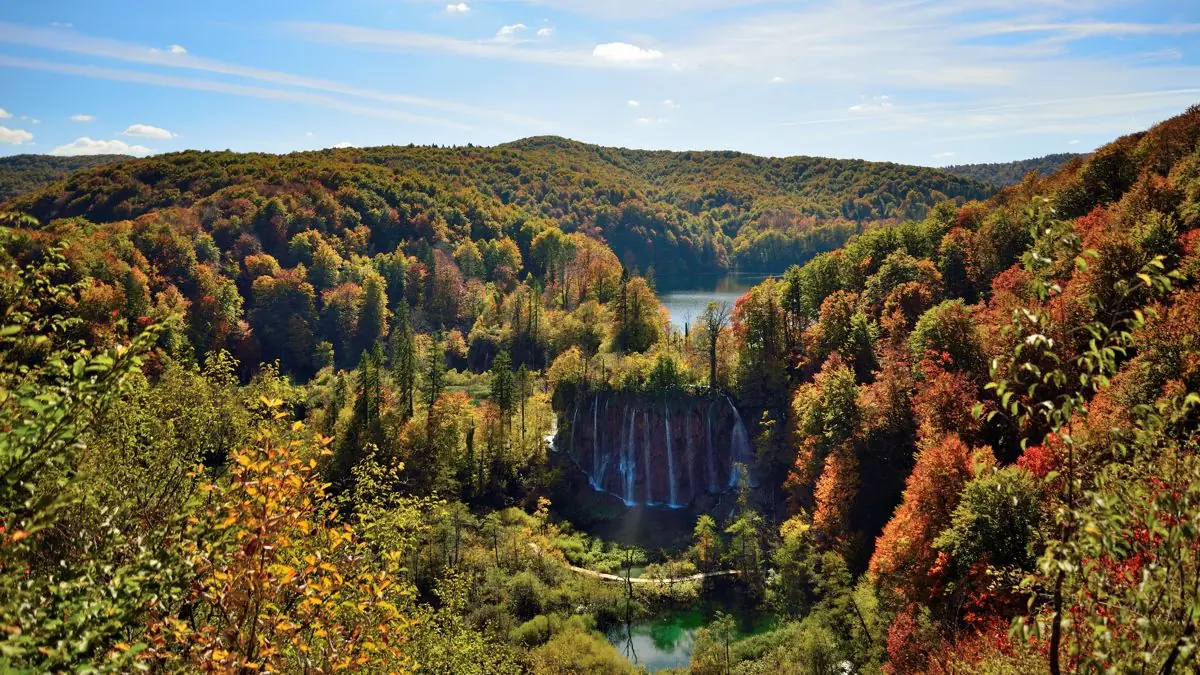
| Croatia | Old City of Dubrovnik; Diocletian’s Palace in Split; Plitvice Lakes; Trogir; Euphrasian Basilica in Poreč; Cathedral of St James in Šibenik; Stari Grad Plain on Hvar |
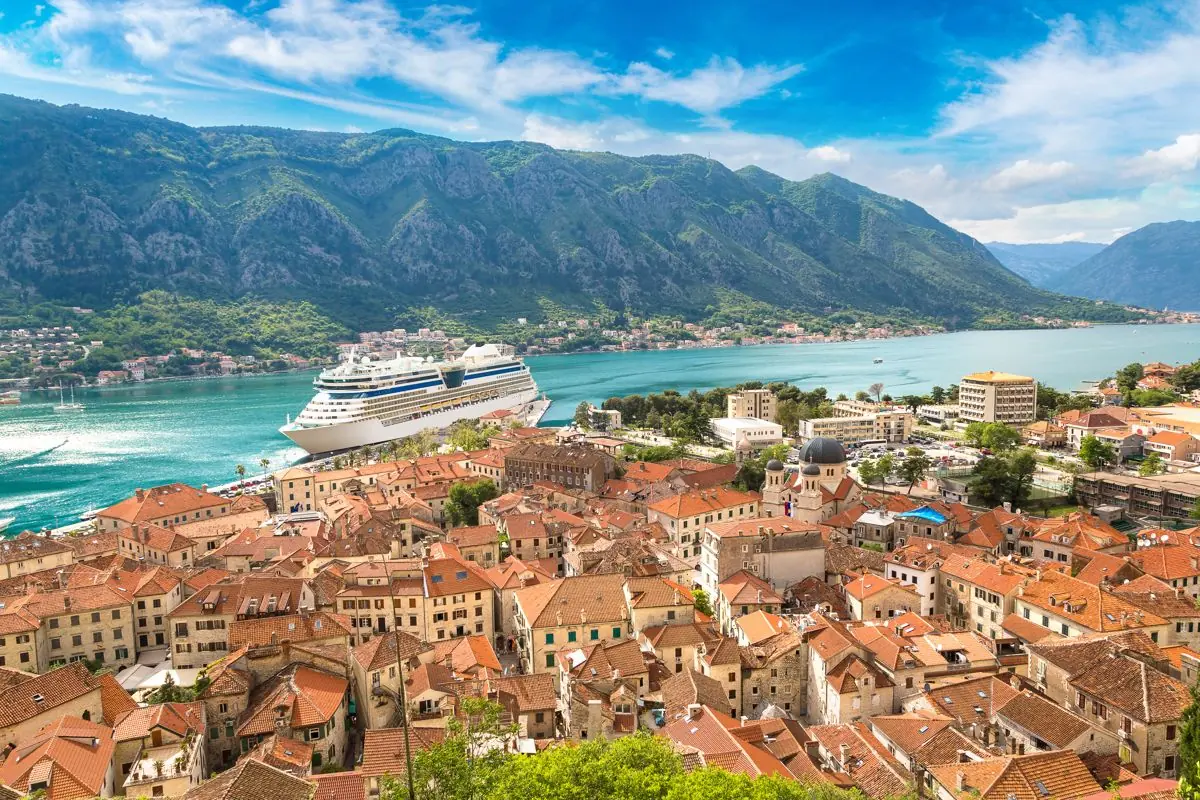
| Montenegro | Bay of Kotor; Durmitor National Park |
| Bosnia and Herzegovina | Old Bridge of Mostar; Mehmed Paša Sokolović Bridge in Višegrad |
| Serbia | Studenica Monastery; Stari Ras and Sopoćani; Gamzigrad-Romuliana; Medieval Monuments in Kosovo (Dečani, Gračanica, Peć) |
| Slovenia | Škocjan Caves; works of architect Jože Plečnik in Ljubljana |
| North Macedonia | Ohrid region (shared with Albania) |
| Albania | Butrint; Berat and Gjirokastër |
| Bulgaria | Rila Monastery; Boyana Church; Nessebar; Thracian Tomb of Kazanlak; Pirin National Park |
| Romania | Painted churches of Moldavia (Bukovina); fortified churches of Transylvania; Sighișoara; wooden churches of Maramureș; Danube Delta |
Which UNESCO sites should be on a first Balkan trip?
The ones on a logical route. On our classic Belgrade-to-Dubrovnik route you see Višegrad’s Ottoman bridge, Mostar, the Bay of Kotor and Dubrovnik without a single detour. On a Slovenia and Croatia trip, add Plitvice and Split. On a Romania and Bulgaria trip, Sighișoara, the fortified churches and Rila Monastery.
What makes the Balkan sites different?
Many are still lived in. Around 3,000 people live inside Diocletian’s Palace in Split, the old towns of Kotor and Berat are working neighborhoods, and Studenica and Rila are active monasteries with monks. You are visiting places, not museums.
What is the intangible heritage of the Balkans?
UNESCO also protects living traditions: songs, dances, crafts and food. In Serbia these include the kolo, the circle dance performed at weddings and celebrations, and the knowledge of making šljivovica, the plum brandy. Across the region there are others, from Croatian lacemaking to Bulgarian and Romanian spring customs. On our journeys guests meet these traditions where they are still practiced, in a village or at a family table, rather than on a stage.
How do you avoid crowds at UNESCO sites?
Go early or late. Dubrovnik and Kotor are busiest between 10 a.m. and 4 p.m., when cruise ships are in port; we walk the walls first thing in the morning. Plitvice is quietest in the first hour after opening. Outside July and August, most other sites are never crowded.
FAQ
How many UNESCO sites are in the Balkans?
It depends which countries you count; the nine we cover have more than 50 between them, including shared and natural sites.
Is Mostar a UNESCO site?
Yes. The Old Bridge area of Mostar was inscribed in 2005, after the bridge was rebuilt.
Is Lake Bled a UNESCO site?
No, although it is Slovenia’s most visited place. The UNESCO sites in Slovenia include the Škocjan Caves and Plečnik’s Ljubljana.
Are the UNESCO sites included in your tours?
Many are. Each tour page lists the sites on that route.
Next step
See our journeys through Croatia, Montenegro and Bosnia, or talk to our team in the Balkans about a route built around heritage.
Get the free planning guide
Our team in the Balkans sends the guide as a PDF, then one short newsletter a month.