
Which countries are in the Balkans?
There is no official list. Geographers argue about the edges of the peninsula, so Slovenia and Romania are sometimes left out and Greece is sometimes added. For planning a trip, it helps to think of the nine countries below, which share borders, history and easy road connections.
| Country | Capital | Currency | EU and Schengen |
|---|---|---|---|
| Serbia | Belgrade | Serbian dinar (RSD) | No |
| Croatia | Zagreb | Euro | Yes |
| Slovenia | Ljubljana | Euro | Yes |
| Bosnia and Herzegovina | Sarajevo | Convertible mark (BAM) | No |
| Montenegro | Podgorica | Euro | No |
| North Macedonia | Skopje | Macedonian denar (MKD) | No |
| Albania | Tirana | Albanian lek (ALL) | No |
| Bulgaria | Sofia | Euro | Yes |
| Romania | Bucharest | Romanian leu (RON) | Yes |
Why is it called the Balkans?
The name comes from the Balkan Mountains in Bulgaria. “Balkan” is a Turkish word for a chain of wooded mountains, and in the 19th century European geographers used it for the whole peninsula.
Is the Balkans one country?
No. The Balkans is a region, like Scandinavia, not a country. Each country has its own government, border controls and, in most cases, its own currency and language. On our 12-day Balkan Essentials journey, for example, guests visit four countries and use three currencies: the Serbian dinar, the Bosnian convertible mark and the euro.
Why visit the Balkans?
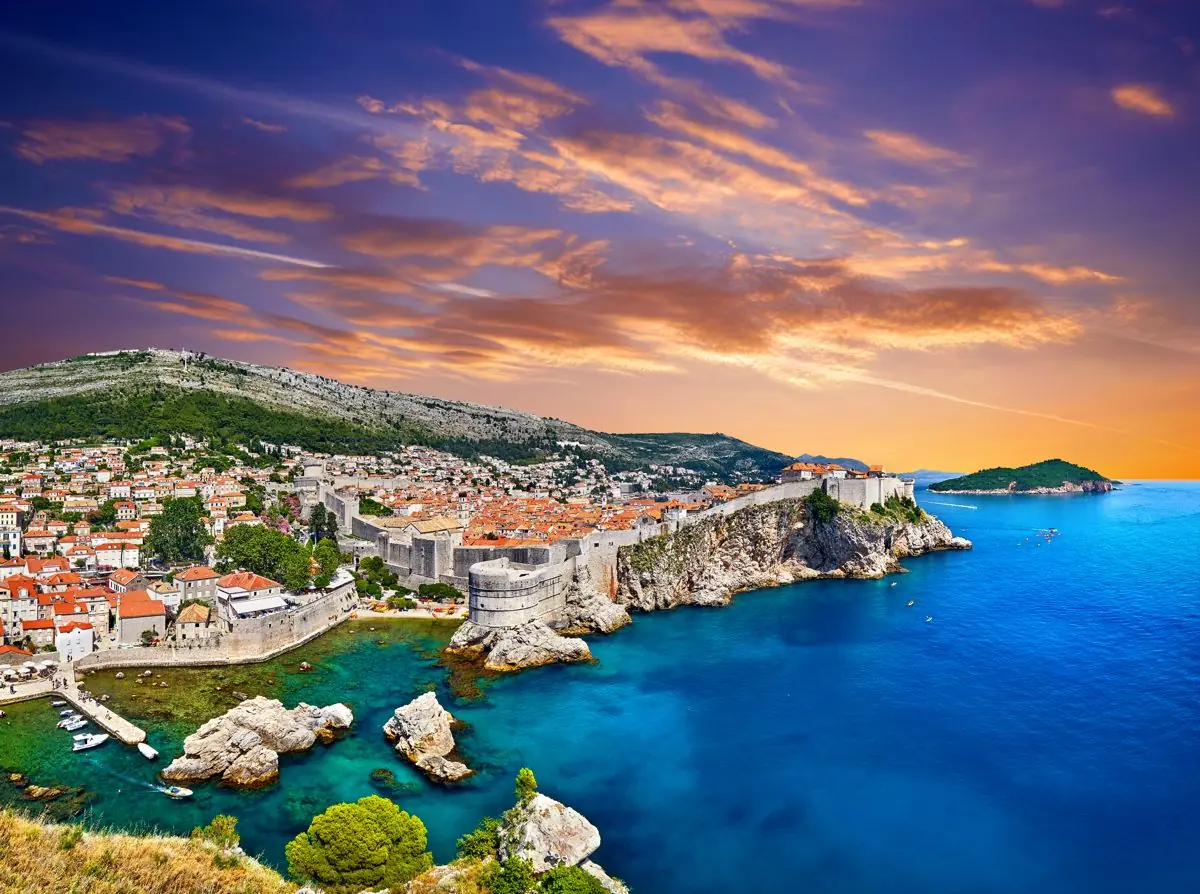
Because few parts of Europe pack so much variety into such short distances. In two weeks you can see Roman palaces, Byzantine monasteries, Ottoman bazaars and Austro-Hungarian boulevards, and still have time for the Adriatic coast.
- Layers of history you can walk through: Diocletian’s Palace in Split is a Roman emperor’s retirement home that people still live in; Sarajevo’s old bazaar and Mostar’s bridge come from the Ottoman centuries; Novi Sad and Ljubljana look like Vienna in miniature.
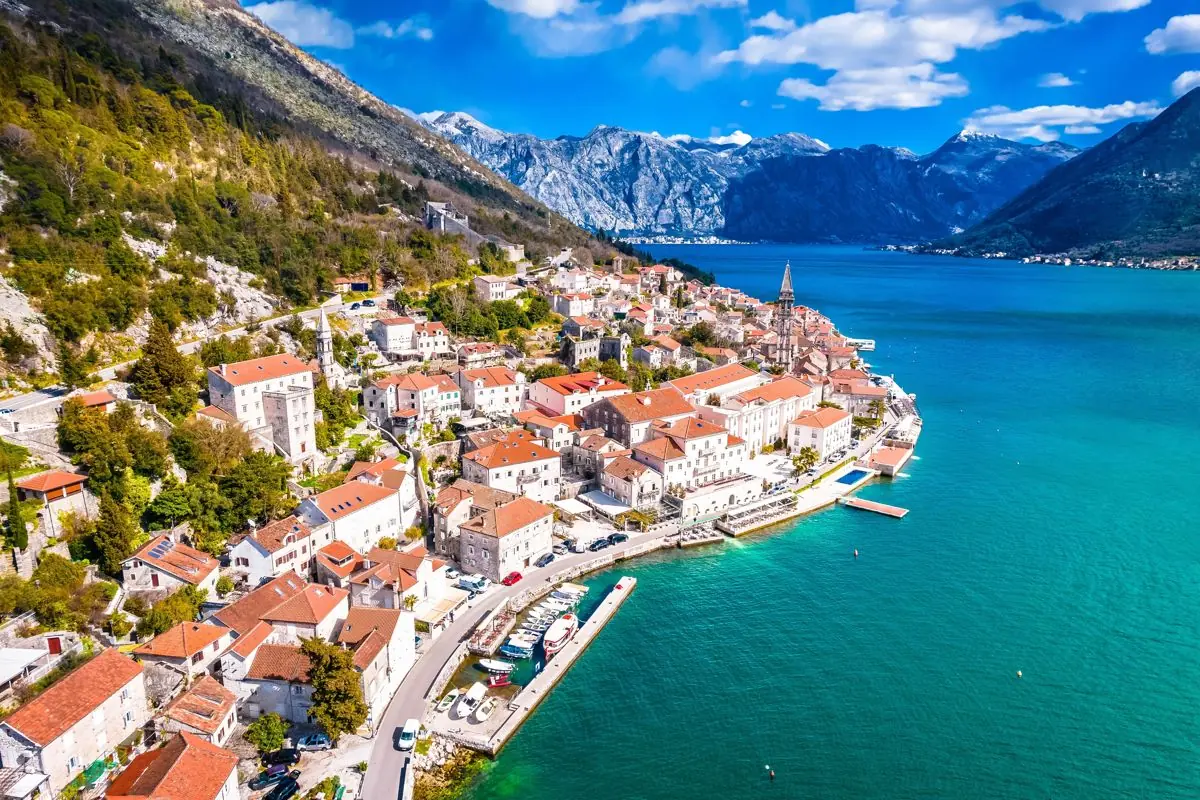
- Coast and mountains in one trip: the Bay of Kotor in Montenegro sits under mountains that rise straight from the sea, two hours’ drive from Dubrovnik.
- Food and wine with the people who make them: family wineries in Goriška Brda in Slovenia and Fruška Gora in Serbia, coffee in a Sarajevo café, lunch with a farming family in rural Bulgaria.
- Fewer crowds than Western Europe: outside Dubrovnik, Split and Lake Bled in high summer, most places our guests visit are never crowded.
What languages are spoken in the Balkans?
Serbian, Croatian, Bosnian and Montenegrin are close enough that speakers understand each other without effort. Slovenian, Macedonian and Bulgarian are related Slavic languages, while Albanian and Romanian are entirely different. English is widely spoken in hotels, restaurants and anywhere tourism is established. Serbia, Montenegro, North Macedonia and Bulgaria use the Cyrillic alphabet, though signs in tourist areas are usually also in Latin script.
Is the Balkans in the European Union?
Partly. Slovenia, Croatia, Bulgaria and Romania are EU members and part of the Schengen Area. Serbia, Bosnia and Herzegovina, Montenegro, North Macedonia and Albania are not, so you pass a passport check when you enter or leave them. For US travelers this rarely changes anything except the time spent at a border.
How do you see several Balkan countries in one trip?
By choosing neighbors and giving each one enough time. A good 10 to 12-day trip covers three or four countries; more than that and the trip becomes mostly driving. Our most popular combinations are Serbia, Bosnia and Herzegovina, Montenegro and Croatia, or Serbia, Romania and Bulgaria. See Balkan Itineraries for routes that work.
FAQ
Is Greece part of the Balkans?
Geographically, yes: mainland Greece lies on the Balkan Peninsula. Culturally, Greeks usually see themselves as Mediterranean. Northern Greece is easy to add to a trip through North Macedonia or Bulgaria.
Is Slovenia part of the Balkans?
Slovenia lies at the northwest edge of the region and is often counted with it, but it feels closer to Austria and northern Italy. We include it because it combines naturally with Croatia.
Is Turkey part of the Balkans?
Only the small European part around Istanbul, known as Eastern Thrace.
Is the Balkans safe to visit?
Yes. See Is the Balkans Safe? for the details.
Next step
See our small group journeys through the Balkans, or talk to our team in the Balkans about the right combination of countries for you.
Get the free planning guide
Our team in the Balkans sends the guide as a PDF, then one short newsletter a month.