
The nine countries at a glance
| Country | Best for | Combines with | Days we suggest |
|---|---|---|---|
| Serbia | Belgrade, monasteries, wine, the Danube | Bosnia, Montenegro, Romania | 3–7 |
| Croatia | Dubrovnik, Split, the islands, Istria | Slovenia, Montenegro, Bosnia | 5–10 |
| Slovenia | Lake Bled, Ljubljana, wine country | Croatia | 3–5 |
| Bosnia and Herzegovina | Sarajevo, Mostar, cultural crossroads | Serbia, Croatia, Montenegro | 3–4 |
| Montenegro | The Bay of Kotor, mountains, coast | Croatia, Bosnia, Albania | 3–4 |
| North Macedonia | Lake Ohrid, monasteries | Albania, Bulgaria, Serbia | 2–4 |
| Albania | Berat, Gjirokastër, the Riviera | Montenegro, North Macedonia | 4–7 |
| Bulgaria | Rila Monastery, Plovdiv, villages | Romania, North Macedonia | 4–6 |
| Romania | Transylvania, painted monasteries | Bulgaria, Serbia | 6–10 |
Which Balkan country is best for a first visit?
There is no single best country; there is a best combination. For a first trip we usually suggest Serbia, Bosnia and Herzegovina, Montenegro and Croatia: in 10 to 12 days it covers capitals, Ottoman old towns, the Bay of Kotor and Dubrovnik. Travelers who have already seen Croatia often enjoy Romania and Bulgaria most.
Serbia
Serbia is the crossroads of the Balkans and where most of our journeys begin. Belgrade has nonstop flights from New York and Chicago, and within a few hours’ drive are medieval monasteries, the Danube gorge at the Iron Gates and family wineries in Fruška Gora and Šumadija. Read more: Serbia.
Croatia
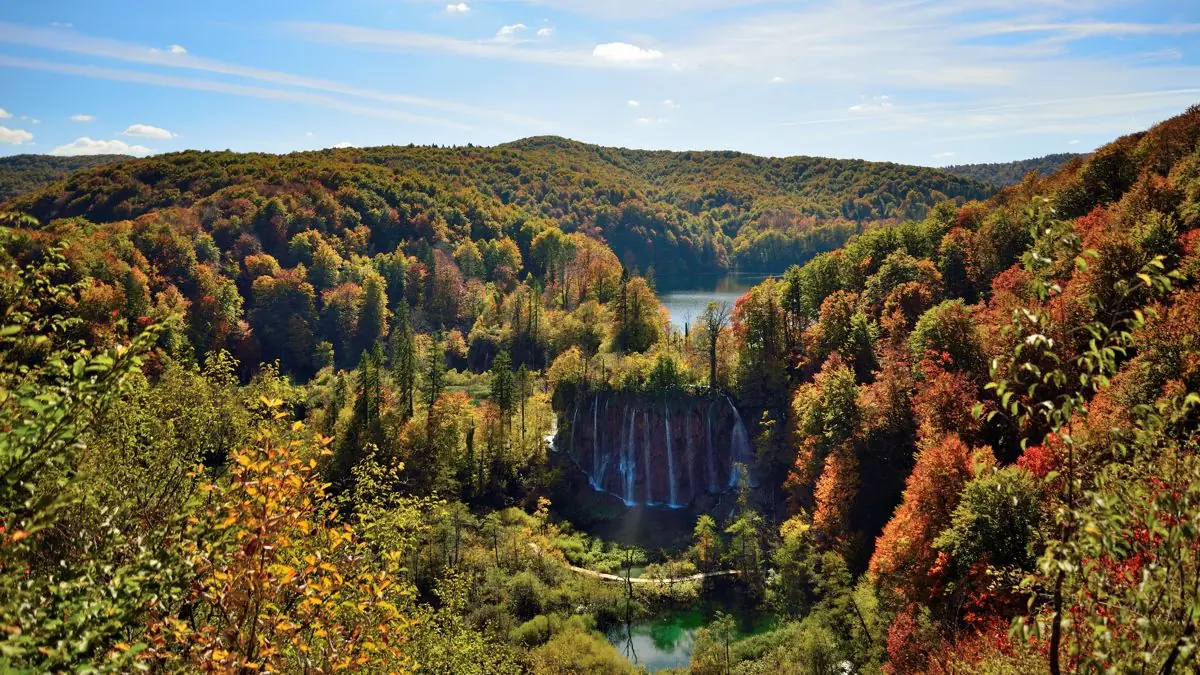
Croatia is the best-known Balkan country, and for good reason: Dubrovnik and Split are two of the finest historic towns on the Mediterranean. Beyond the coast, Istria is a region of hill towns, truffles and olive oil, and the Plitvice Lakes are a chain of 16 lakes joined by waterfalls. Read more: Croatia.
Slovenia
Slovenia is small, green and easy: Ljubljana, Lake Bled and the caves of the Karst are all within an hour or so of each other. In Goriška Brda, on the Italian border, our guests walk through the vineyards with the winemaker before the tasting. Read more: Slovenia.
Bosnia and Herzegovina
Bosnia and Herzegovina explains the Balkans better than any other country. In Sarajevo, a mosque, an Orthodox church, a Catholic cathedral and a synagogue stand within a few minutes’ walk of each other, and Mostar’s Old Bridge is one of the region’s great images. The country is best understood through its people, often over a Bosnian coffee. Read more: Bosnia and Herzegovina.
Montenegro
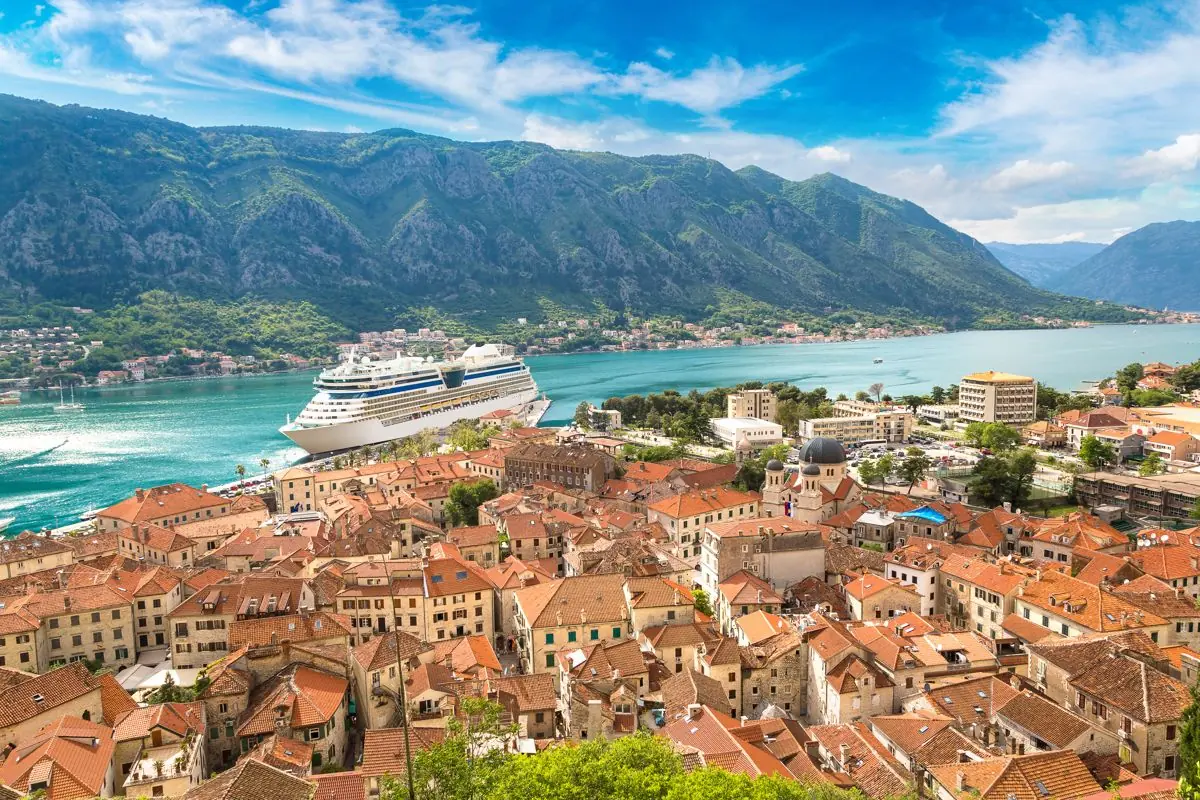
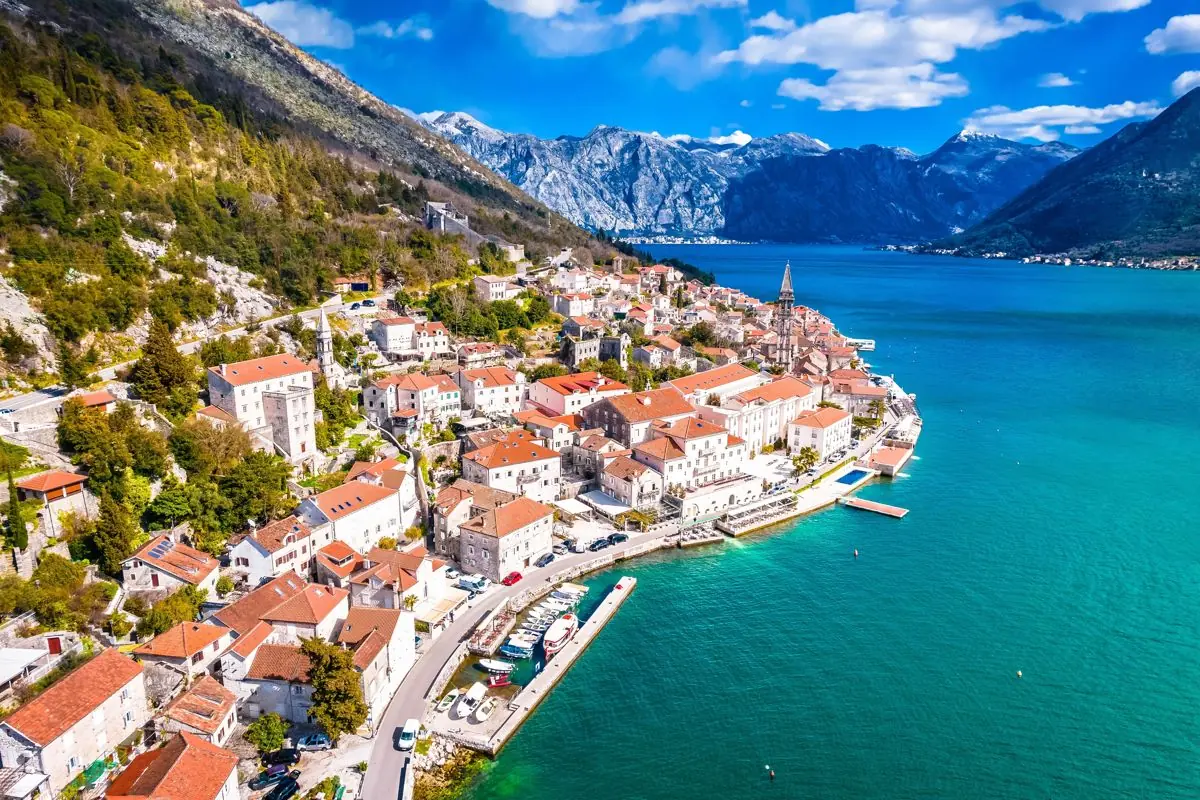
Montenegro packs coast and high mountains into a country smaller than Connecticut. The Bay of Kotor, a UNESCO World Heritage Site, is the highlight; Lake Skadar and Durmitor National Park are a few hours inland. It is two hours by road from Dubrovnik, so it fits easily into a Croatian trip. Read more: Montenegro.
North Macedonia
North Macedonia is one of the least visited and most rewarding countries in the region. Lake Ohrid, with its churches and monasteries on the shore, is the centerpiece; Skopje adds an old Ottoman bazaar and a lively new center. Experiences here still feel personal rather than staged. Read more: North Macedonia.
Albania
Albania has changed faster than any country in the region over the last decade, while keeping its tradition of hospitality. Berat and Gjirokastër are Ottoman-era stone towns on the UNESCO list, and the ruins of Butrint sit near a coastline that rivals Greece. Read more: Albania.
Bulgaria
Bulgaria combines Orthodox monasteries, Thracian and Roman history and a strong village culture. Rila Monastery and the old town of Plovdiv are the best-known sights, but a meal with a family in the countryside often tells guests more about the country. Read more: Bulgaria.
Romania
Romania is the largest country in the region and needs the most time. Transylvania’s Saxon towns and fortified churches, the painted monasteries of Bukovina and the wooden churches of Maramureș are all on the UNESCO list, and village life there is still lived rather than staged for visitors. Give it at least six days. Read more: Romania.
Which Balkan countries go well together?
Neighbors, combined in a logical line. These four combinations work best:
| Combination | Why it works | Days |
|---|---|---|
| Serbia, Bosnia and Herzegovina, Montenegro, Croatia | The classic first trip, from Belgrade to Dubrovnik | 10–13 |
| Slovenia and Croatia | Alps, wine country and the Adriatic, with short drives | 8–12 |
| Serbia, Romania, Bulgaria | Orthodox heritage, Transylvania and village life | 12–14 |
| North Macedonia, Albania, Montenegro | Lake Ohrid, Ottoman towns and the southern Adriatic | 10–12 |
How many Balkan countries can you visit in one trip?
Three or four in 10 to 14 days. You can see more, but every added country means another border and another long drive, and less time where you are. We would rather our guests spend two nights in Sarajevo than one night in two more places.
FAQ
Which Balkan countries use the euro?
Slovenia, Croatia, Montenegro and Bulgaria. See Currency in the Balkans.
Which Balkan countries are in the EU?
Slovenia, Croatia, Bulgaria and Romania.
Do I need a visa for the Balkan countries?
Not as a US citizen for a tourist stay. See Visas, Travel Documents and Insurance.
Which is the least touristy Balkan country?
Of the nine, North Macedonia and Bulgaria see the fewest visitors, which is part of their appeal.
Next step
Open any country page for its journeys and highlights, or talk to our team in the Balkans about which countries suit you.
Get the free planning guide
Our team in the Balkans sends the guide as a PDF, then one short newsletter a month.