Where can you see Ottoman heritage in the Balkans?
| Place | Country | What to see |
|---|---|---|
| Sarajevo | Bosnia and Herzegovina | Baščaršija bazaar, Gazi Husrev-beg Mosque, the Sebilj fountain |
| Mostar | Bosnia and Herzegovina | The Old Bridge, Ottoman houses, the Koski Mehmed-paša Mosque |
| Višegrad | Bosnia and Herzegovina | The Mehmed Paša Sokolović Bridge over the Drina |
| Počitelj and Blagaj | Bosnia and Herzegovina | A stone hillside village and a dervish house at a river spring |
| Skopje | North Macedonia | The Old Bazaar, the Stone Bridge, caravanserais |
| Berat and Gjirokastër | Albania | Ottoman-era stone towns on the UNESCO list |
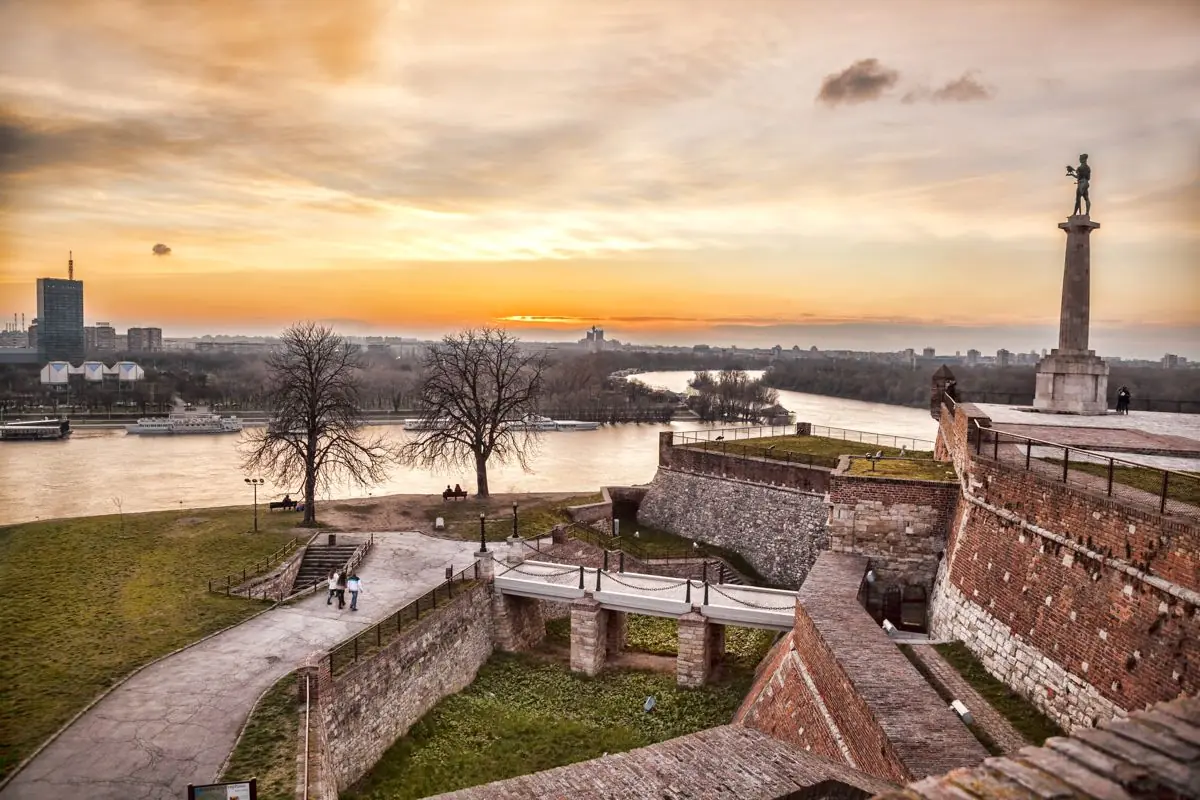
| Belgrade | Serbia | Belgrade Fortress and the Bajrakli Mosque |
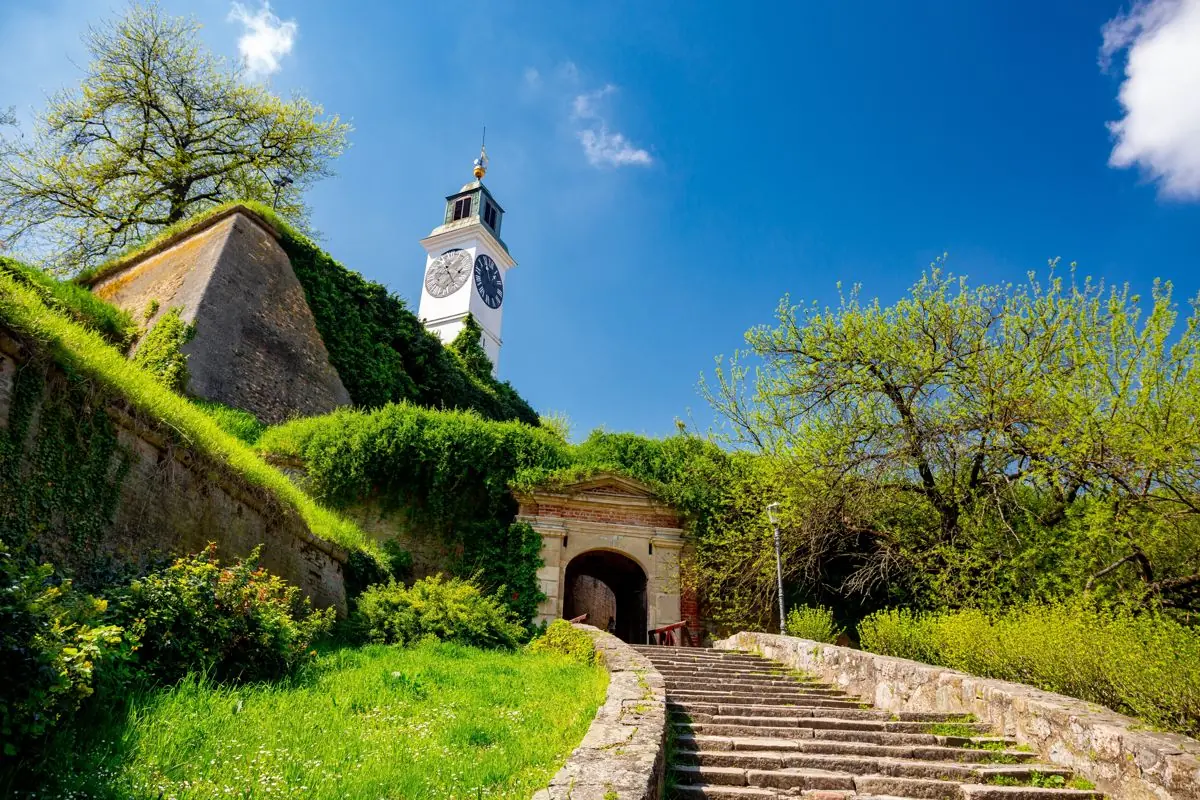
| Niš | Serbia | The fortress and the Skull Tower, a memorial to the uprising of 1809 |
Why is Mostar’s Old Bridge so famous?
Because of its beauty and its story. Built in 1566 by the Ottoman architect Mimar Hayruddin, its single stone arch stood for 427 years, until it was destroyed in 1993 during the war. It was rebuilt with original techniques and reopened in 2004, and in 2005 the Old Bridge area was added to the UNESCO list as a symbol of reconciliation. In summer, local divers jump from it into the cold Neretva, about 70 feet (21 m) below.
What is the bridge on the Drina?
The Mehmed Paša Sokolović Bridge in Višegrad, completed in 1577 by Mimar Sinan, the greatest Ottoman architect. It inspired Ivo Andrić’s novel The Bridge on the Drina, which helped him win the Nobel Prize in Literature in 1961. It lies on the road from Serbia to Sarajevo, and our journeys on that route stop there.
How does Ottoman heritage live on today?
In daily life more than in monuments. Coffee brewed in a džezva, ćevapi, burek and baklava, words like čaršija (market street), sokak (lane) and ćuprija (bridge), and the habit of long conversations over coffee all date from the Ottoman centuries. In Bosnia and Albania, many people are Muslim, and the call to prayer is part of the sound of the old towns.
FAQ
Can you visit mosques?
Yes, outside prayer times. Dress modestly, remove your shoes, and women should cover their hair; scarves are often available at the door.
What is Baščaršija?
Sarajevo’s old bazaar, a grid of craft streets around a central square, with coppersmiths, cafés and ćevapi shops.
When do the Mostar divers jump?
Mostly in summer, when crowds gather; there is also an annual diving competition.
Is Ottoman heritage a sensitive topic?
Views differ across the region; our guides explain it from several perspectives.
Next step
See our journeys through Sarajevo and Mostar, or read Coffee Culture and Bosnian Cuisine.