
Serbia
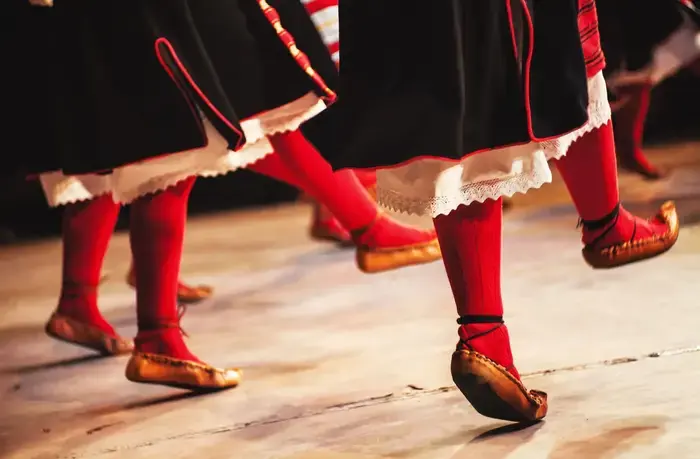
The kolo
The circle dance of weddings and village feasts, still danced at every celebration.
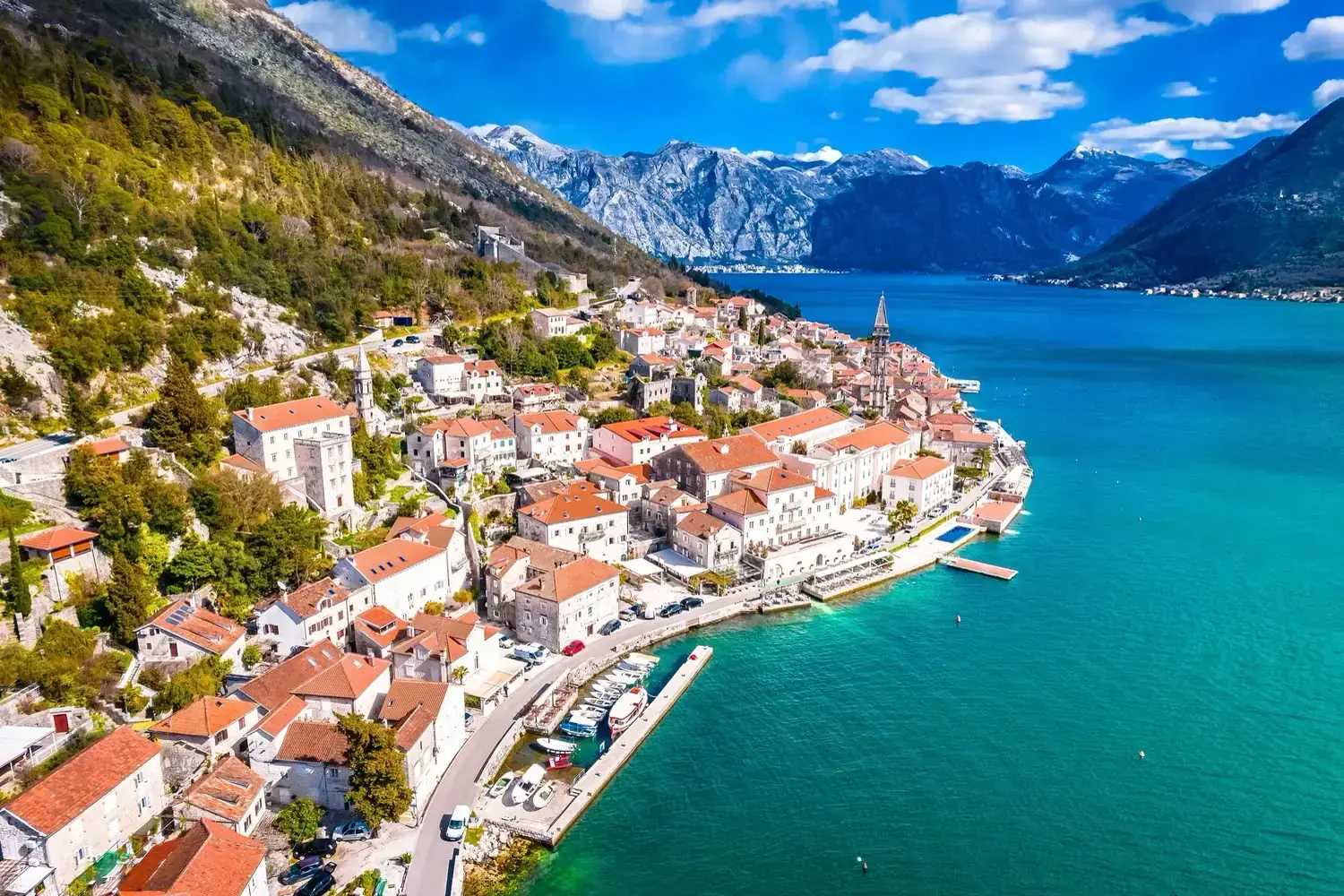
The heritage of the Balkans is not only in stone. The nine countries we cover hold dozens of UNESCO World Heritage Sites, from Roman palaces and walled cities to monasteries, bridges and lakes. Around them lives a second heritage: dances, songs, crafts and recipes that UNESCO also protects, and that people still practice today.
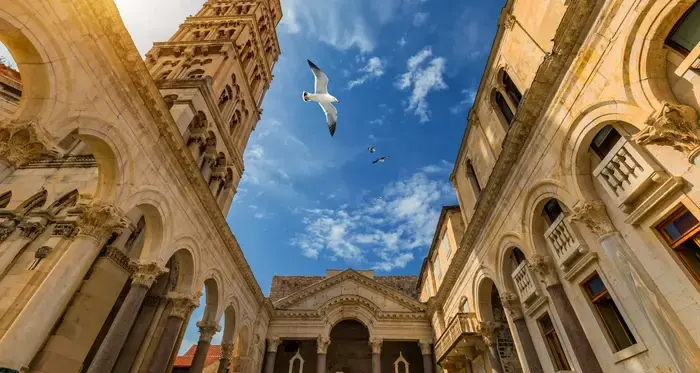
We plan journeys around both. Many of the world heritage sites are still lived in: around three thousand people live inside Diocletian’s Palace in Split, and Kotor and Berat are working towns. The living heritage you meet the way we meet it ourselves: at a family table, in a workshop or at a village celebration.
A whole journey built around heritage, or heritage days added to any trip.
A few of the UNESCO World Heritage Sites on our journeys, at least one in every country we cover.
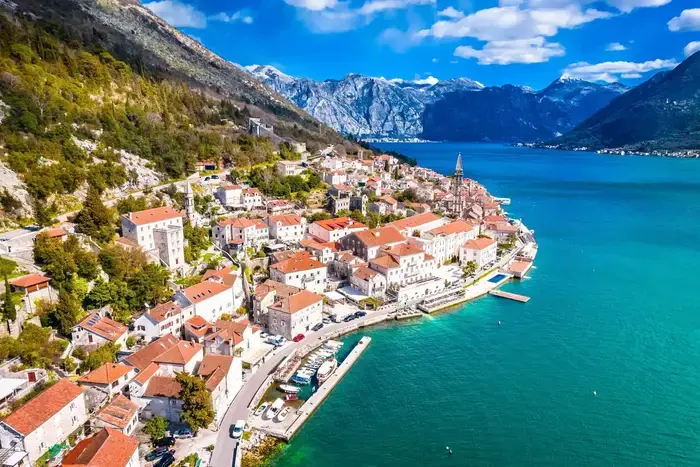
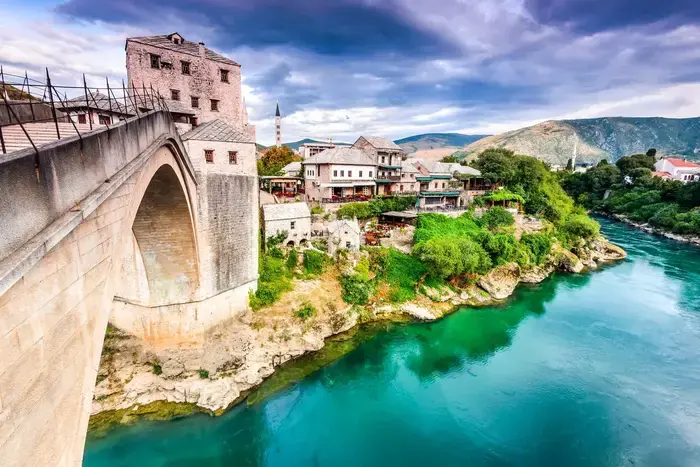
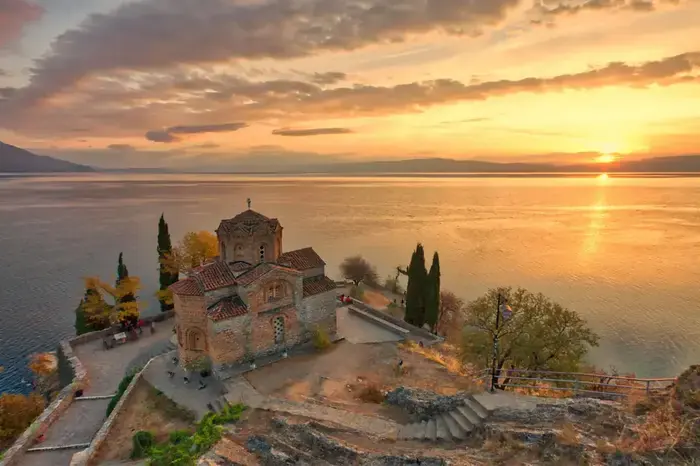
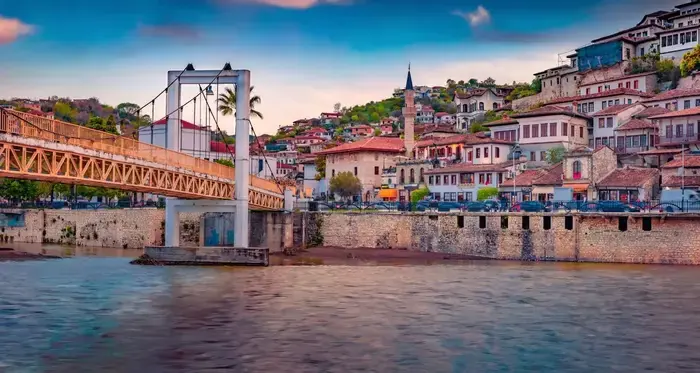
| Country | UNESCO World Heritage Sites |
|---|---|
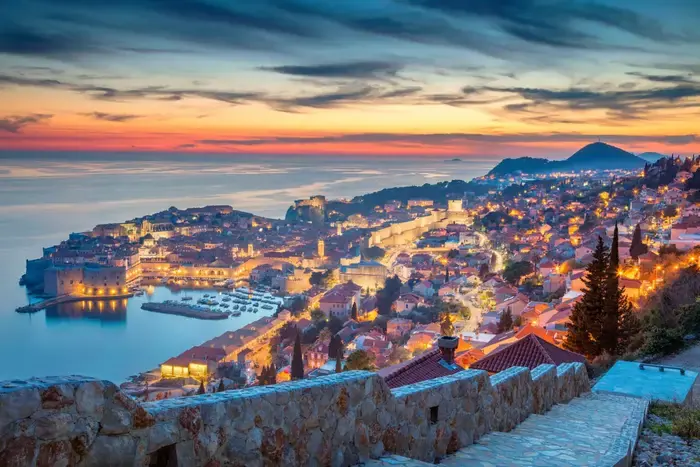
| Croatia | Old City of Dubrovnik; Diocletian’s Palace in Split; Plitvice Lakes; Trogir; Euphrasian Basilica in Poreč; Cathedral of St James in Šibenik; Stari Grad Plain on Hvar |
| Montenegro | Bay of Kotor; Durmitor National Park |
| Bosnia and Herzegovina | Old Bridge of Mostar; Mehmed Paša Sokolović Bridge in Višegrad |
| Serbia | Studenica Monastery; Stari Ras and Sopoćani; Gamzigrad-Romuliana; the medieval monasteries of Kosovo and Metohija |
| Slovenia | Škocjan Caves; works of architect Jože Plečnik in Ljubljana |
| North Macedonia | Ohrid region (shared with Albania) |
| Albania | Butrint; Berat and Gjirokastër |
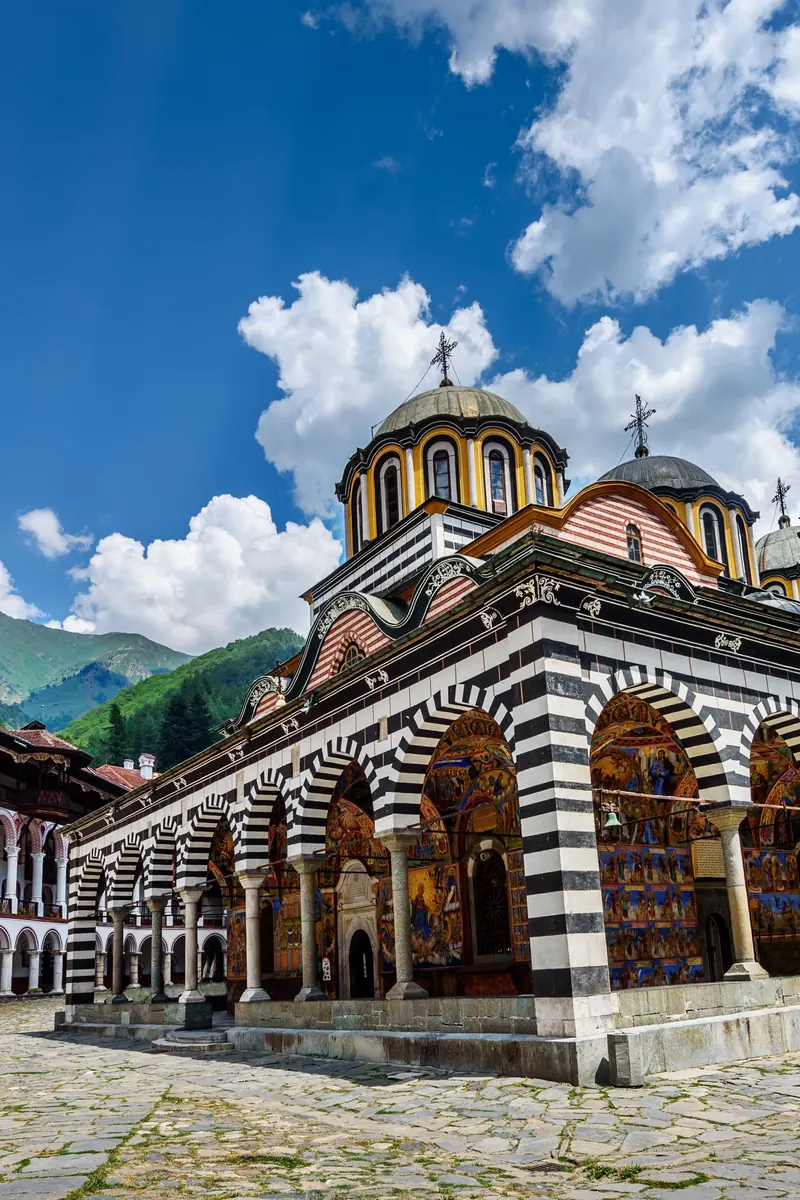
| Bulgaria | Rila Monastery; Boyana Church; Nessebar; Thracian Tomb of Kazanlak; Pirin National Park |
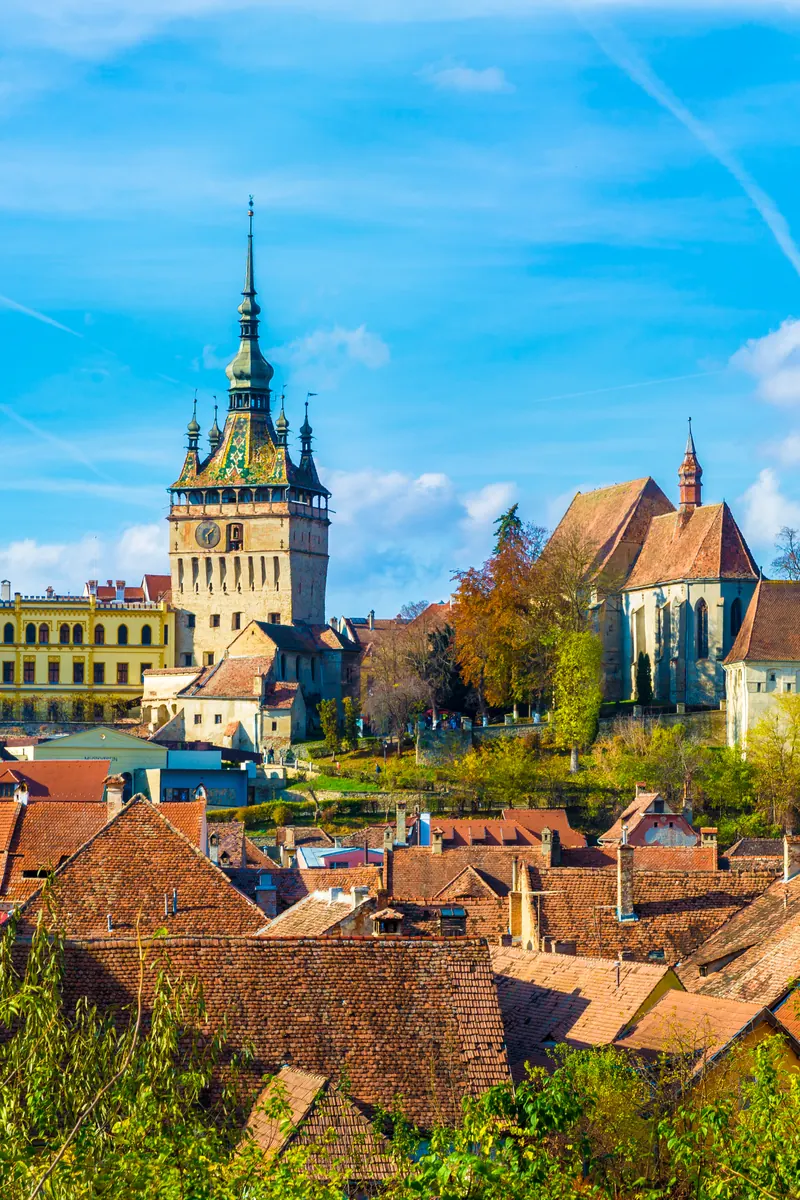
| Romania | Painted churches of Moldavia (Bucovina); fortified churches of Transylvania; Sighișoara; wooden churches of Maramureș; Danube Delta |
UNESCO also protects living traditions. Here they are part of everyday life, and many of them are part of our Experience More moments.
The circle dance of weddings and village feasts, still danced at every celebration.
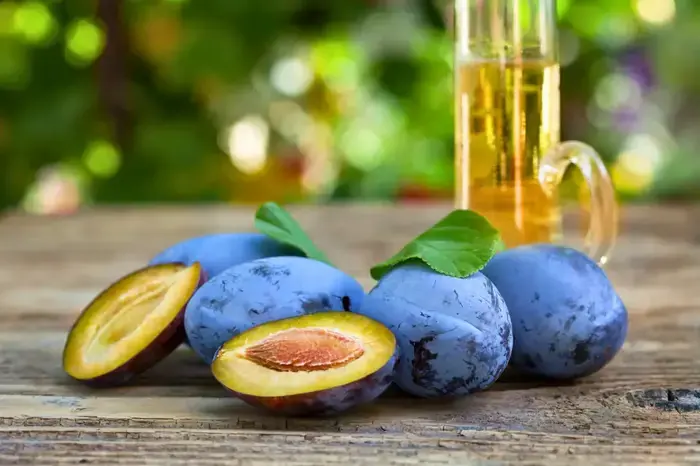
The knowledge of making plum brandy, shared over a glass at a family table.
Epic poems sung to a one-stringed instrument, as they were for centuries.
Dalmatian a cappella harmony, heard in stone courtyards and churches.
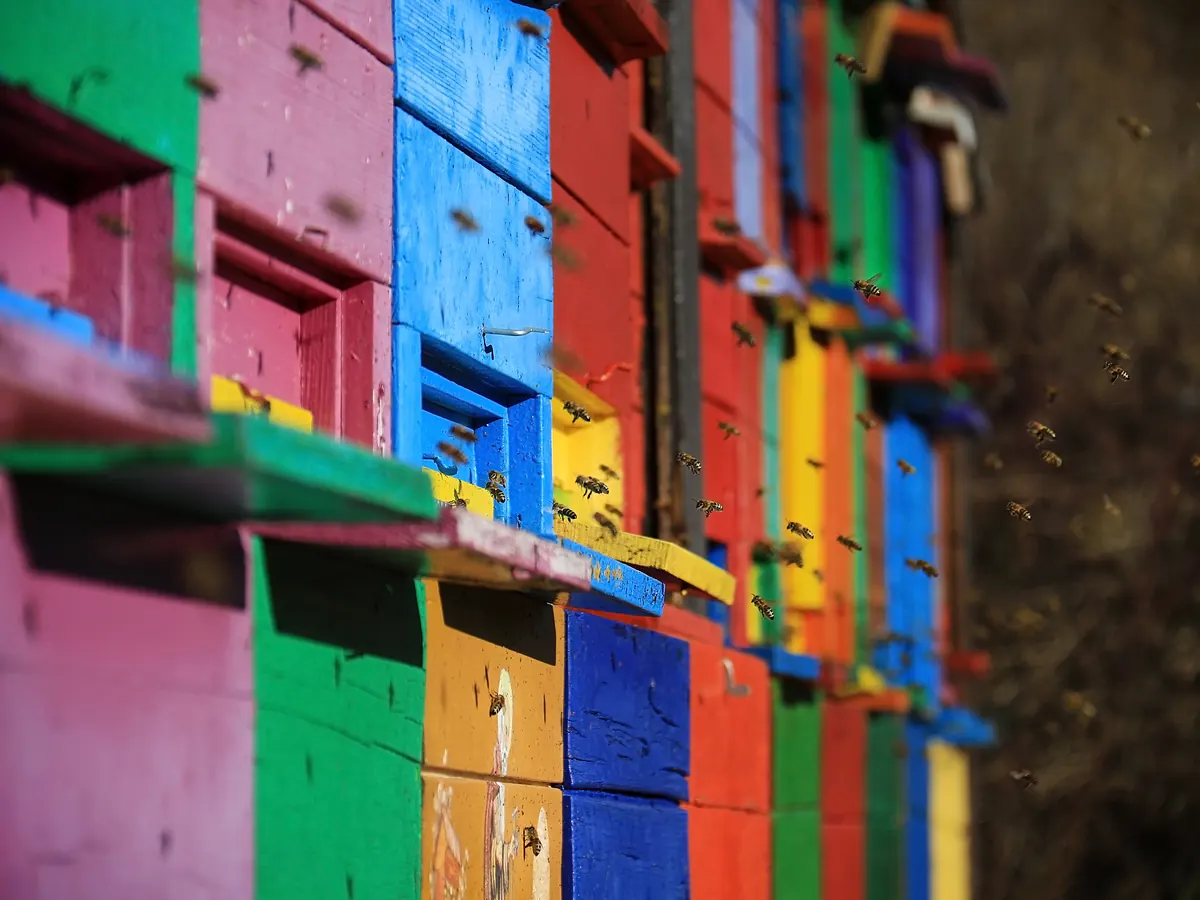
A whole way of life around the bee, with painted hive fronts and honey tastings.
Konjic woodcarving and the embroidery of Zmijanje, made by hand today.
Ancient folk polyphony of southern Albania, sung by village choirs.
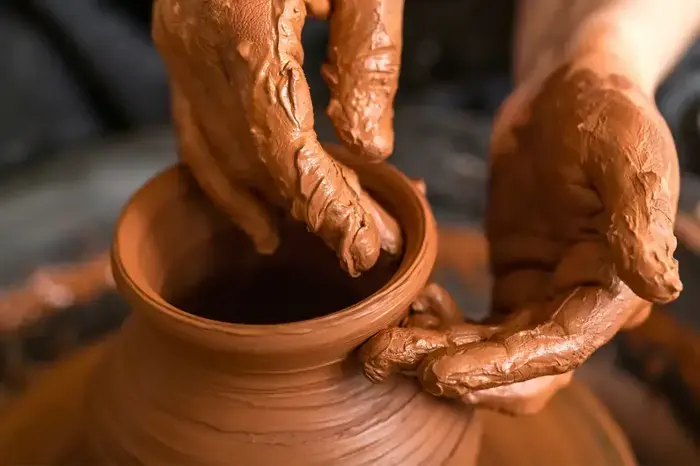
Pottery painted with the same patterns for generations, in workshops you can visit.
Small group journeys that already include many World Heritage Sites. Each also runs privately, and can take extra heritage days before, after or along the way.
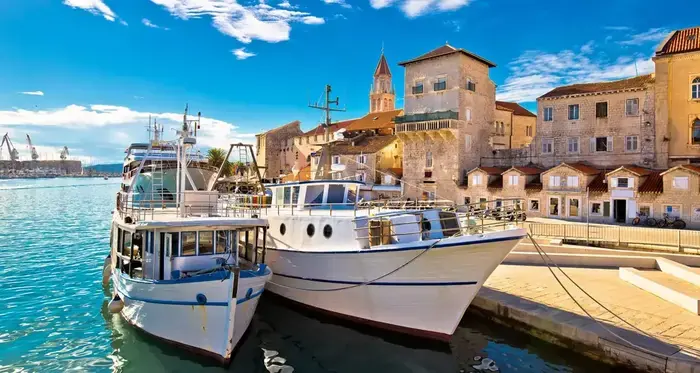
Višegrad’s bridge, Mostar, Kotor, Dubrovnik and Plitvice, with šljivovica on the way.
Also available privately, with add-on days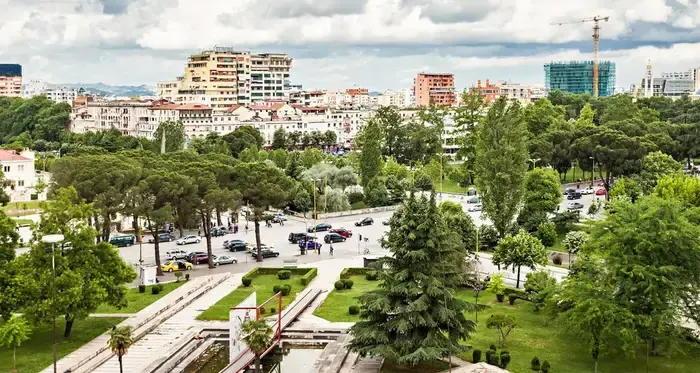
Mostar, Kotor, Berat, Ohrid and Rila Monastery, from Belgrade to Sofia.
Also available privately, with add-on days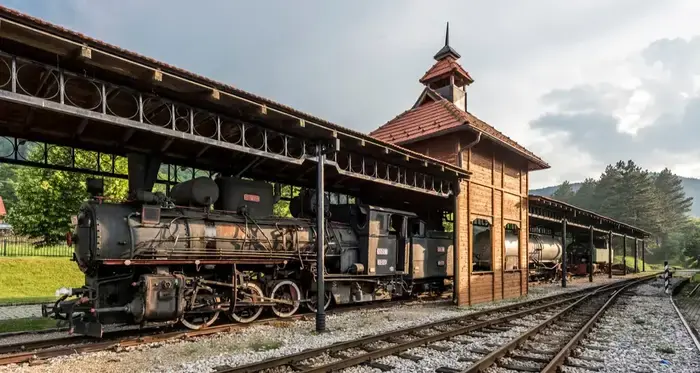
Biertan in Transylvania, Višegrad, Mostar, Dubrovnik and Plitvice.
Also available privately, with add-on days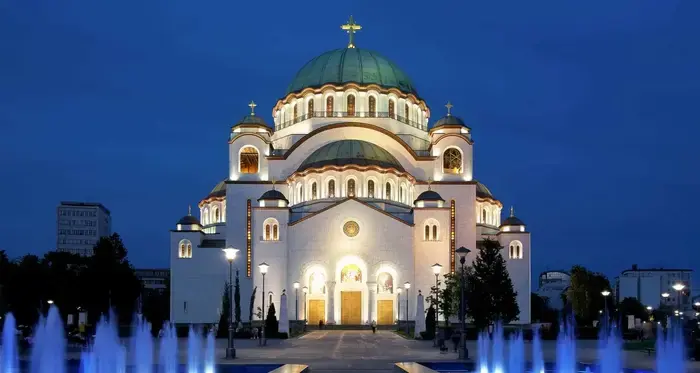
Studenica and Stari Ras with Sopoćani, from Belgrade.
On your datesA whole journey built around heritage, with specialists on the road, for groups of any size.
Programs built with historians and archaeologists, with site visits and lectures.
Study tours for alumni associations, with a lecture program on the road.
A route built around the sites on your own list, on your dates.
On a two-week journey, usually six to ten, without rushing. Our small group journeys above already include several each.
Yes. We plan early starts at Dubrovnik, Kotor and Plitvice, and most other sites are never crowded outside July and August.
Yes. For Roman, Byzantine and medieval sites we can add a specialist for a day or for the whole journey.
Yes. We build study programs with historians, museum visits and lectures, for groups of any size.
Every journey is priced for your dates, group and hotels. We share an approximate budget at the start, and one clear price in your proposal.

Tell Ivona which places and traditions you would like to see, your dates and who is traveling. She will reply personally with a proposal, or a full program for your group.
Ivona Milosavljević, Head of Balkan Tours Department
or call +381 65 334 4051 (also WhatsApp)