
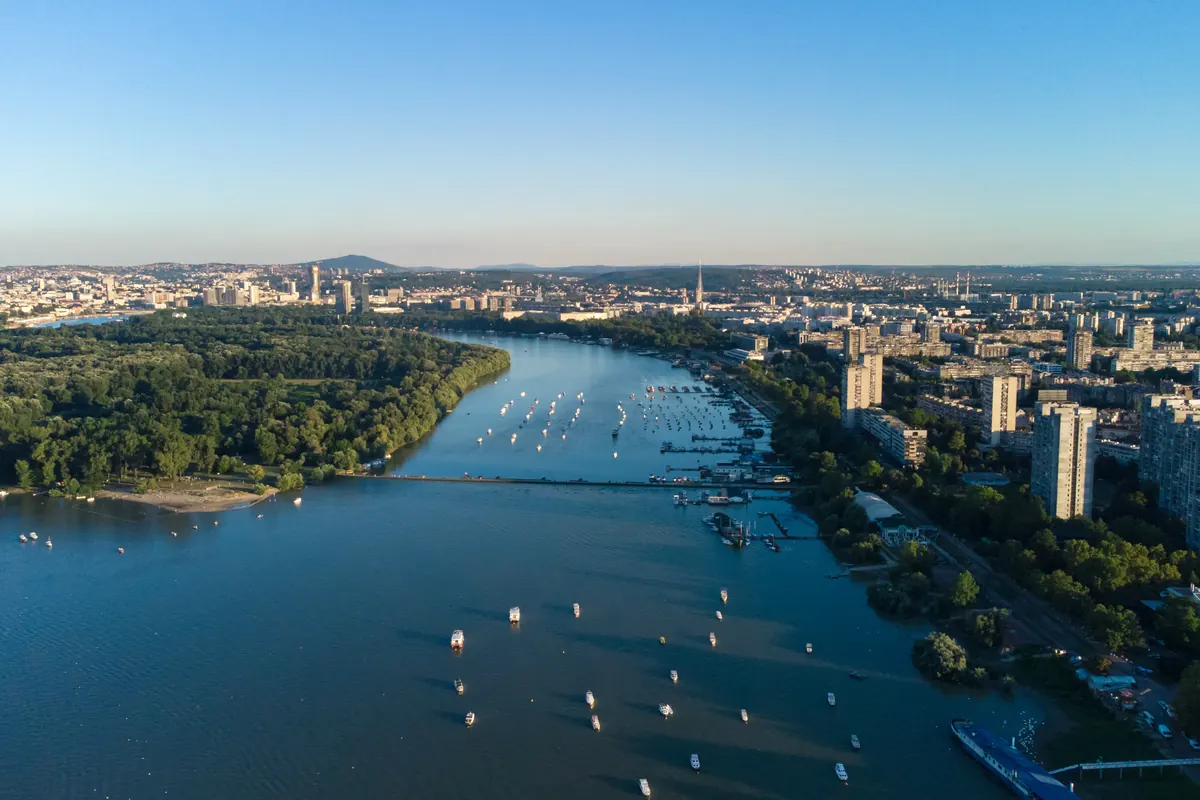
Belgrade, the capital of Yugoslavia
Serbia
Tito’s House of Flowers and the Museum of Yugoslavia, the Non-Aligned summit of 1961, Kragujevac and the Zastava car factory, and the memorial park at Šumarice.
Photo to come: a spomenik or brutalist monument
The Cold War, told on the spot by people who remember it. Our guests ask for this theme more and more: history lovers who know Berlin and Moscow, but little about Tito’s Yugoslavia, Ceaușescu’s Romania, Zhivkov’s Bulgaria or Hoxha’s Albania.
Yugoslavia stood between East and West, with its own road, its own passport and its own monuments. Around it, Romania and Bulgaria lived behind the Iron Curtain, and Albania closed itself off almost completely. We tell it through storytelling, through the great concrete monuments and the bold buildings of the time, the factories that carried the socialist dream, the bunkers, the legends and the conspiracy theories, and through the people who lived it.
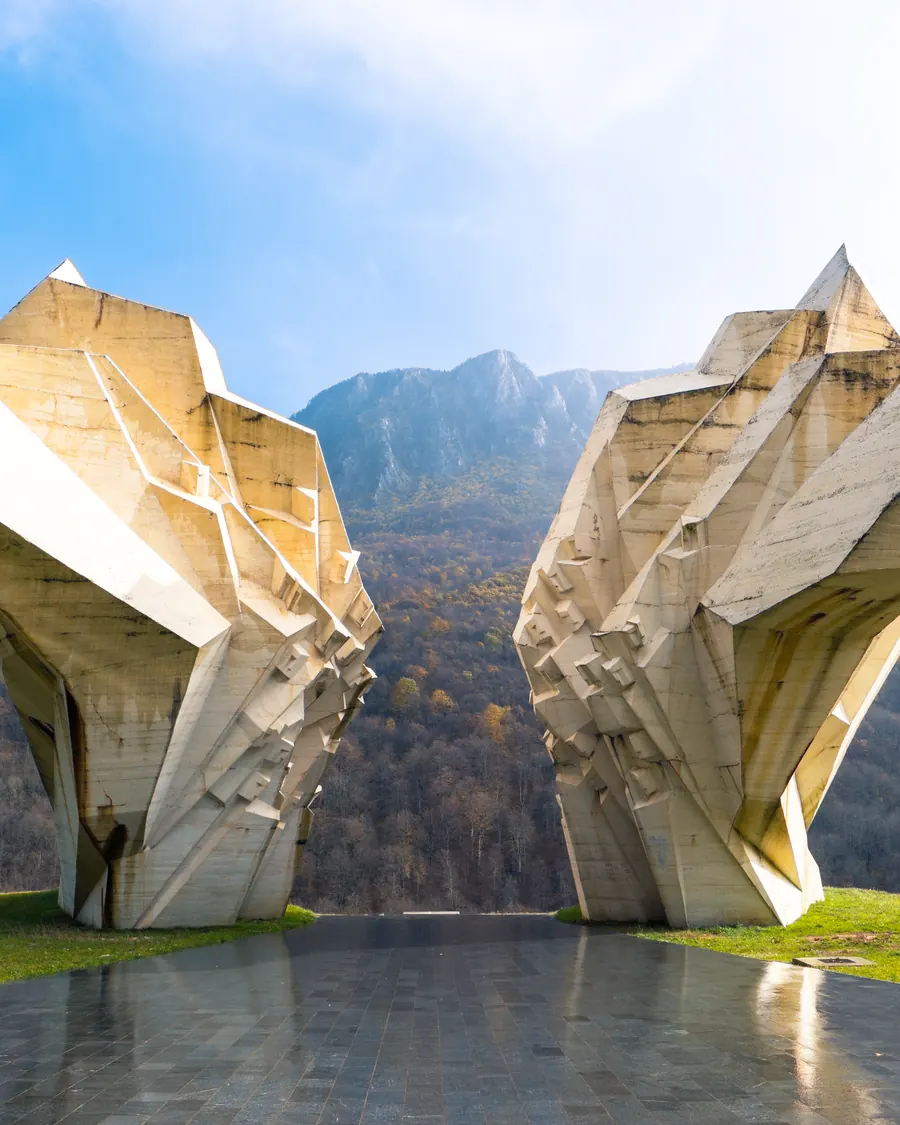
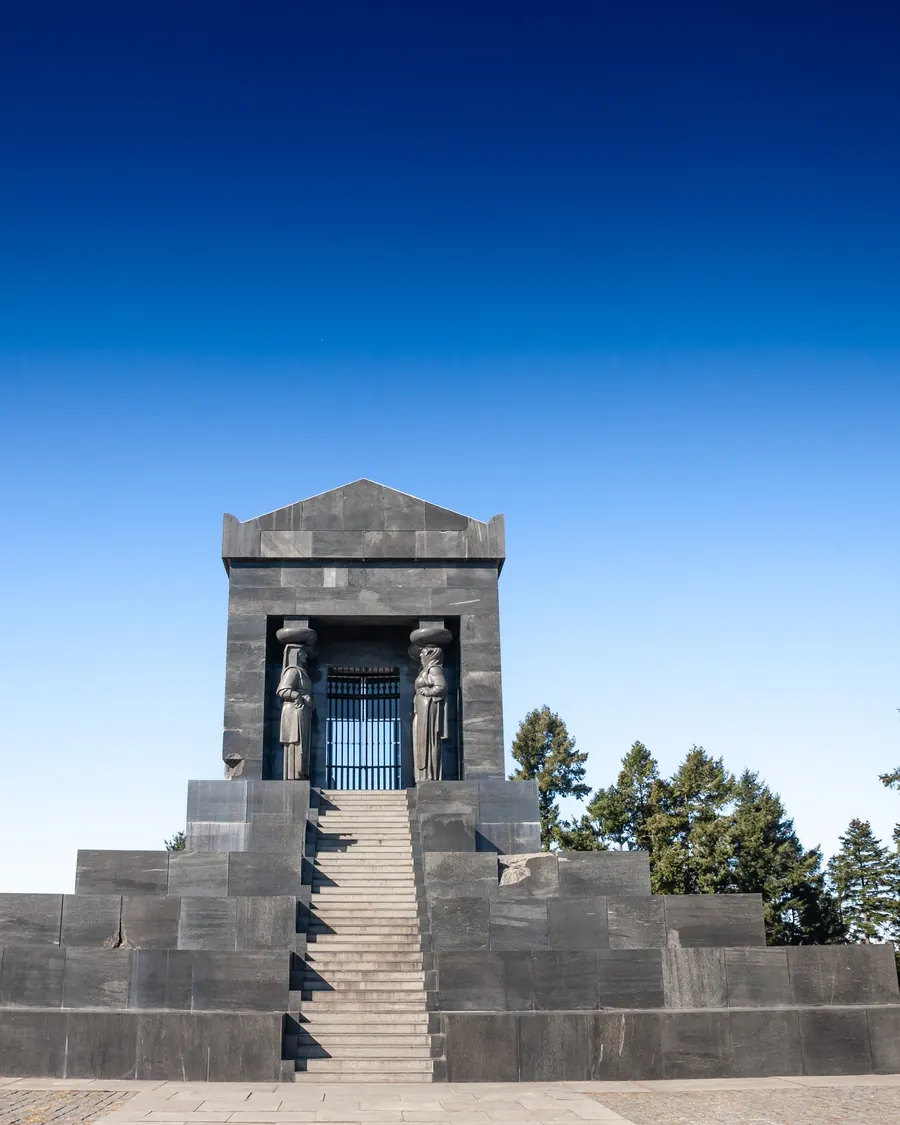
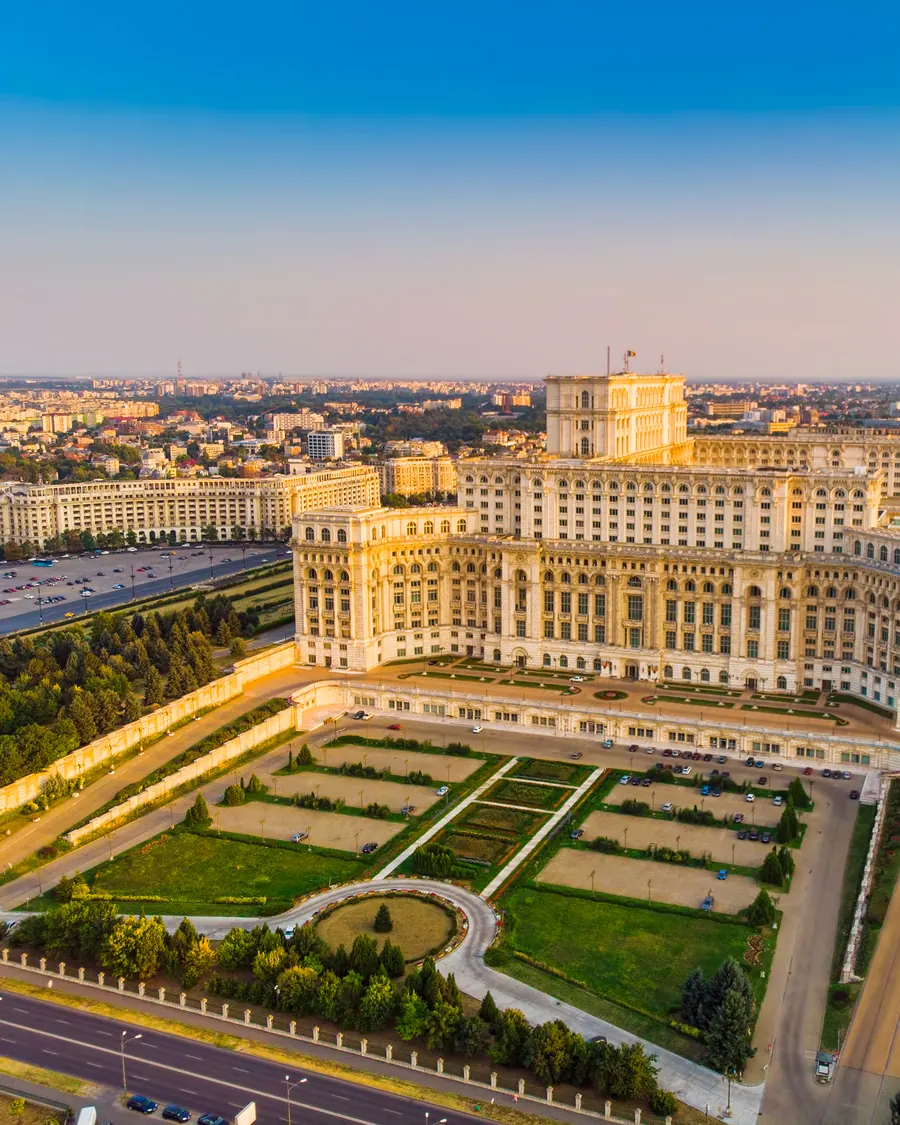
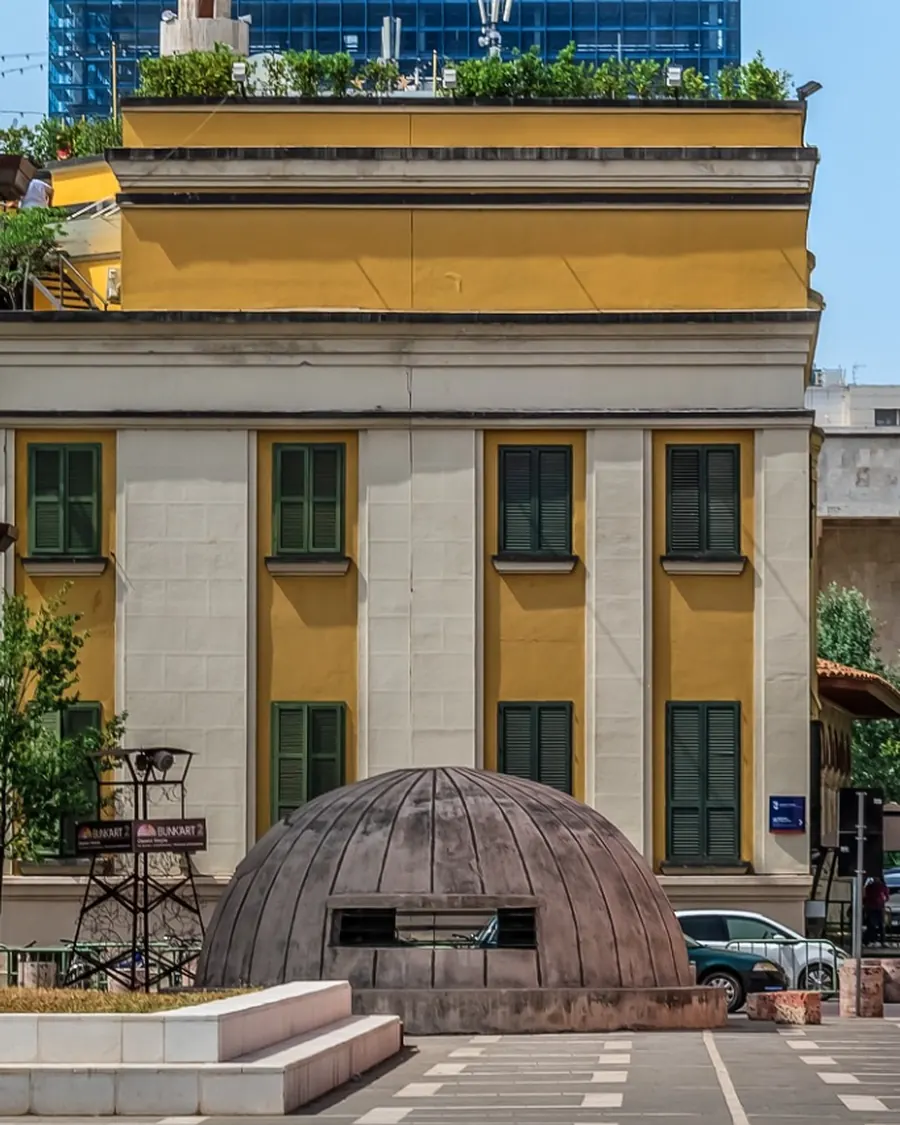
Six threads that run through the region, from Tito’s break with Stalin to 1989.
Between East and West: Tito’s break with Stalin in 1948, the Non-Aligned Movement and a red passport that opened borders on both sides.
The great concrete monuments of the Yugoslav years, and the bold buildings of New Belgrade, Skopje and Sarajevo.
Cars, trains and shipyards that carried the promise of industrial modernity, and the towns built around them.
Hidden bunkers, island prisons, and the conspiracy theories still told over coffee, from secret tunnels to doubles of leaders.
Ceaușescu’s Romania, Zhivkov’s Bulgaria and Hoxha’s Albania: three very different faces of the same era.
Revolutions, the end of Yugoslavia, and how people remember the time today.
The former Yugoslavia, and the countries behind the Iron Curtain around it.
Tito’s House of Flowers and the Museum of Yugoslavia, the Non-Aligned summit of 1961, Kragujevac and the Zastava car factory, and the memorial park at Šumarice.
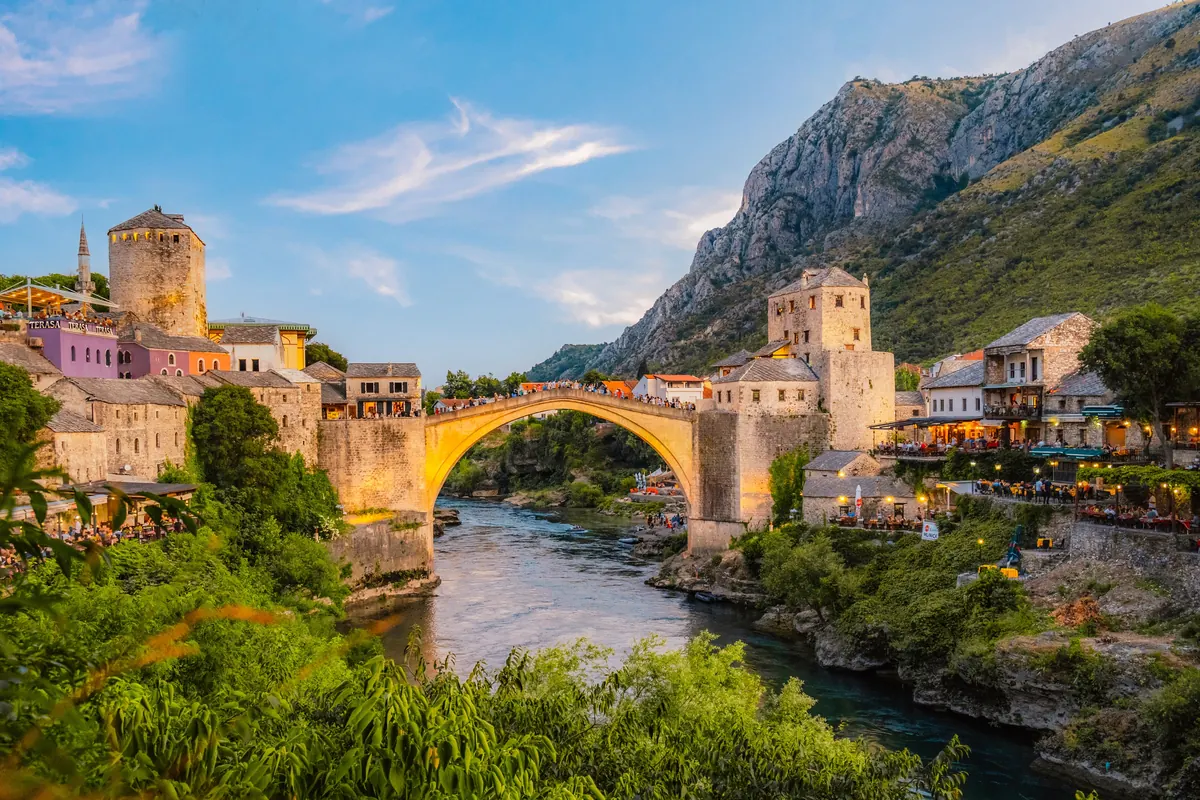
Tito’s secret nuclear bunker near Konjic, the Sutjeska monument at Tjentište, the 1984 Winter Olympics in Sarajevo and the war-time Tunnel of Hope.
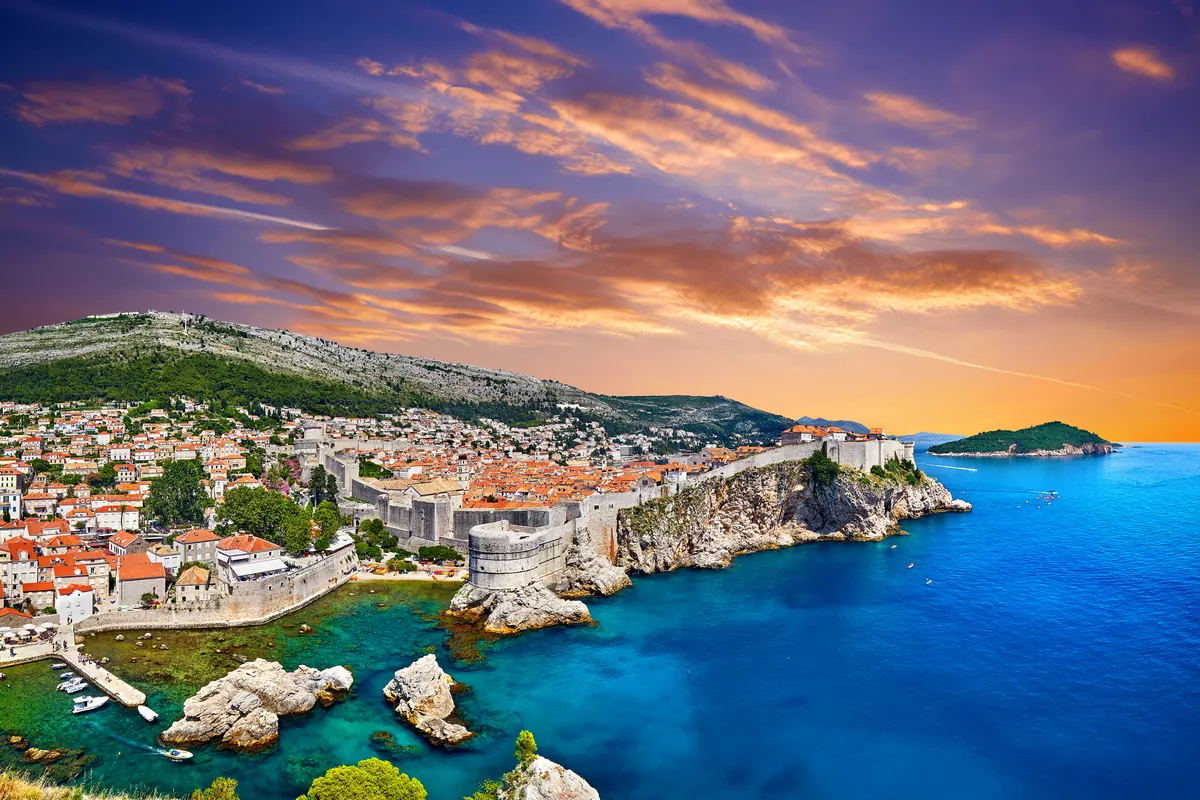
The Brijuni islands, where Tito received the world’s leaders, and Goli Otok, the island prison of the Yugoslav years.
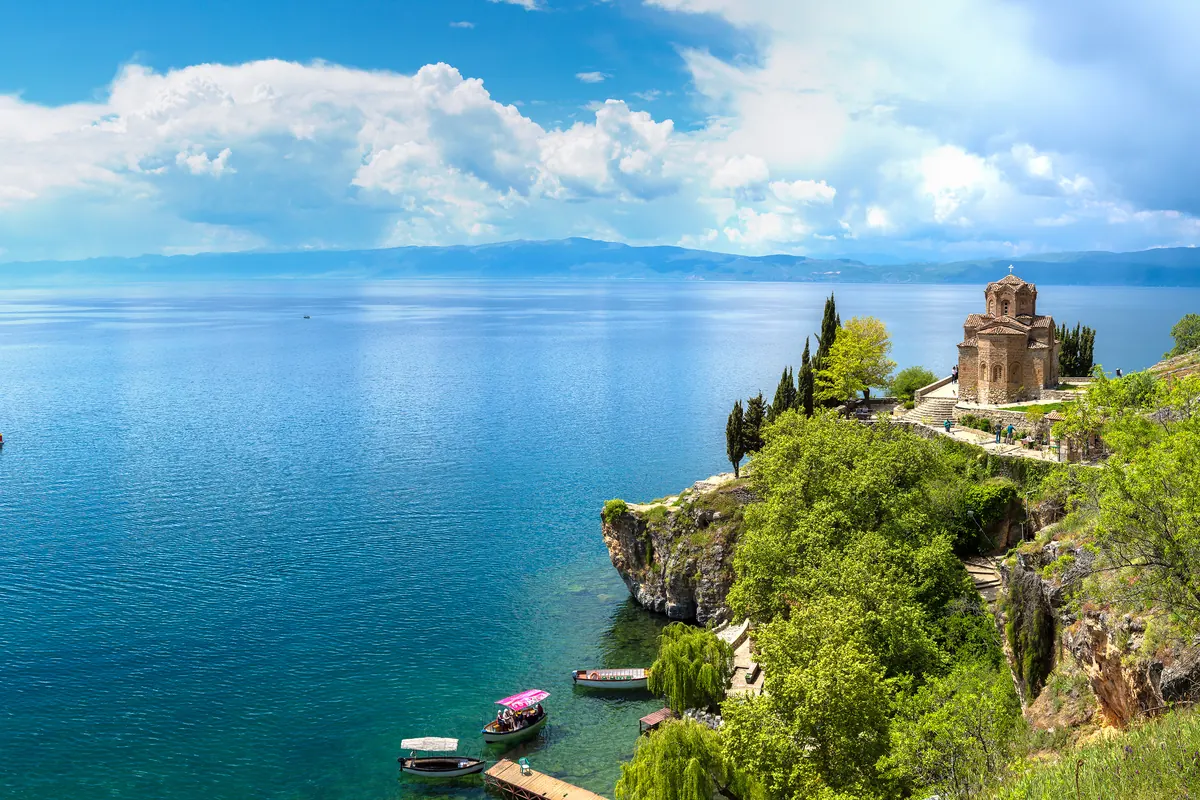
Skopje after the 1963 earthquake, rebuilt with a plan by Kenzo Tange, and the Makedonium monument above Kruševo.
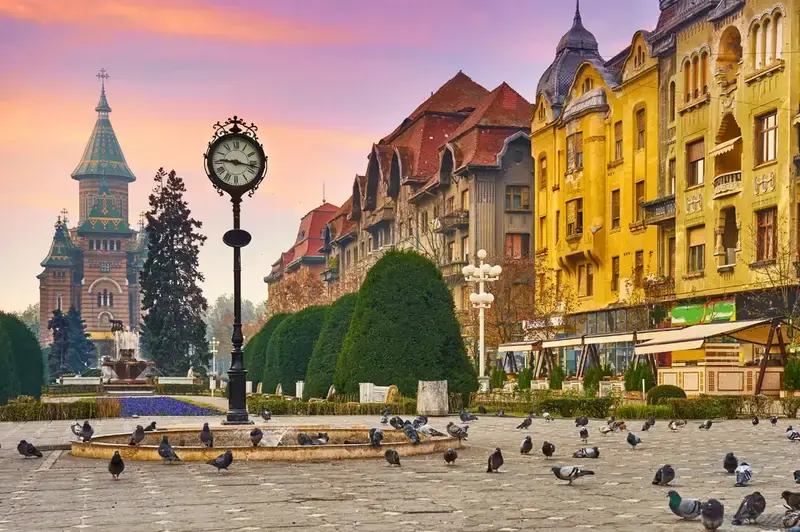
The Palace of the Parliament in Bucharest, and Timișoara, where the revolution of December 1989 began.
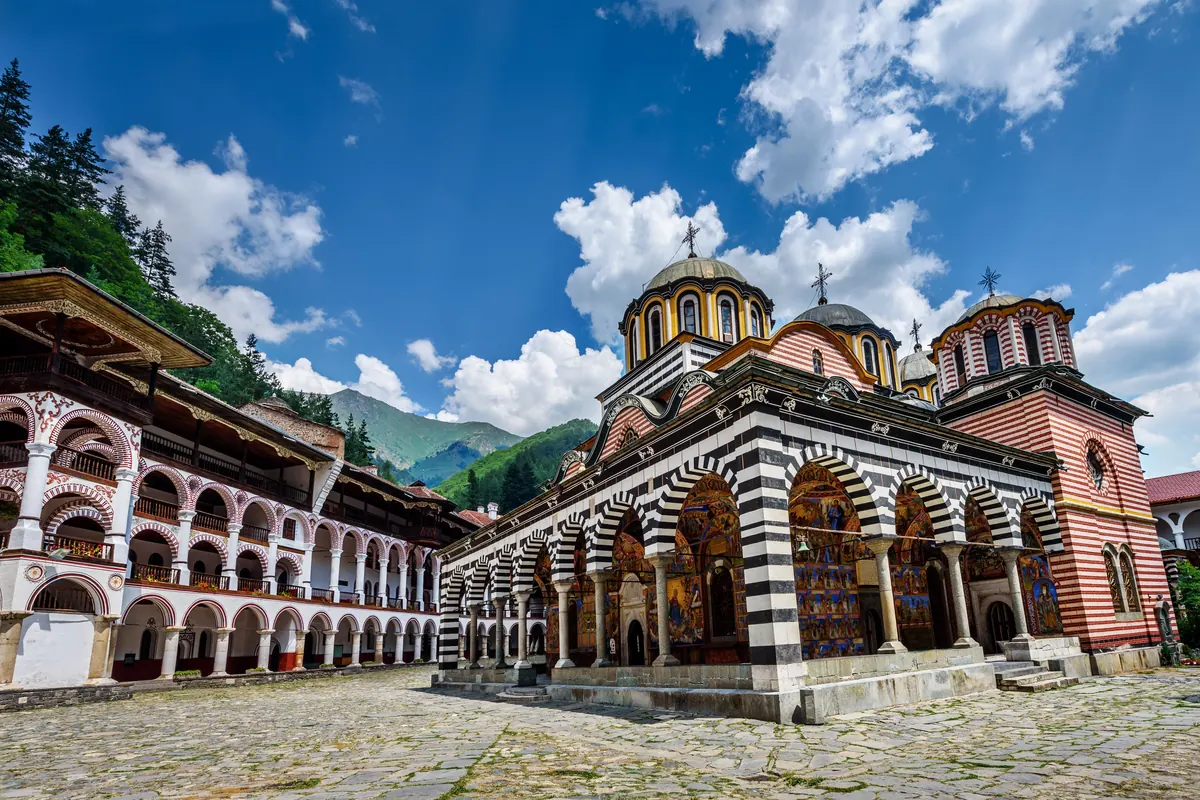
Buzludzha, the concrete party monument on a mountain top, and Red Flat, a recreated Communist-era apartment in Sofia.
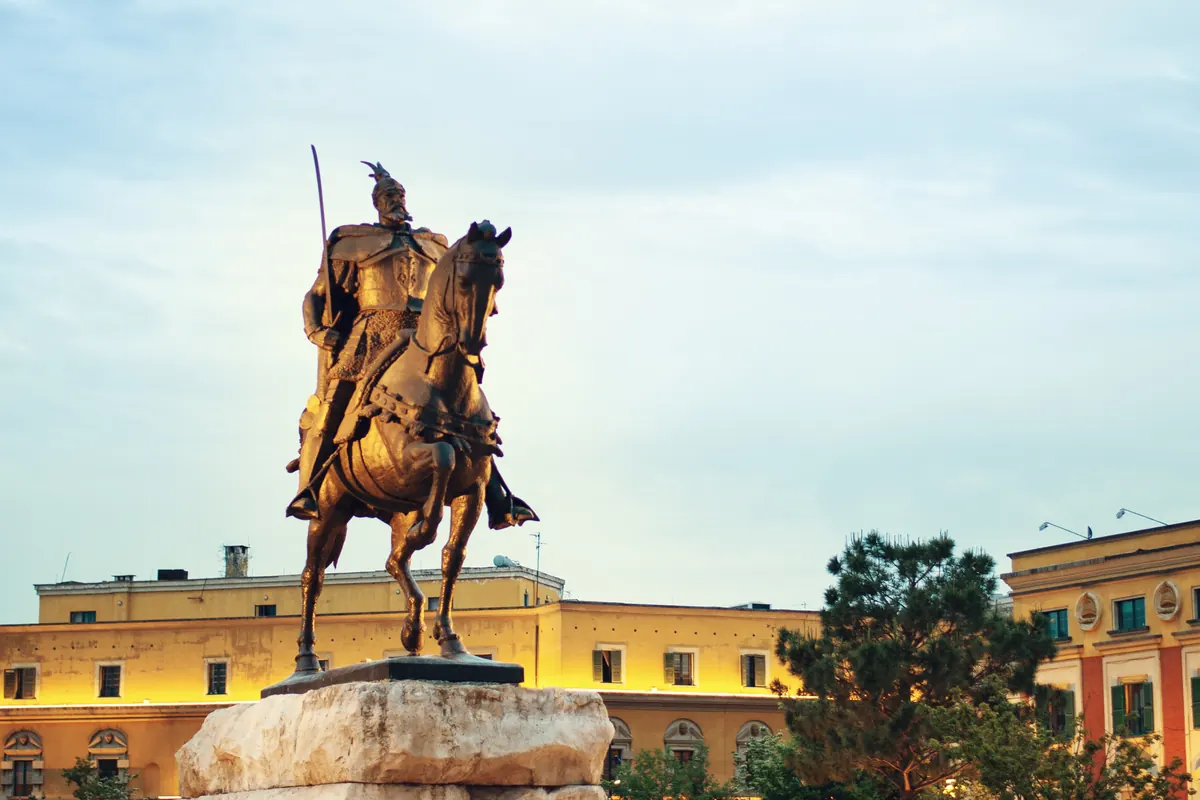
Bunkers in the hills and on the beaches, Bunk’Art and the House of Leaves in Tirana, and a country that was closed to the world for decades.
A whole journey built around the theme, for history lovers and groups, or a few Cold War days within a longer trip. A few ways to combine it:
A Cold War day in Belgrade or Sarajevo, before or after the tour.
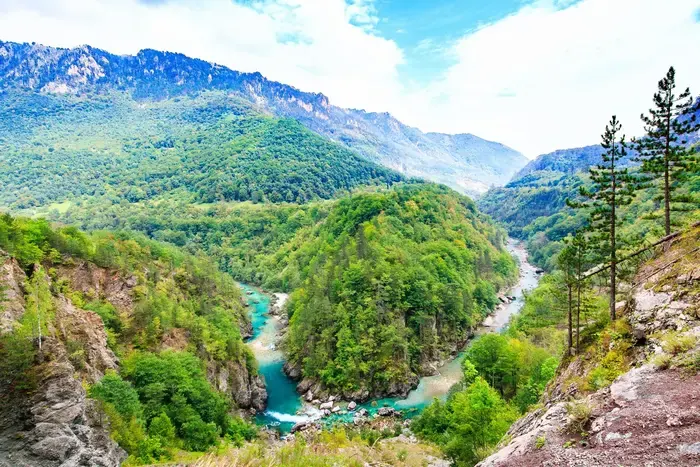
The Sutjeska monument and Tito’s bunker sit on the routes of our Bosnian active journeys.
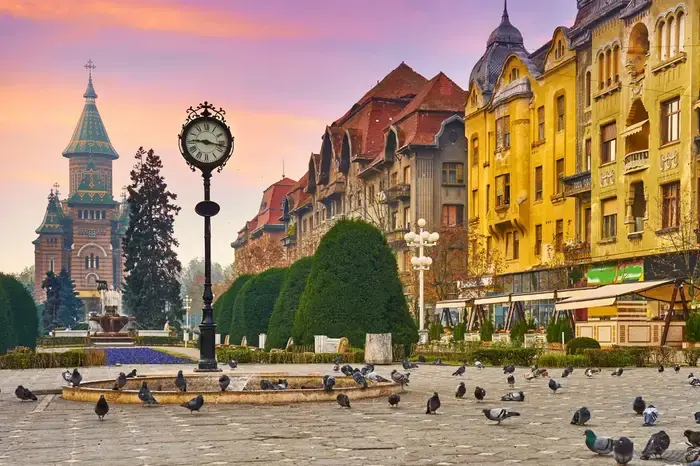
Ceaușescu’s Bucharest, Buzludzha and Red Flat, alongside castles and painted monasteries.
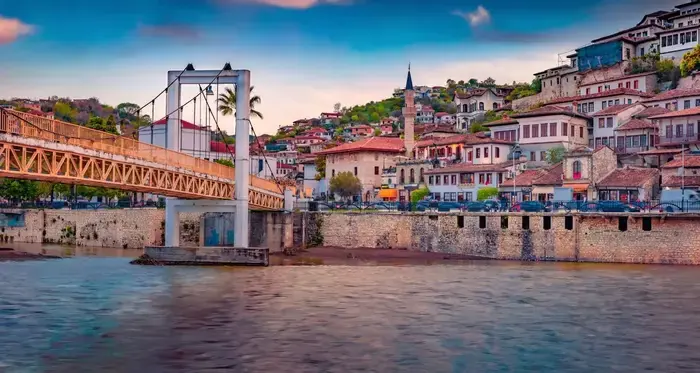
Hoxha’s bunkers and Tirana’s museums, with Berat, agriturismo and the coast.
From two travelers to a university group, with a program to match.
Programs built with historians, with meetings, archives and museums.
Study tours for alumni associations, with a lecture program on the road.
Couples and friends who want the stories behind the places they read about.
No. It is a history journey. Our guides tell the stories of the period from several sides, and leave the conclusions to you.
Yes. Many of our guides and hosts grew up in Yugoslavia or behind the Iron Curtain, and we can add conversations with historians and witnesses.
Yes. We build study programs with historians, museum visits and lectures, for groups of any size.
Yes. Most guests add Cold War days to a small group, private, active or food and wine journey.
Every journey is priced for your dates, group and hotels. We share an approximate budget at the start, and one clear price in your proposal.

Tell Ivona what you would like to see, your dates and who is traveling. She will reply personally with a proposal, or a full program for your group.
Ivona Milosavljević, Head of Balkan Tours Department
or call +381 65 334 4051 (also WhatsApp)