Call or WhatsApp+381 65 334 4051 Book a call My booking
Balkan&more
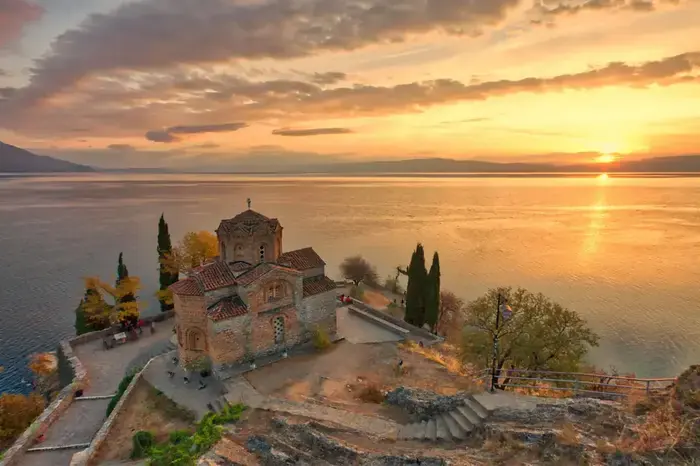
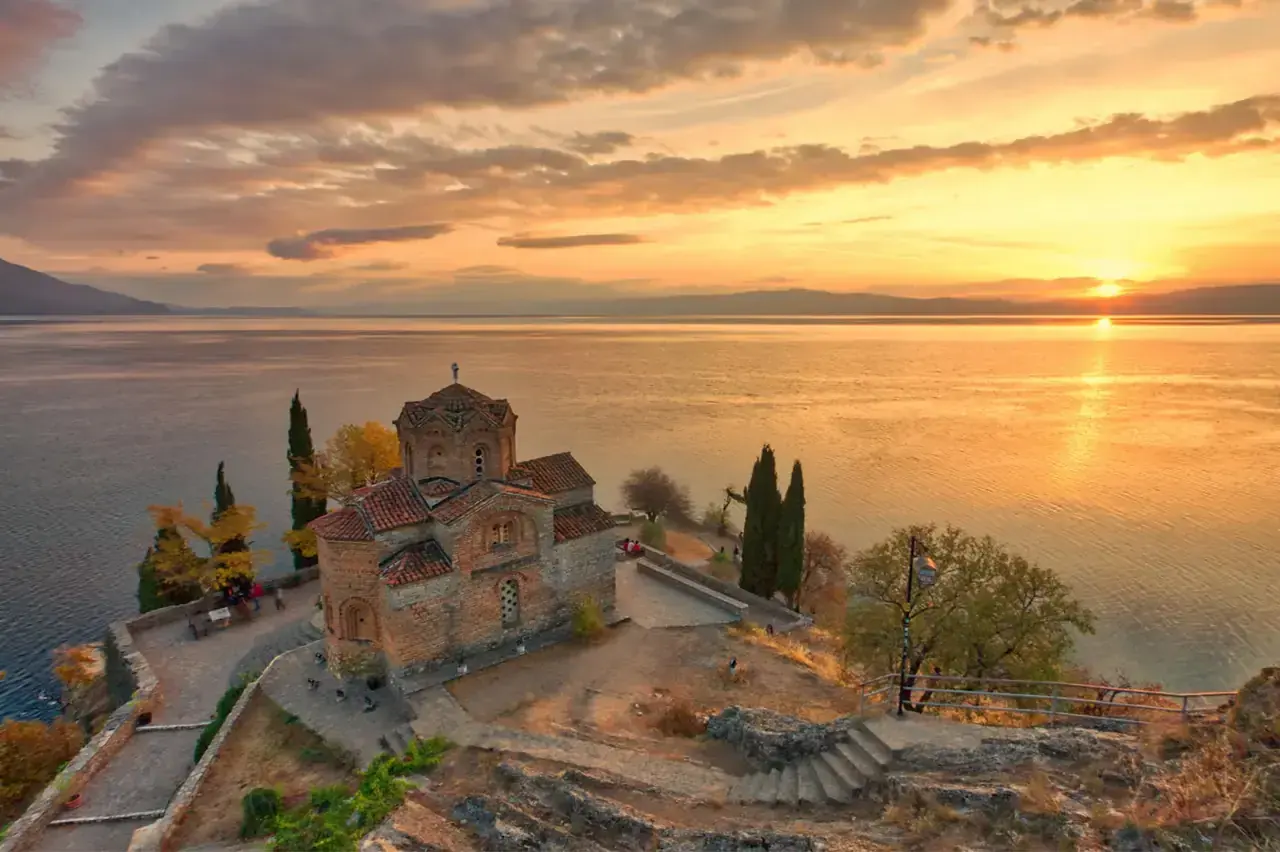
The Church of St. John at Kaneo above Lake Ohrid at sunset
Specialty tours

Monasteries of the Balkans

The best way to know the Orthodox Balkans is through its monasteries. For more than a thousand years they have kept the region’s faith, art and memory: frescoes painted for medieval kings and tsars, churches rebuilt after every war, and communities of monks and nuns who still live by the old rule.

Serbia holds the greatest number, more than two hundred, with Studenica, Sopoćani and the medieval monasteries of Kosovo and Metohija on the UNESCO World Heritage List. Around them, the same tradition shaped Ostrog in its cliff in Montenegro and Tvrdoš in Herzegovina, the churches of Lake Ohrid in North Macedonia, Rila Monastery in Bulgaria and the painted monasteries of Bucovina in Romania, all on the UNESCO list except the monasteries of Montenegro and Herzegovina.

See our journeyEmail us your idea

Private, on your dates, with a guide who reads the frescoes as well as the history.

Studenica, SerbiaThe mother church of Serbian monasteries
Ostrog, MontenegroA monastery built into a cliff
Ohrid, North Macedonia
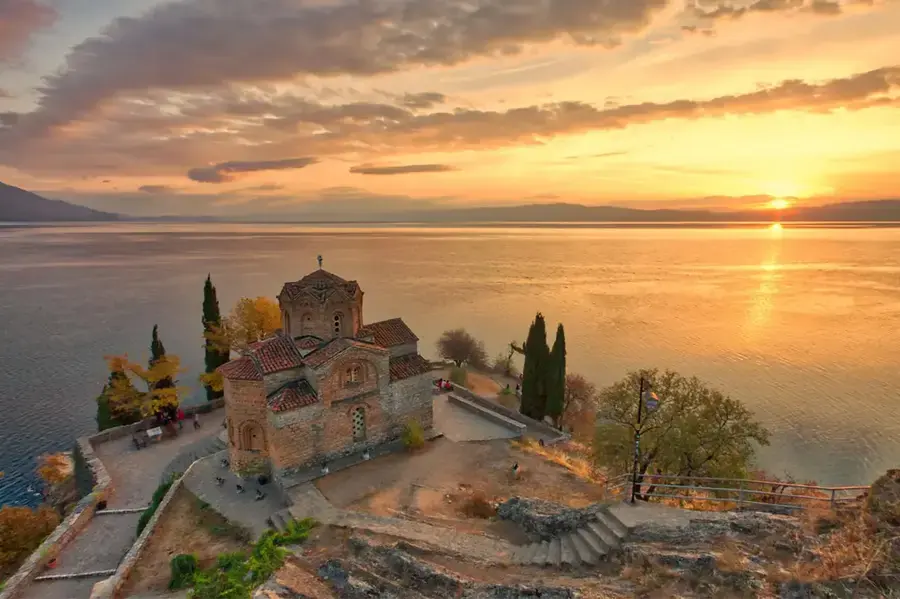
Ohrid, North MacedoniaSt. John at Kaneo above the lake
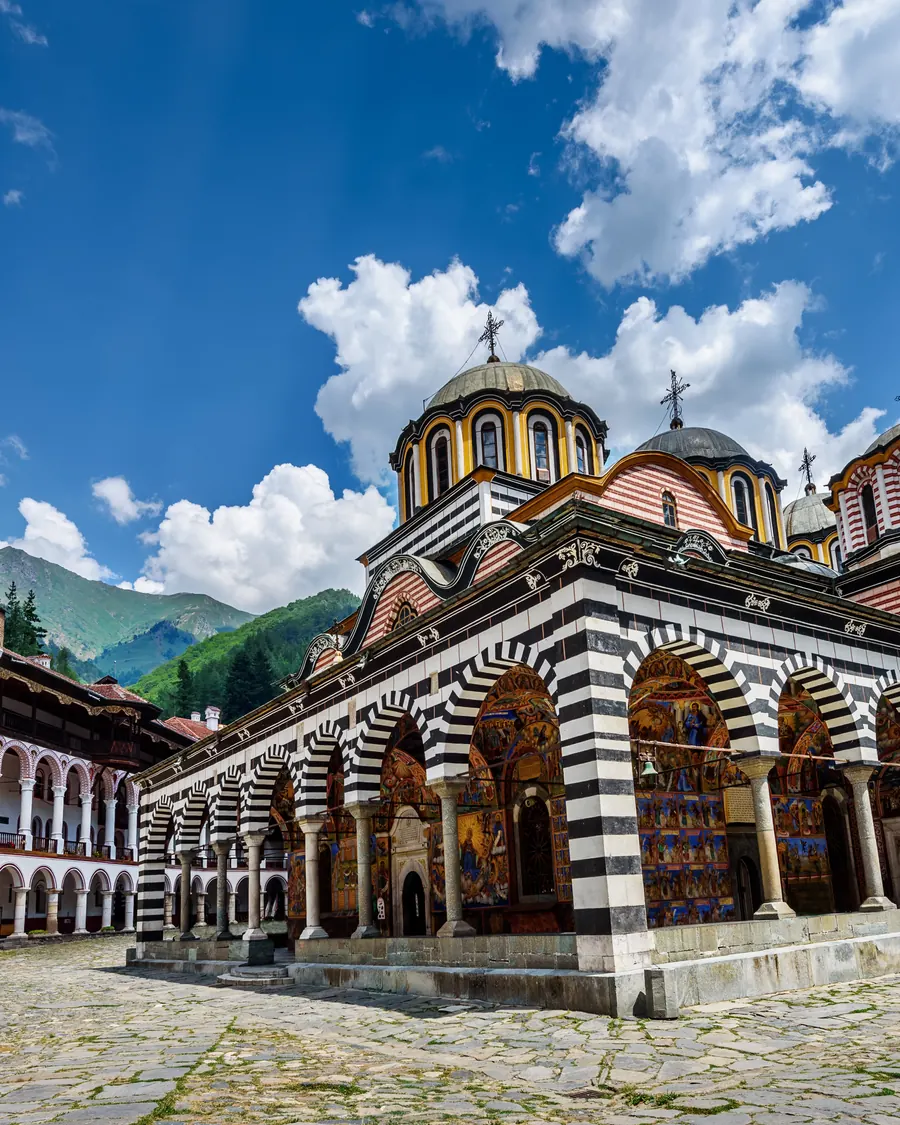
Rila, Bulgaria
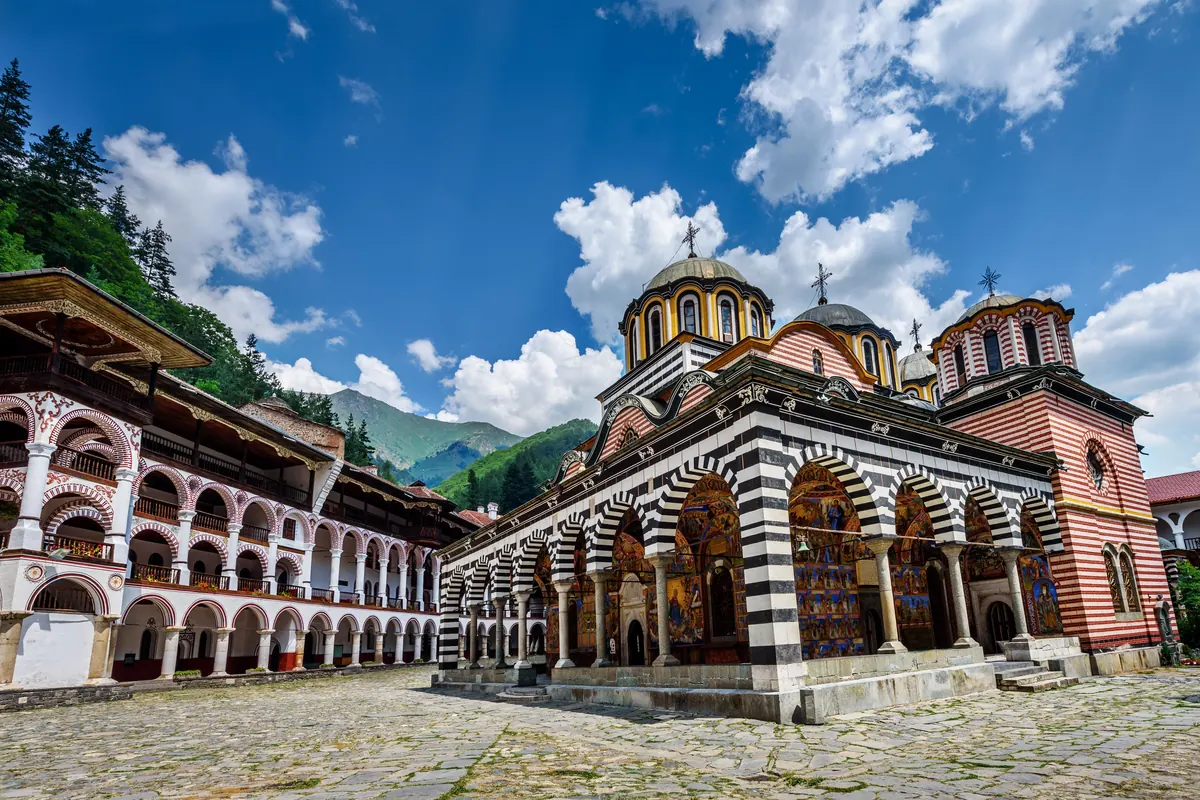
Rila, BulgariaBulgaria’s best-known monument
Bucovina, RomaniaChurches painted inside and out
Living monasteriesMonks and nuns still keep the daily rule
Guides who read the frescoesArt historians and local guides on request
Quiet hoursEarly or late, before and after the day visitors
Monastery tablesHoney, cheese, wine and rakija made by the communities
Your dates, your pacePrivate, for two travelers or your own group
Serbia

The heart of it: four monastic regions of Serbia

Serbia has the most monasteries in the Balkans, in four regions with their own styles of stone and paint. Two are on the UNESCO World Heritage List.

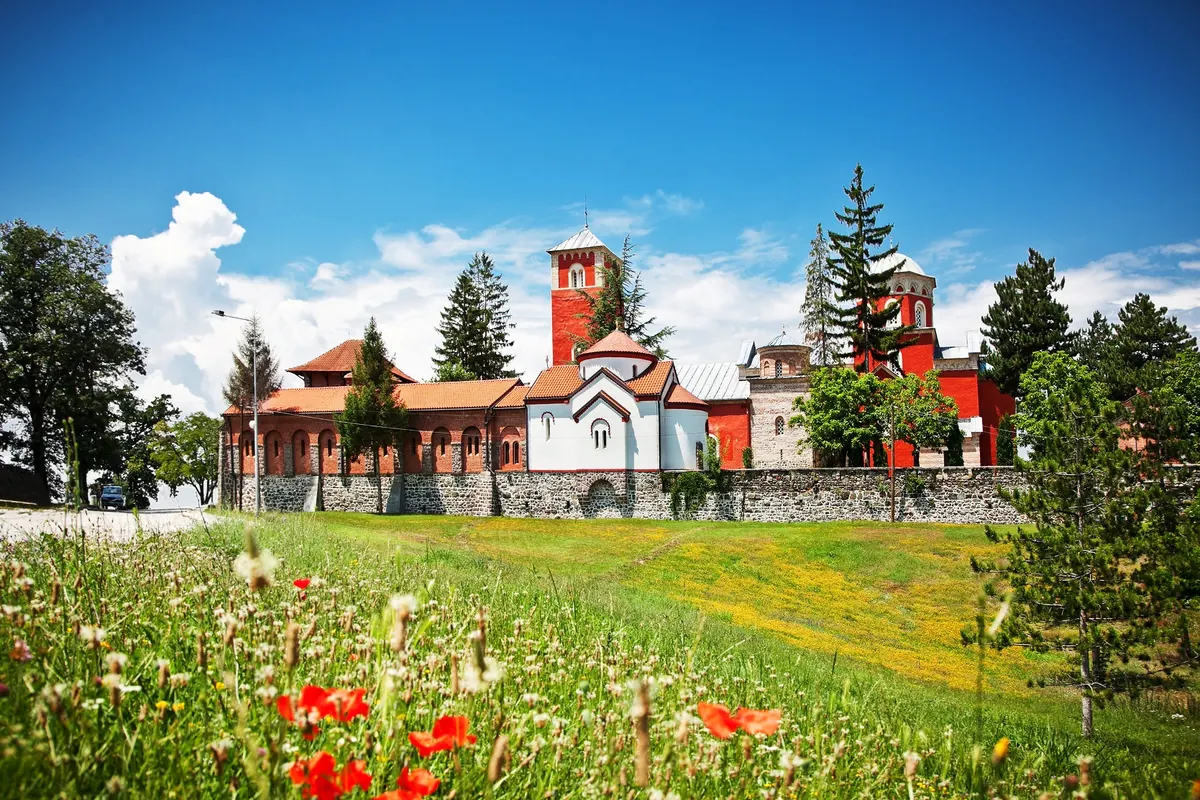
Valley of the Kings

Valley of the Kings

Between the Ibar and Raška rivers lies the cradle of the medieval Serbian state, around the Church of the Holy Apostles Peter and Paul in Ras, the oldest intact church in Serbia, recorded as a bishop’s seat in the 9th century. Studenica, Žiča, Sopoćani and Đurđevi Stupovi gave birth to the Raška style, where Byzantine painting meets Romanesque stone. Studenica and Stari Ras with Sopoćani are on the UNESCO World Heritage List.

UNESCO · Studenica · Žiča · Sopoćani · Đurđevi Stupovi
Morava monasteries

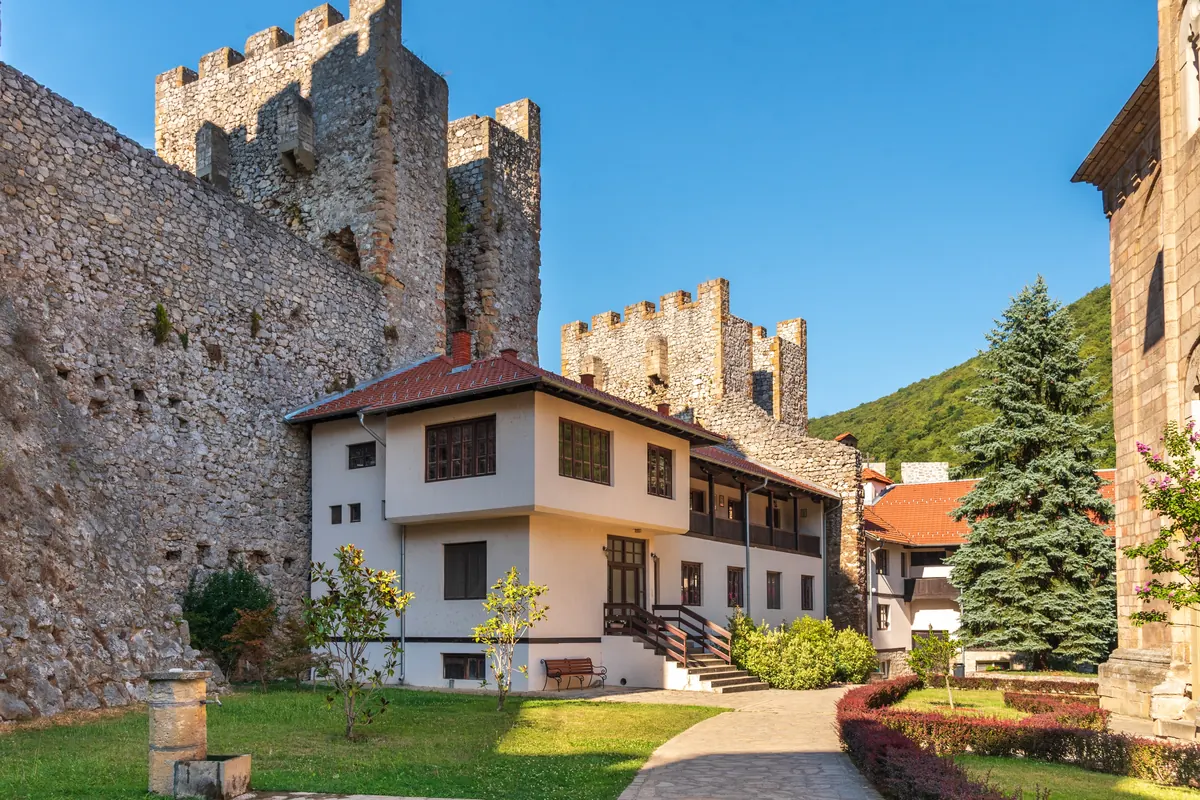
Morava monasteries

After the battles against the Ottomans in the late 14th century, a new style flourished in the Morava valley. Manasija, built inside fortress walls, Ravanica, Kalenić and Ljubostinja are known for their carved stone rosettes and refined frescoes.

Manasija · Ravanica · Kalenić · Ljubostinja
Fruška Gora, the Serbian Holy Mountain

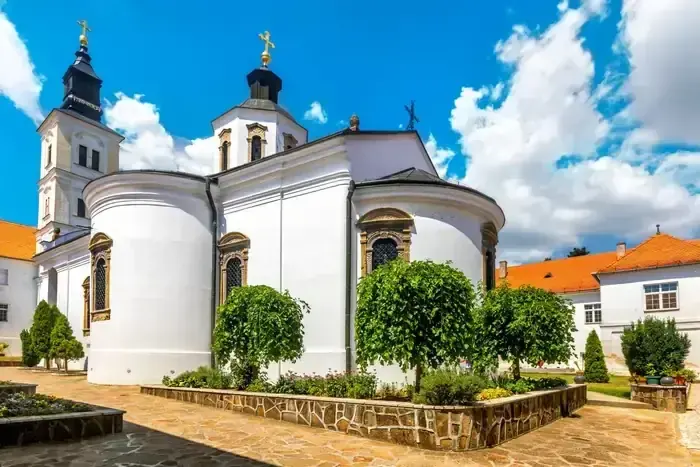
Fruška Gora, the Serbian Holy Mountain

Seventeen monasteries on the slopes of Fruška Gora, above the Danube, built mostly in the 15th and 16th centuries and later rebuilt in baroque style. Krušedol, Novo Hopovo and Grgeteg sit among vineyards, close to Novi Sad and Sremski Karlovci.

Krušedol · Novo Hopovo · Grgeteg
Kosovo and Metohija

Kosovo and Metohija

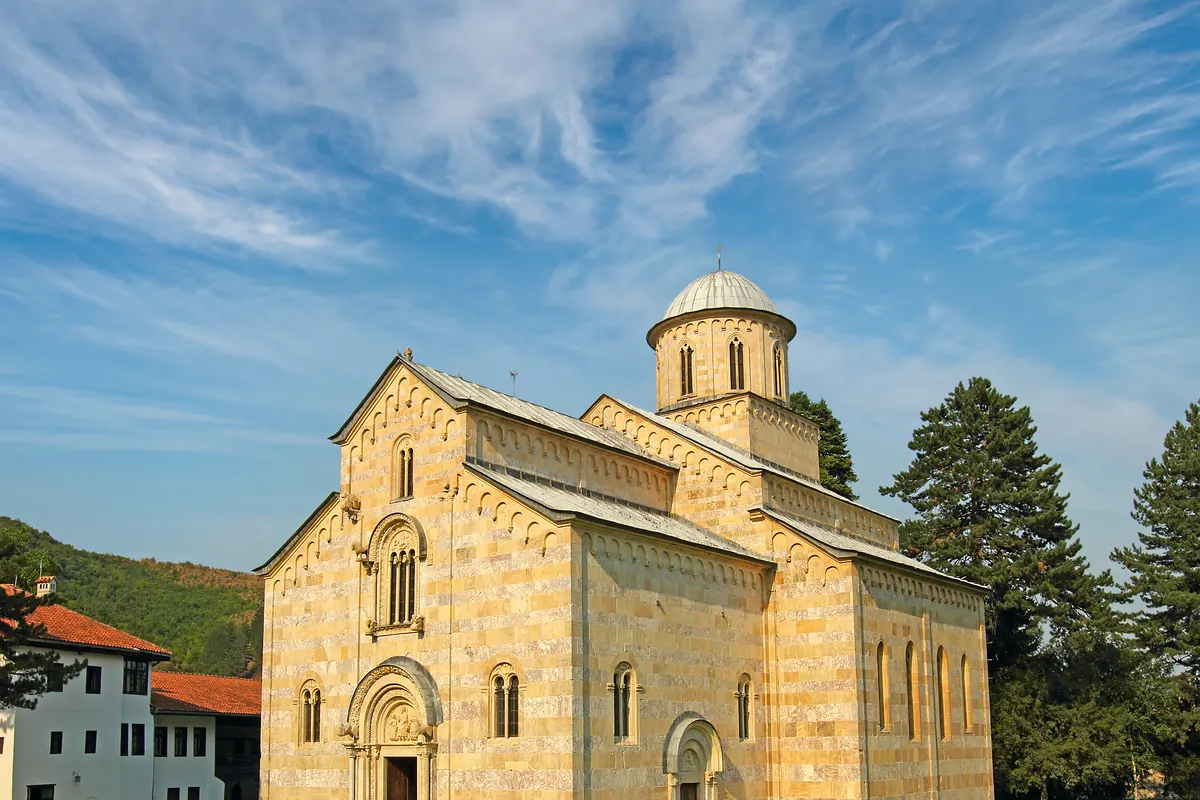
In the far south of Serbia, the golden age of Serbian medieval art. Visoki Dečani, Gračanica, the Patriarchate of Peć and the Church of Our Lady of Ljeviš were built in the 13th and 14th centuries, when the medieval Serbian state was at its height, and are protected together by UNESCO for their frescoes, among the finest of the Byzantine world.

UNESCO · Visoki Dečani · Gračanica · Patriarchate of Peć
Across the region

Monasteries across the Balkans

From the Adriatic to the Carpathians: monasteries in cliffs, on lake shores and in mountain valleys, each a reason to travel on its own.

Montenegro

Ostrog

Built into a vertical cliff above the Zeta valley, one of the most visited places of pilgrimage in the Balkans; with Morača in its canyon and Praskvica above the coast.

Tvrdoš
Bosnia and Herzegovina

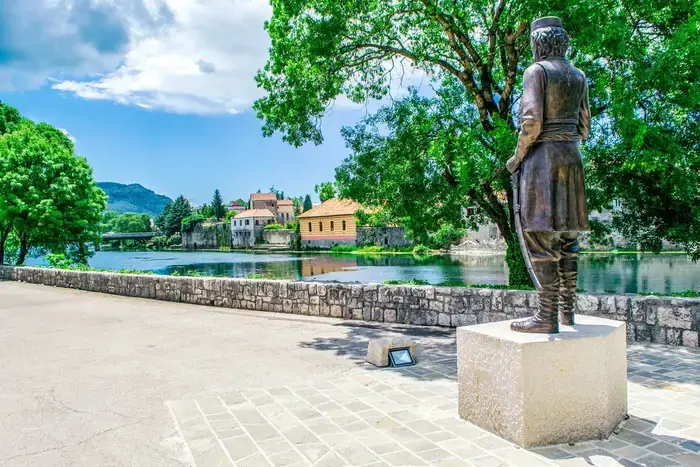
Tvrdoš

Near Trebinje, with a medieval wine cellar where the monks still make Vranac and Žilavka.

Ohrid
North Macedonia

Ohrid

Churches and monasteries around a UNESCO-listed lake: St. John at Kaneo, Plaošnik and St. Naum, where Slavic literacy took root.

Rila Monastery
Bulgaria

Rila Monastery

Bulgaria’s best-known monument, a UNESCO-listed monastery in the Rila Mountains, its arcades painted in red, black and white.

Romania

Painted monasteries of Bucovina

Voroneț, Sucevița, Moldovița and Humor, with outer walls painted from the eaves down; UNESCO-listed as the painted churches of Moldavia.

Bosnia and Herzegovina

Žitomislić

A 16th-century monastery on the Neretva near Mostar, rebuilt stone by stone after the 1990s.

Visiting a monastery

A few things that make a visit easier, in any country, for you and for the communities.

What to wear

Shoulders and knees covered; women may be asked to wear a skirt, which monasteries lend at the gate.

Photography

Usually allowed outside; inside the churches often not. Your guide will tell you at each monastery.

Services

You are welcome to stand quietly at the morning or evening service; we plan the day around it if you wish.

Monastery shops

Icons, candles, honey, cheese, wine and rakija made by the communities; buying there supports them.

What our travelers say

★★★★★ 4.8 / 5 · 300+ reviews from real guests

Read more reviews
★★★★★
“I recommend taking this tour to see beautiful Serbia! […] From the beautiful architecture in Belgrade to the historic churches with fresco paintings from over 500 years ago to the ski slopes by the border of Montenegro.”
Christopher H. · San Francisco, California
Discover Serbia
★★★★★
“What a great trip. I really enjoyed my week in Serbia. Saw lots of sights. Guide was great. Well organized.”
Carol M. · Burlingame, California
Discover Serbia
★★★★★
“My guide, Dejan, was fabulous! He has a wealth of knowledge about everywhere that we went. I felt totally comfortable being with just one person for 10 days […] I felt like I was with an old friend.”
Joan H. · Marietta, Georgia
Private journey

Questions about monastery journeys

Do I need to be religious to visit?

No. Monasteries welcome visitors of every faith and none. What they ask for is quiet and modest dress.

Can we stay overnight at a monastery?

Some monasteries have simple guest rooms. We can arrange a night where it is possible, and a good hotel nearby where it is not.

Can we visit the UNESCO monasteries of Kosovo and Metohija?

Yes, with some planning. We arrange the visits to Visoki Dečani, Gračanica and the Patriarchate of Peć, and confirm the details before you travel.

Can you add an art historian?

Yes. For the Valley of the Kings and the Morava monasteries we can add a specialist in Byzantine and Serbian medieval art.

What does it cost?

Every journey is priced for your dates, group and hotels. We share an approximate budget at the start, and one clear price in your proposal.

Ivona Milosavljević

Which monasteries would you like to see?

Tell Ivona your dates and what draws you to the monasteries: the frescoes, the history, the services or the quiet. She will reply personally with a proposal.

Ivona Milosavljević, Head of Balkan Tours Department

or call +381 65 334 4051 (also WhatsApp)