
Treasures of Bulgaria and Romania
Two neighbors with different languages and traditions, and natural traveling companions. From Sofia over the Balkan Mountains, across the Danube and through the Carpathians to the painted monasteries of Bucovina, ending among the tiled rooftops of Sibiu. Roman streets beneath Sofia, a Thracian tomb, the Shipka Pass, Ceaușescu’s palace and church walls painted from top to bottom.
- 14 days13 nights
- Sofiato Sibiu
- 8 momentsExperience More included
- April–Octoberprice on request
This is a starting point. Change the dates, the pace, the hotels or the route, and we will shape it around you.
- Local experts, real peopleno call centers: we plan and run every trip
- 4.8 / 5300+ reviews from real guests
- Full refundup to 60 days before departure
- 24/7 supporton call throughout your trip
Day by day
Open any day for a short summary. Your proposal includes the full plan with named hotels.
Upon arrival at Sofia Airport, your driver will welcome you and escort you to your hotel. Set beneath the forested slopes of Mount Vitosha, Sofia makes an inviting introduction to Bulgaria. The rest of the day is at leisure.
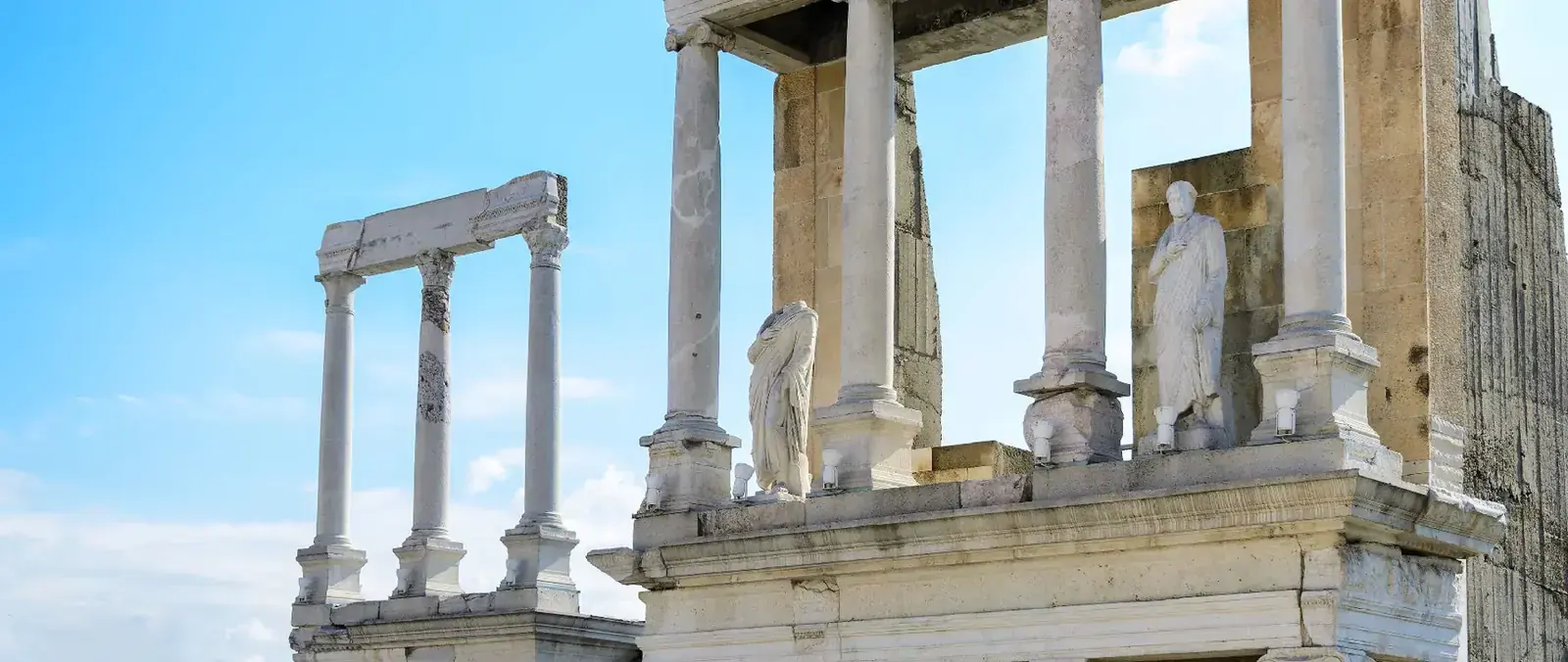
Set out on foot through central Sofia for a day that spans nearly two thousand years of the city’s history. Begin at the Alexander Nevsky Cathedral, its gilded domes among Sofia’s defining landmarks. Much older Sofia lies just beyond. Walk through the Largo and descend to the Roman ruins of Serdica, uncovered during construction of the city’s metro.
Experience More / Life Behind the Iron Curtain — A private visit to Red Flat, a recreated Communist-era apartment, where your guide’s own memories bring the rooms to life.
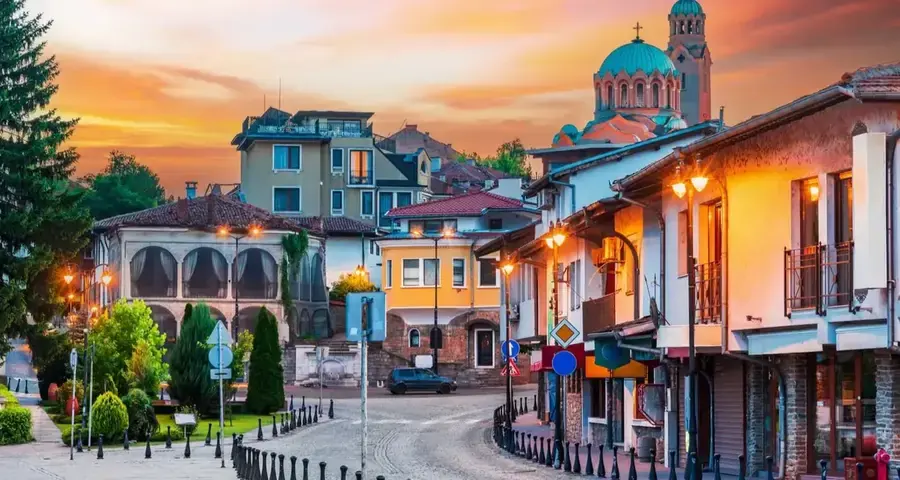
After check-out, drive south to Plovdiv, one of Europe’s oldest continuously inhabited cities, with settlement here stretching back some 8,000 years. Philip II of Macedon gave the city his name, Philippopolis, and under the Romans it became an important city of Thrace, but Plovdiv never became a relic of antiquity — generations continued to build, worship and make their homes here. Set out through the Old Town, climbing cobbled lanes between stone walls and colorful 19th-century houses whose upper stories lean out over the narrow streets.
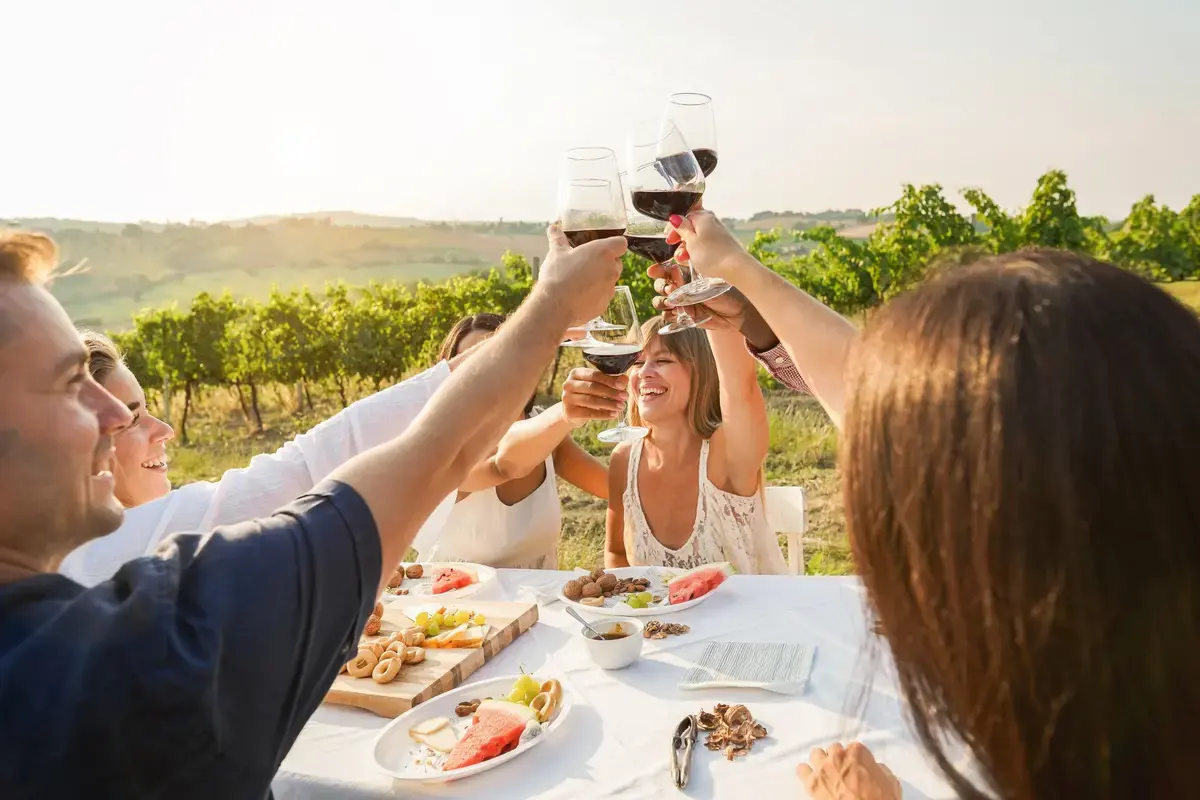
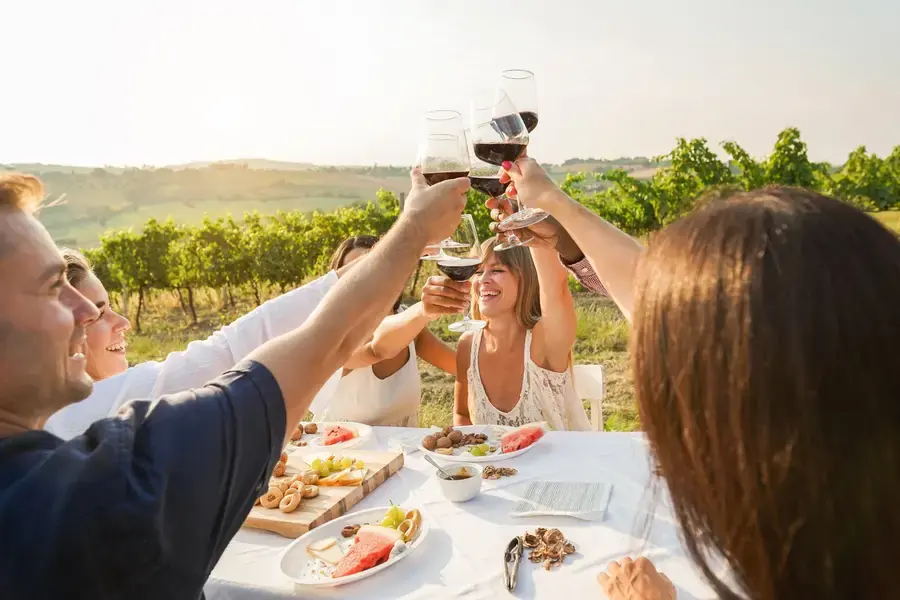
Experience More / Staro Zhelezare Heritage Museum and Thracian Wine Tasting — Bread making, wool spinning and weaving in a 1920s village house, then a tasting of Bulgarian wines at Starosel Winery.
From here, travel back more than two millennia to the world of ancient Thrace. Long before the Roman conquest, the Thracians established powerful kingdoms across much of the Balkans.
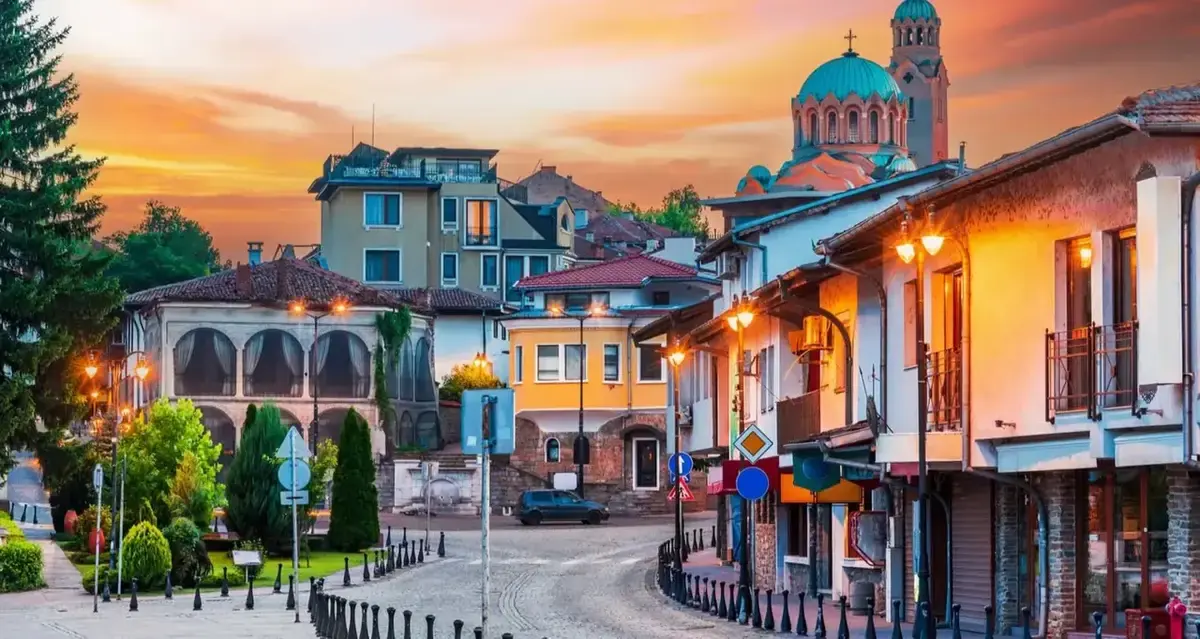
After check-out, drive north into the Rose Valley, where fields of fragrant Damask roses have been cultivated for centuries, to the village of Shipka. On the slopes above it rise the golden onion domes of the Shipka Memorial Church, built in the Russian style and consecrated in 1902 to honor the Russian and Bulgarian soldiers who fell in the Russo-Turkish War of 1877–78, the war that brought Bulgaria its freedom. The road then climbs into the Balkan Mountains to the Shipka Pass and Saint Nicholas Peak, scene of the decisive battles for the pass in 1877.
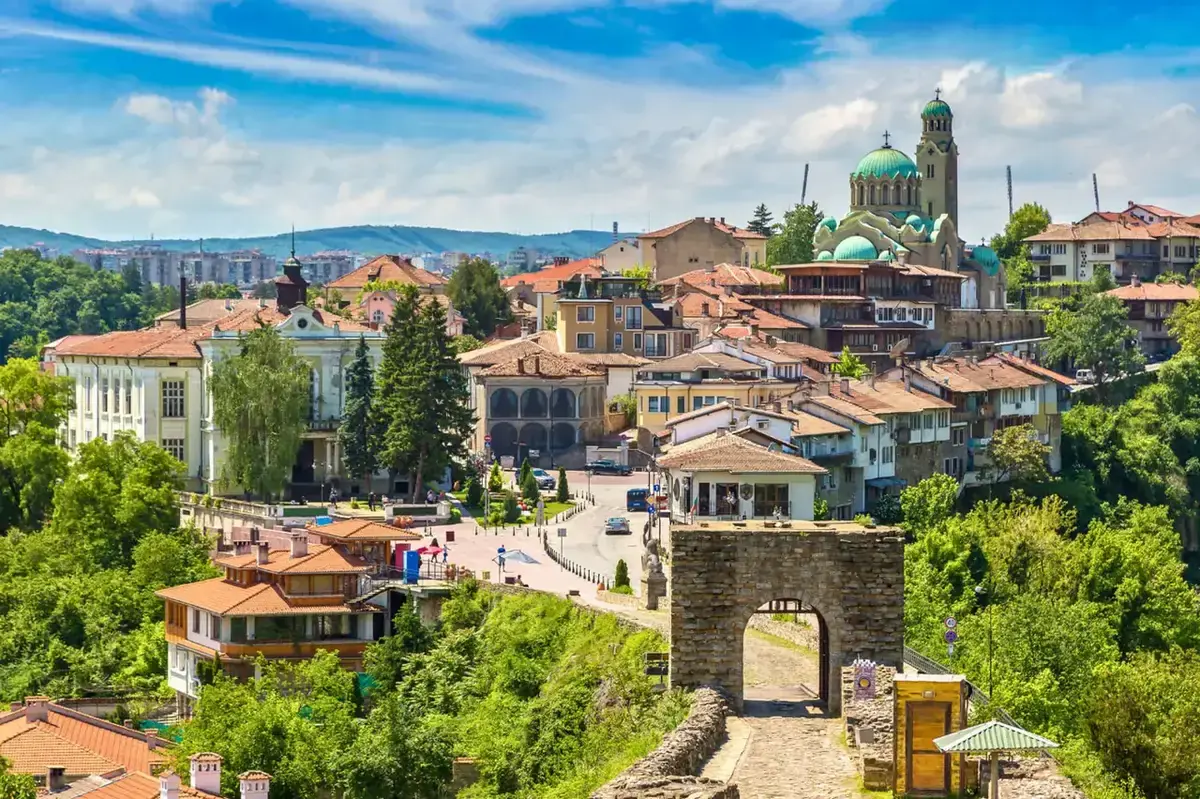
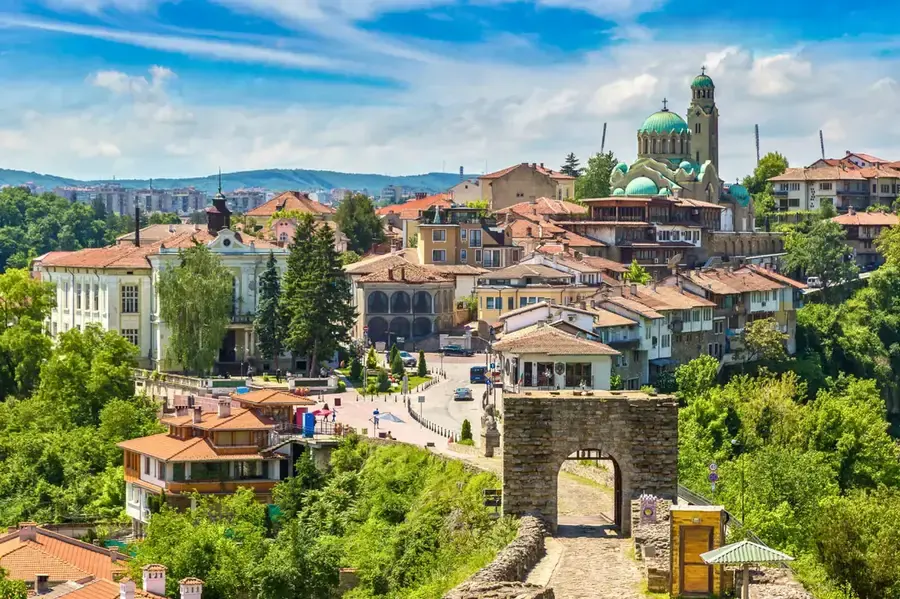
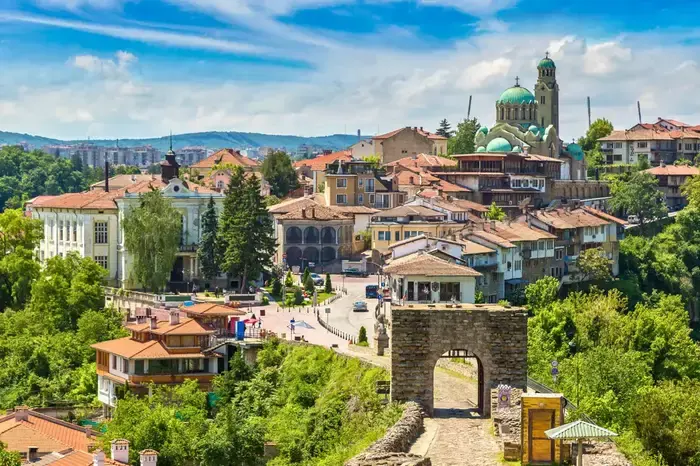
The morning begins high above Veliko Tarnovo at Tsarevets Fortress, its walls cresting a steep hill above the Yantra. For more than two centuries this citadel was the seat of Bulgaria’s tsars and patriarchs, until its fall to the Ottomans in 1393. Continue north to Ruse, an elegant city on the Danube known for its Belle Époque architecture, for lunch before crossing the river into Romania.
Arrive in Bucharest, whose grand boulevards and French-inspired architecture earned it the nickname “Little Paris” in the late 19th and early 20th centuries.
Experience More / Art Nouveau Dinner — An evening in a carefully chosen Bucharest restaurant that keeps the city’s Art Nouveau era alive.
Take in a broader view of Bucharest on a panoramic drive, watching graceful Belle Époque architecture give way to stark Communist landmarks and the modern city beyond. Atop Dealul Mitropoliei stands the Patriarchal Cathedral, the spiritual center of Romanian Orthodoxy, its sanctuary enveloped in gilded frescoes. A private tour of the Palace of the Parliament brings you face to face with the staggering scale of Nicolae Ceaușescu’s ambitions.
End the day at Cotroceni Palace, now the official residence of Romania’s president, whose museum preserves royal apartments, period interiors and fine art collections from the era that preceded Communist rule.
After check-out, the road climbs into the Carpathians toward Sinaia, transformed into a fashionable mountain resort after Romania’s royal family made it their summer residence. Peleș Castle, built between 1873 and 1914 for King Carol I, rises against the forested slopes in a flourish of turrets and carved timber. Cross the mountains into Transylvania, reaching Brașov by afternoon. Founded by Saxon settlers, the city grew wealthy as a trading center between Central Europe and the Ottoman world, and its red-tiled roofs still gather beneath the surrounding peaks.
Set out for Bran Castle, its towers rising from a rocky outcrop above a strategic pass between Transylvania and Wallachia. Inseparable in popular imagination from Dracula, the castle owes far more to Queen Marie of Romania, who received it as a gift in 1920 and turned the former border fortress into a welcoming royal retreat.
Experience More / Romanian Egg Decorating — A local artisan shows you her wax-and-color technique, then invites you to her table for a home-cooked lunch.
Return to Brașov, with the rest of the afternoon free to wander the old streets or settle into a café beneath the mountains.
After check-out, head northeast across the Eastern Carpathians, following roads that wind through wide open countryside and a string of small villages. Break the journey with lunch in Piatra Neamț, an attractive town set in a bowl of wooded hills. In the afternoon, arrive at Agapia Monastery, among the largest convents in Romania and still home to a lively community of Orthodox nuns. Its whitewashed church stands in grounds full of flowers, and inside, the walls are painted by Nicolae Grigorescu.
Experience More / Weaving with the Nuns of Agapia — The nuns introduce you to traditional weaving, thread by thread on the loom.
Continue to Gura Humorului, a small town at the threshold of Bucovina’s painted churches and your base for the next two nights.
Few places in Europe look quite like the painted churches of Bucovina. Most were built in the 15th and 16th centuries, and their outer walls are covered from the eaves down in religious frescoes, so that each church becomes one vast illustrated story. Eight of these churches are on the UNESCO World Heritage List, and today you visit two of the monasteries that hold them, Sucevița and Moldovița. The family likeness between them is deliberate.
Experience More / A Bucovina Village Welcome — Bread and salt at the door, sheepskin coats made by hand, the village blacksmith at his forge, and a home-hosted meal.
*Total driving time today is approximately 2 hours 15 minutes.
After check-out, leave Bucovina and travel back across the Carpathians into Transylvania, to Sighișoara, one of the best-preserved inhabited medieval citadels in Europe and a UNESCO World Heritage Site. Founded by Saxon craftsmen and merchants, its hilltop old town is still ringed by walls and towers, each once kept by one of the town’s guilds. Check in to your hotel and enjoy the evening in the citadel, when the day visitors have gone and its cobbled lanes grow quiet.
After check-out, head southwest through the rolling Saxon countryside of Transylvania, where villages gather around fortified churches that once sheltered entire communities. First stop is Biertan, one of Transylvania’s most remarkable fortified villages and for three centuries the seat of the Saxon Lutheran bishops. Visit the impressive Biertan Fortified Church, a UNESCO World Heritage Site, surrounded by its massive defensive walls and towers.
Experience More / Lunch in a Saxon Village — A farm-to-table lunch inside the fortified church walls of Alma Vii.
Continue to Sibiu, which grew from a Saxon settlement into one of Transylvania’s most important medieval cities.
After breakfast and hotel check-out, transfer to Sibiu Airport in time for your flight home or onward. End of services.
Just you and your people
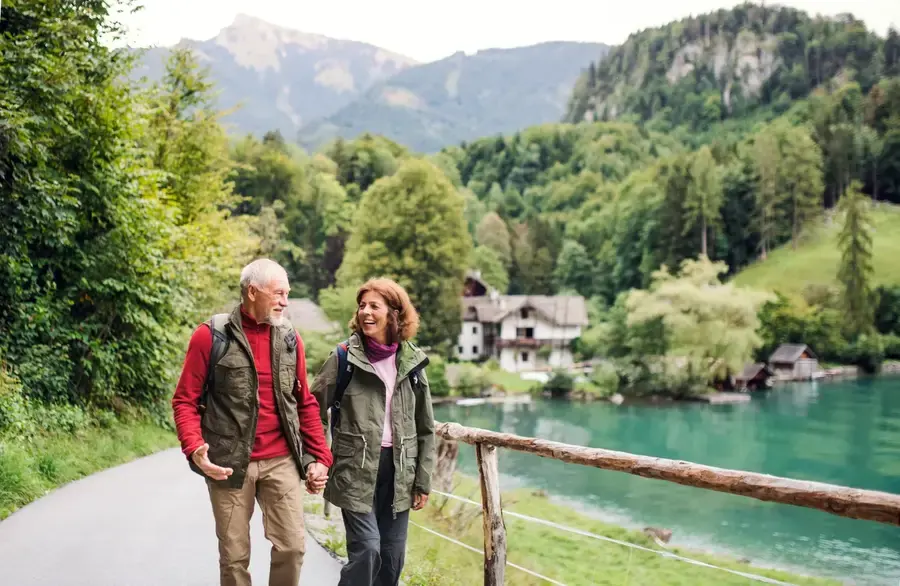
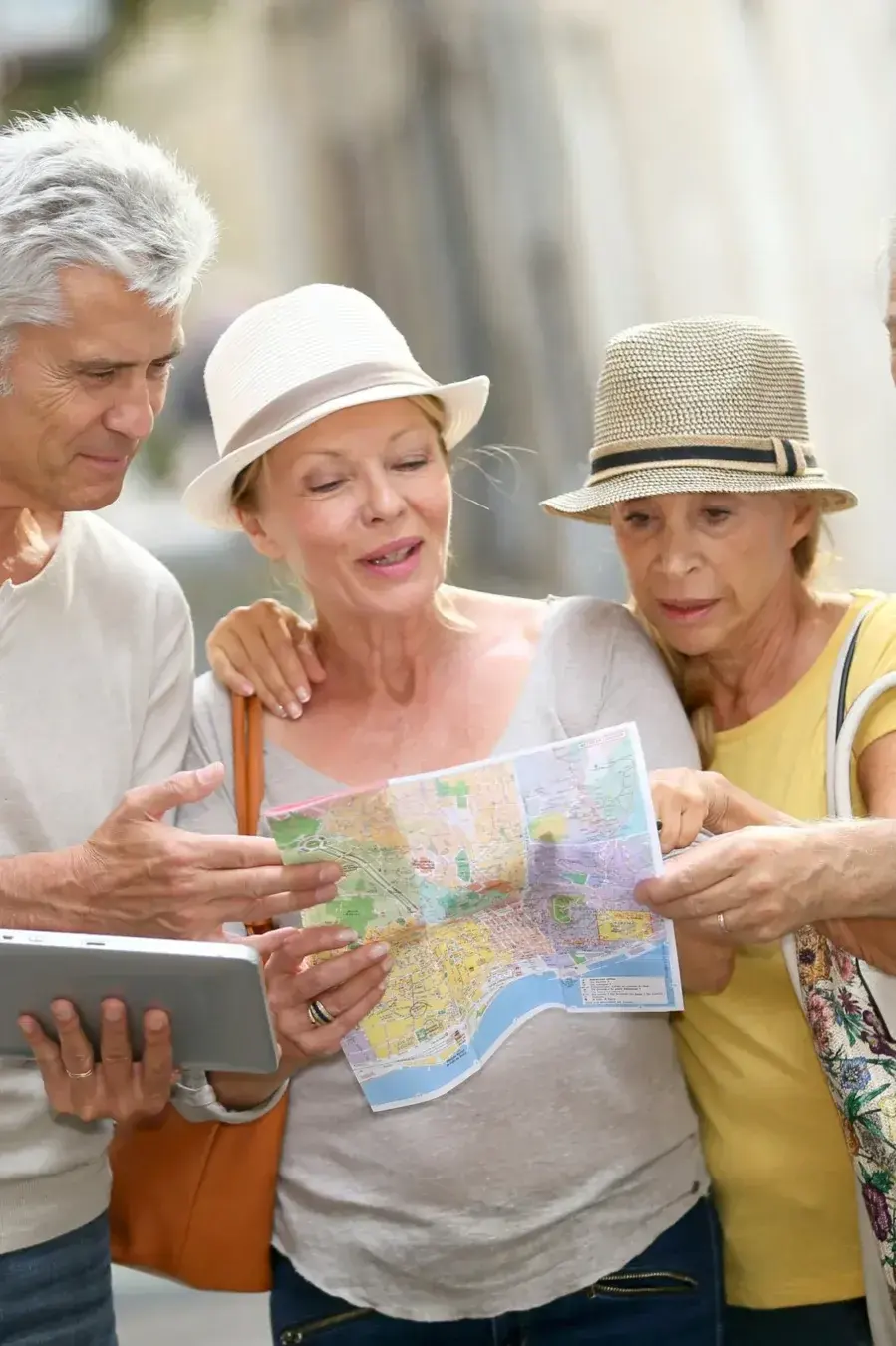
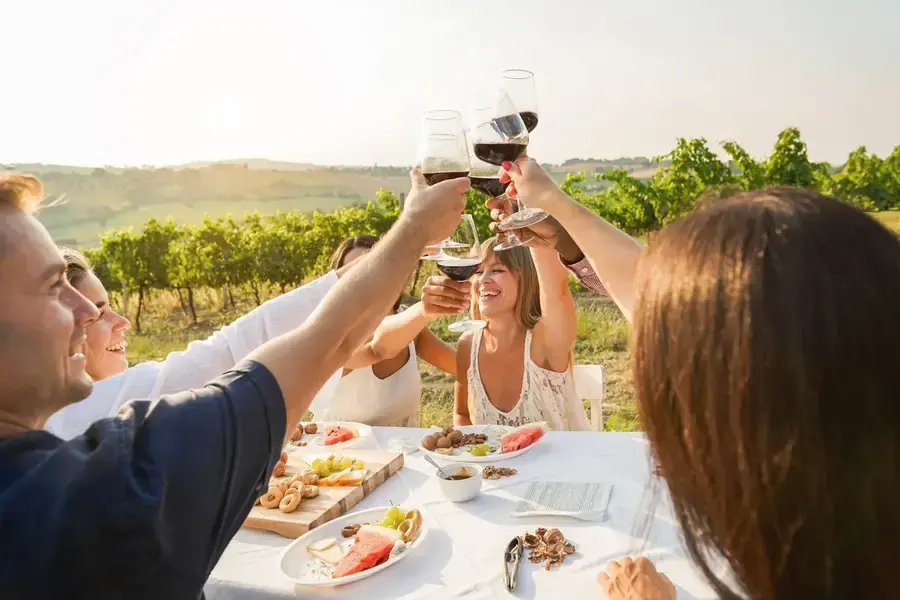
This route works for one traveler or a small group of friends. Most guests who take it privately are couples, families and friends celebrating something.
Included in this idea
Your own tour leader, driver and vehicle, with these included:
Your own tour leader
English-speaking, with you from Sofia to Sibiu.
Private vehicle and driver
Sized for your group, with airport transfers in Sofia and Sibiu.
13 nights in named hotels
4* and 5* hotels, listed by name below.
8 Experience More moments
From a Communist-era flat in Sofia to a home-hosted meal in Bucovina.
16 entrances
Peleș, Bran, the painted monasteries, Tsarevets and more.
Meals
13 breakfasts, 3 lunches, 2 dinners and a home-hosted meal, plus tastings.
Not included: International airfare · visa fees, where applicable · travel, medical and cancellation insurance · meals not listed · drinks with meals, unless stated · optional activities in free time · gratuities for your guide and driver · personal expenses.
Where you'll stay
8 destinations, centrally located 4* and 5* hotels, named before you book.
Hyatt Regency 5*
or similar: InterContinental Sofia 5*
The Emporium Plovdiv – MGallery 5*
or similar: Vizualiza Residence 5*
Bridges Residence 4*
or similar: Bey House Royal 5*
Grand Hotel Bucharest 5*
or similar: Grand Hotel Continental 5*
Radisson Blu Aurum 5*
or similar: Schuster Boarding House
Hotel Dukat 4*
or similar: Best Western Bucovina-Club de Munte 4*
Heritage Boutique Hotel 4*
or similar: Fronius Residence 5*
Hotel Art 4*
or similar: Magister SEVEN 4*
Final hotels are confirmed when you book. If a suggested hotel is unavailable, we confirm an alternative of equal or higher category in writing.
Good to know
One easy border
From Bulgaria into Romania over the Danube bridge at Ruse on Day 6. Both countries are in the Schengen Area, so there are normally no passport checks; carry your passport throughout.
Currency
Bulgaria uses the euro, since January 2026; Romania uses the Romanian leu.
Longer days on the road
Day 5 (about 4 hours), Day 10 (about 6.5 hours) and Day 12, each broken up by sightseeing, photo stops and meals.
Churches and monasteries
Shoulders and knees should be covered.
Our ideas to make it yours
This route is a starting point. These are the changes we recommend most often:
Bulgaria only
Sofia, Plovdiv and Veliko Tarnovo, a shorter journey through Bulgaria alone.
Romania only
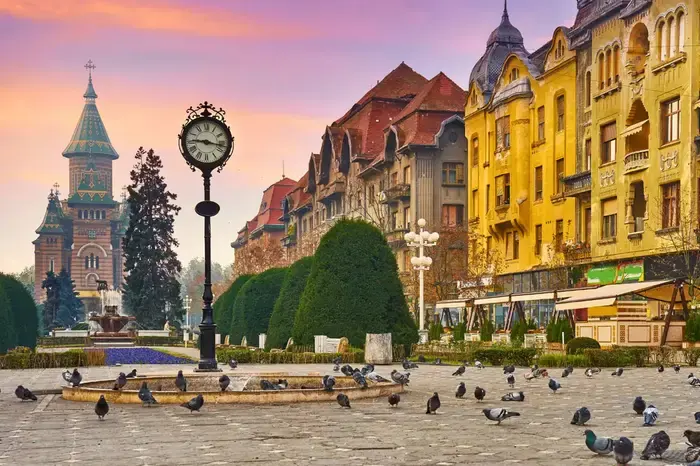
From Bucharest through Transylvania and Bucovina to Sibiu.
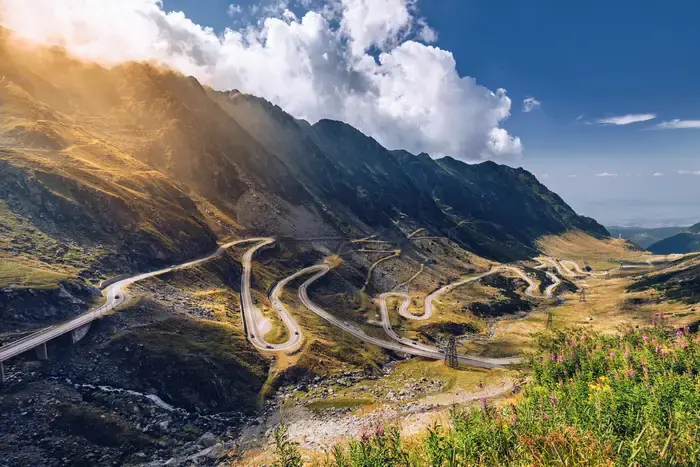
The other direction
Start in Sibiu and end in Sofia, on the same route in reverse.
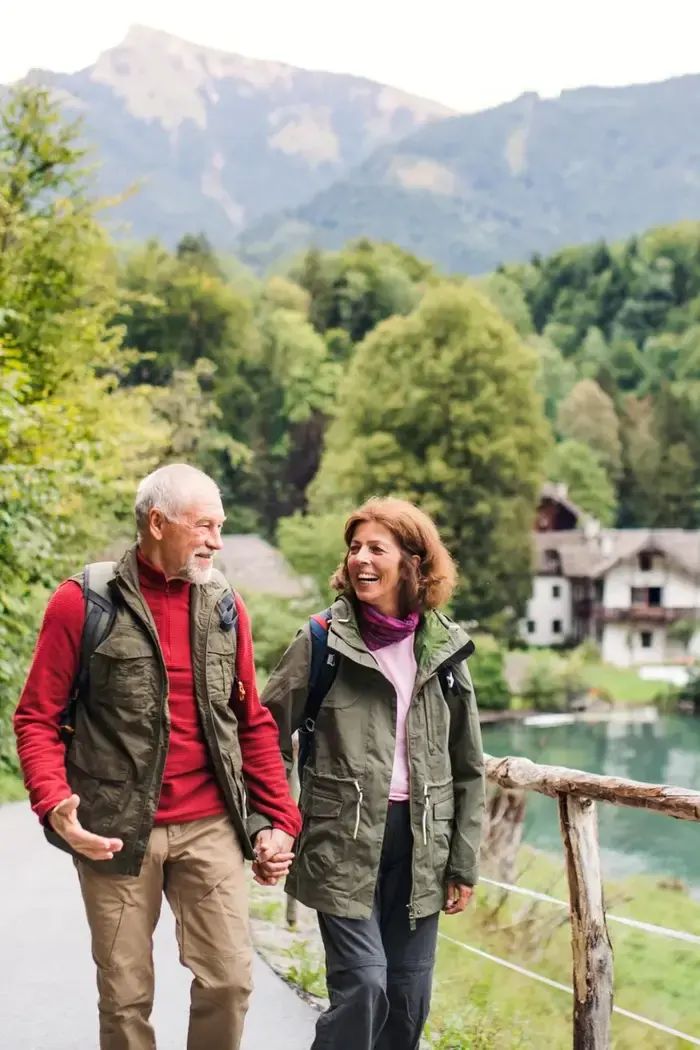
More nights
Add nights in Brașov or Sibiu, along the way or at the end of the journey.
What our travelers say
★★★★★ 4.8 / 5 · 300+ reviews from real guests
“My guide, Dejan, was fabulous! He has a wealth of knowledge about everywhere that we went. I felt totally comfortable being with just one person for 10 days […] I felt like I was with an old friend.”
Romania and Bulgaria
“From my very first inquiry, their team was exceptionally responsive, so it was no surprise that the trip itself exceeded all expectations. […] Each hotel was fantastic and perfectly situated.”
Romania and Bulgaria
“This was a comprehensive tour of Serbia, Romania, and Bulgaria arranged very efficiently by Balkan&more, especially Ivona. All the arrangements went through smoothly […] We enjoyed every moment!”
Romania and Bulgaria
Questions about private journeys
How much does this journey cost?
Every private journey is priced for your dates, group and hotels. We share an approximate budget at the start, and a precise price once your plan is final.
Is there a minimum number of travelers?
No. Private journeys run for one traveler or more, usually couples and families, sometimes groups of friends of up to about twelve.
How far ahead should we start planning?
Most guests book six to twelve months ahead. Three months can work, especially outside the summer season.
Do you book international flights?
No. We can suggest the best airports and connections, but we recommend that you buy your tickets yourself, online or through a travel agent at home.

Like this idea?
Tell Ivona what to keep and what to change. She will reply personally with a first proposal and an approximate budget.
Ivona Milosavljević, Head of Balkan Tours Department
or call +381 65 334 4051 (also WhatsApp)